.png "Return Home")
2026 Candidate Questionnaire

About the survey: LCC’s advocacy team reached out to candidates for seats within Chittenden County with an online questionnaire. Candidates who did not complete the questionnaire are listed here for the purposes of showing all participants in the contests. Their responses are shared here with minimal editing only in instances where it was necessary for clarity. This page will be updated as some candidates participate late and to include material such as other surveys and questionnaires, forums, and other outside resources.
If you have questions, comments, or concerns, please email advocacy@vermont.org.
Senate
Chittenden Central (3 seats)
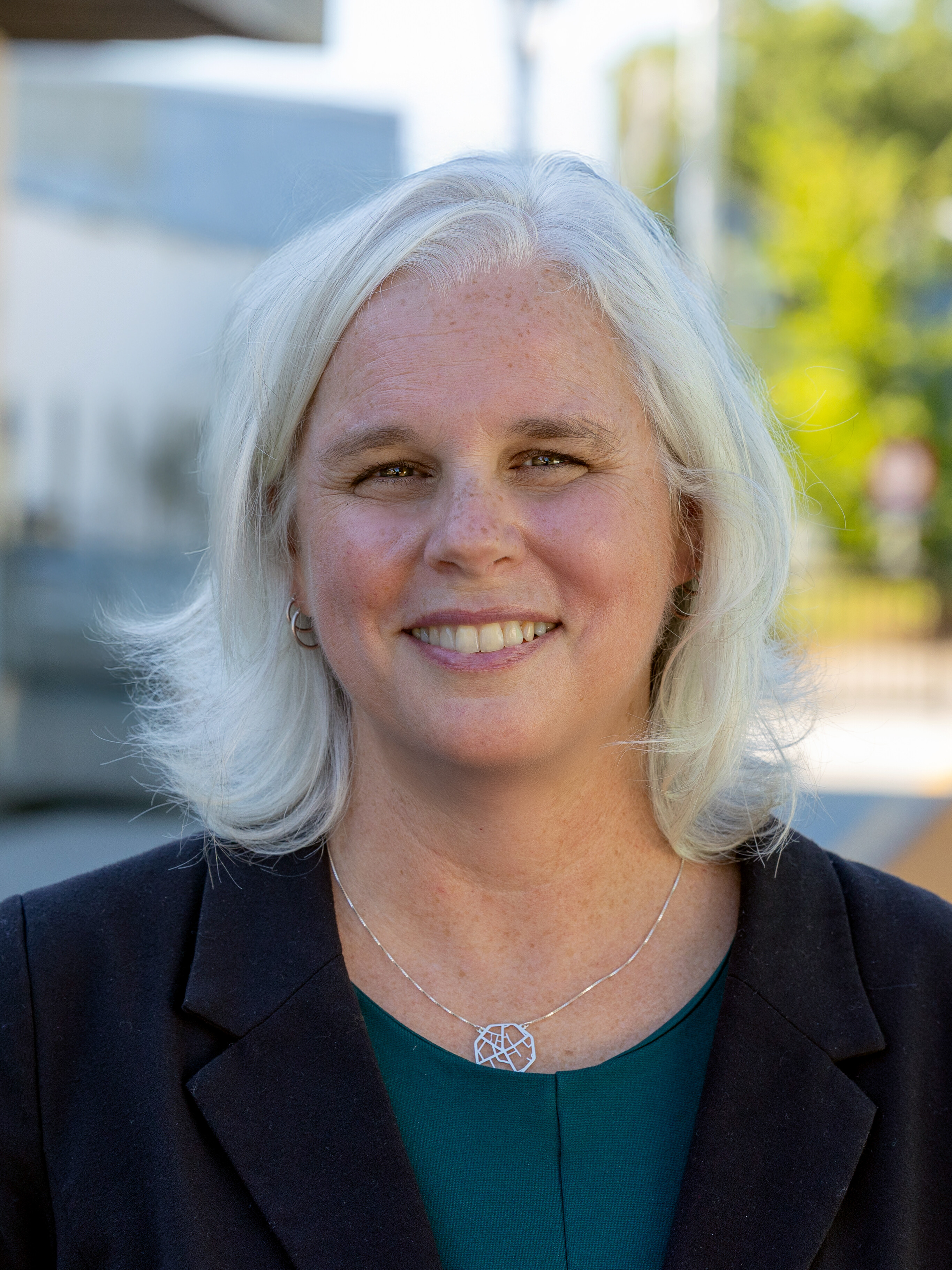
Elaine Haney
Chittenden Central
I've spent over 20 years in public service. I just finished my 12th year as an elected official in Essex Junction and Essex Town, serving as a City Councilor, Chair of the Essex Selectboard, and Village Trustee. I helped guide the multi-year governance process that created Vermont's newest city. I'm a former small business owner: I ran an independent bookstore, employed 13 people, but ultimately had to close and lay off my staff due to corporate competition. This experience shapes how I think about every economic policy decision. I worked at the Vermont Agency of Commerce and Community Development on economic development and tourism programs, including pandemic-era rapid response support that delivered millions in federal grants to struggling Vermont businesses. I served as Executive Director of Emerge Vermont, recruiting and training Democratic women statewide to run for office and win. I serve on the Democratic National Committee, representing Vermont nationally, and have served on boards including the Chittenden County Regional Planning Commission and CCTV/Town Meeting Television. I’m a mom of three adult children and I live in Essex Junction with my husband Jeb and our dog Martha.
I'm running for the Vermont Senate now because, after more than a decade serving my community in local government, I'm ready to bring my skills, knowledge, and deep commitment to the people of our district to the Statehouse. I've spent years at the table in many different roles, working on budgeting, municipal governance, road rebuilding, local planning, and making sure neighbors have the support they need. As a local official, I've always understood that every decision I make spends my neighbors' money and affects people differently. That kind of practicality, pragmatism, and respect for real-world costs is something the Statehouse needs more of. I want to bring that grounded perspective — what it actually takes for local governments and families to make things work — to the statewide conversation. I'm running now because I'm ready to take everything I've learned locally and put it to work for the entire district. I'm deeply invested in the success of our communities, and I've built strong relationships with leaders and residents across the region. I'm committed to the long game of solving hard problems together, rolling up my sleeves, and making sure Vermonters’ voices are truly heard.
Because I've been one of them, and I know what it costs. I owned a small independent bookstore. I employed 13 people. I faced down corporate competition, struggled when the economy turned, and ultimately closed my doors, laid off my staff, and filed for bankruptcy. I know the rewarding feeling of building a company and the weight of losing it. When a business owner tells me a policy will hurt them, I don't need that translated. I also know the other side of the relationship. At the Vermont Agency of Commerce and Community Development, I worked on economic development and tourism. During the pandemic, I was part of the team that provided rapid response support to small businesses and helped stand up the grant program that delivered millions of federal dollars to Vermont businesses fighting to survive. I've seen what the state can do when it treats businesses as partners — and how it fails when it doesn't. Small businesses are the backbone of our economy: 97% of Vermont’s businesses employ fewer than 20 employees. Nearly 65,000 Vermonters are sole proprietors — artists, farmers, mechanics, shop owners, designers — making up 25% of our workforce. Vermont is also one of the best states in the country for women entrepreneurs. All of this is worth protecting and building on. My platform benefits employers directly and concretely. Housing is a workforce issue: businesses cannot fill jobs in communities where workers cannot afford to live, and I will fight to expand housing supply and cut the costs and delays that stall construction. Education funding reform is a tax issue: employers pay property taxes too, and the current system is unpredictable and unsustainable. Healthcare costs are crushing employers and employees alike, and I will work to bring them down. Childcare access keeps parents in our workforce; every childcare slot we add is an investment in working Vermonters. Bolstering public safety and mental health services results in viable downtown businesses and occupied storefronts. And predictable, reliable state systems — permitting, infrastructure, regulation — are what help businesses plan, invest, and grow. I will be a senator who understands that there are hidden costs behind every regulation, and who asks the questions someone who has made payroll asks: What does this actually cost? Is there a simpler way? I will treat Vermont's employers as what they are: neighbors, community leaders, and the people betting everything on this state.
Vermont has real strengths: an extraordinary brand, loyal tourists and local customers, strong communities, and people who genuinely want local businesses to succeed. We are also one of the top states in the nation for women entrepreneurs. But Vermont makes opening and operating a business harder than it needs to be, and I say that as someone who has run a business here and worked inside the state agency tasked with supporting them. The problem is multifaceted: Vermont's job market isn't strong or diverse enough to compete with other states. Employers can't find the workers they need, workers can't find the housing they need, and too many of our young people leave to build careers elsewhere. Until we solve the workforce equation, every other business climate conversation is secondary. We need to grow the workforce we already have. I spent almost 9 years working for the Vermont State Colleges system, and I saw firsthand what a jewel it is. Vermont must further invest in CCV and the state colleges, our technical centers, apprenticeships, and workforce programs tied directly to the jobs Vermont needs now and in the future: healthcare, the trades, childcare, advanced manufacturing. A young Vermonter should be able to see a clear, affordable path from a Vermont classroom to a Vermont career. Every workforce dollar we invest is also a retention strategy. Other barriers for business owners include: Housing: The single biggest constraint on Vermont's economy. Employers in every sector tell the same story: they can find customers but not workers, because workers can't find homes. Rising costs on all fronts: The accumulation of costs from duplicative reviews, compliance, rising property taxes, and healthcare premiums erode business profit margins. The Legislature has to account for cumulative burden, not evaluate each new policy in isolation. Lack of predictability and increased regulation: Businesses can’t plan for rules and regulations that are constantly changing and adding expense to their bottom line. The state owes employers stable, predictable, manageable systems.
Education funding reform. Every employer in Vermont pays property taxes, either on their own buildings or through rent, and right now, nobody can predict them. The funding formula is so complex that local budget votes barely connect to what shows up on tax bills. When a business can't forecast one of its largest fixed costs, it can't plan, hire, or expand with confidence. The same unpredictability hits employees; workers being priced out of their homes is a retention problem for every employer in the state. This is the cost businesses raise with me unprompted, again and again. Transforming the education funding formula is the single most direct thing the Legislature can do to improve Vermont's business climate. We can deliver quality education for our kids at a cost that doesn't drive out the people paying for it.
The strong reactions to Act 181 and the Clean Heat Standard taught the same lesson: Vermonters will not accept policy — even policy with goals they share — when they can't see what it will cost them and don't trust the process that produced it. Vermonters generally support environmental conservation, climate action, and smart housing growth. The backlash to Act 181 and the Clean Heat Standard wasn't necessarily a rejection of those values, it was a rejection of how the policies were built and a lack of transparency and community input. When people are already struggling to stay in Vermont, any policy perceived as adding cost or unnecessary burdens — to heating, to housing, to land — will face fierce resistance, regardless of merit. Legislators must lead with an affordability lens with everything they work on, not treat it as an afterthought. With the Clean Heat Standard, the Legislature moved forward without being able to tell Vermonters clearly what it would cost them. If you can't justify (or even explain) the price tag clearly, thoughtfully, and equitably, the bill definitely isn't ready. When Act 181 was designed without rural landowners in the room, rural Vermont showed up to tell the Legislature that Tier 3 and the “road rule” would make it harder, slower, and more expensive to stay on and build on their land. The burden of Act 181 landed disproportionately (and predictably) on the people with the least margin to absorb it, and they spoke up. I spent 12 years in local government, where you can't hide from your neighbors down the street. This level of accountability should be the model for state policymaking too: be honest about costs, listen before you legislate, and quickly fix what doesn’t land well.
The question isn't only how we care for an aging Vermont, it’s also why Vermont isn't retaining and attracting the younger people who would balance us out. For aging Vermonters, I will work to strengthen healthcare access closer to home, especially for rural Vermonters. No one should have to drive an hour to access routine care; protecting and expanding our rural healthcare infrastructure is important to me. We also have to expand housing options for aging Vermonters to downsize. Many older Vermonters would happily move from their larger home to something smaller, freeing family-sized homes for young families. But smaller options are limited. Building “the missing middle” housing will better serve our older and younger generations’ housing needs.
As someone who worked on tourism and economic development programs at the Agency of Commerce and Community Development, I'll start with an honest premise: Vermont does not have a marketing problem. People already love the idea of Vermont. We have one of the strongest place brands in America. Our problem is that when people fall in love with Vermont and try to move here, they can't find a house, and they get sticker shock on property taxes and healthcare premiums. That said, we can focus on: Telling the small business story better: Vermont's brand is built by its artisans, tradespeople, and craftspeople — our breweries, farms, bookstores, and markets. We need to leverage that more. Support innovation and entrepreneurship: Let’s expand support for incubators and innovation centers like VCET and the Rural Innovation Center; help students and researchers at UVM, Middlebury, and elsewhere turn ideas into companies; and reestablish the Office of the Creative Economy to support our growing creative sector, which was hit hard during the pandemic. Fix the landing experience: When someone decides to move or invest here, the experience should be navigable: housing they can find, childcare they can access, and healthcare they can afford. Word of mouth from people who successfully moved here is worth more than any ad campaign (and this is coming from the person charged with implementing the “move to Vermont and get $10,000” program). However, word of mouth from people who gave up can be devastating.
I'm glad the question acknowledges progress, because the progress is real but fragile. The legislative task now is to sustain and extend it. Safe communities are built on trust, prevention, and accountability. No single agency delivers that. It comes from local police, courts, social services, treatment programs, and housing providers working as one system. In Chittenden County, where our downtowns are the economic and civic heart of the region, that collaboration is everything, and it's also where many of our small businesses live or die. Every storefront owner deciding whether to renew a lease is making a judgment about whether their downtown works. Here's what I believe the Legislature should do: Fund the full system, not just one piece: Public safety debates too often pit policing against services. Downtowns need adequately staffed, well-trained law enforcement, robust mental health and substance use treatment, AND supportive housing. Underfunding any leg of that stool destabilizes the others. Fix the accountability gap. Vermonters need to see that consequences exist: that repeat offenses are addressed, that court backlogs are cleared, and that the system responds. I support investments in court capacity and in alternatives like treatment courts that pair accountability with the services that actually change outcomes. Address the housing connection: Homelessness and public safety are intertwined. Emergency response is the most expensive and least effective intervention. Permanent supportive housing — like the recovery-supportive model at Susan's Place in Essex Junction, where Champlain Housing Trust and the Turning Point Center opened a satellite recovery center this spring — is what genuine progress looks like. Strengthen mental health services in downtowns specifically. Much of what residents and business owners experience as public disorder is untreated mental illness and addiction in public spaces. Further investing in and embedding crisis response and street outreach capacity in our downtown cores — and funding it sustainably rather than through patchwork grants — addresses the problem where it lives.
I'm open to association health plans as a tool for addressing the healthcare cost crisis, as Vermont’s small employers are being priced out of offering coverage at all. Any structure that lets small businesses pool together for better rates deserves serious consideration. If I were to support this, association healthcare plans must provide genuine, comprehensive coverage and they must not destabilize the broader insurance market by pulling healthier groups out of community-rated pools, which would raise costs for everyone else. If association plans can be structured to expand affordable coverage without those harms, I'll prioritize conversations with the business community to see how to make progress on this front.
The honest answer in 2026: Vermont's regulatory framework has improved significantly and the work now is implementation, course correction, and pairing smarter rules with the financing tools that actually unlock construction. Act 181’s Tier 1A and 1B exemptions are now in effect, encouraging housing where we want it: in walkable town and village areas near transportation and jobs. Housing in designated downtowns and growth areas is now largely exempt from Act 250 review, and the increase in the rural review threshold should enable smaller towns to more affordably and quickly add more housing stock. As I stated above, I do not support Act 181’s Tier 3 and the “road rule” as they inevitably would have made it harder, slower, and more expensive for rural Vermonters to build. So what should be done now? Further support, fund, and streamline CHIP: The Community and Housing Infrastructure Program launched this February enables communities to fund the roads, water, and sewer that unlock housing without raising local property taxes. It’s a much-needed alternative to TIF, which is unreachable by most Vermont towns. But small towns do not have the capacity to handle large administrative burdens, and CHIP's layered hearings, bond votes, and compliance requirements could risk putting it out of reach for the communities that need it most. The Legislature must ensure that this program does not exclude the very communities it was designed to help. Protect and expand VHIP: The Vermont Housing Improvement Program provides up to $50,000 per unit to rehab code-deficient rentals, convert non-residential buildings, build ADUs, and construct small rental buildings, bringing units online for far less than the cost of for new construction and bringing blighted buildings back into the market. It's the cheapest, fastest housing money in Vermont and it deserves stable, ongoing funding.
Vermonters are paying among the highest per-pupil costs in the country, and property taxes have risen by 40% in the last 5 years, far beyond what the majority of Vermonters can sustain. We must come together on a system that delivers high-quality education for our kids at a sustainable cost — but that requires structural change and thoughtful discussion and implementation of the foundation formula, not another round of short-term property tax buydowns from the General Fund. On cost: Transform the foundation formula: The current system is so complex that almost no one, including legislators, can explain how a local budget vote translates to a tax bill. When voters approve a level budget and their taxes jump anyway, trust collapses. A system Vermonters can't understand is a system they can't trust, and a system they can't trust will struggle to survive. Encourage regional approaches: Vermont's declining student population is spread across a governance structure built for a bigger era. Regional collaborations like shared services, shared administration, and shared specialized programs may reduce overhead without defaulting to mergers or school closures. It remains to be seen however, whether current proposals will yield the predicted savings or reduce administrative overhead. We have to be more honest about the cost drivers: Healthcare costs for school district employees are among the largest and fastest growing parts of school budgets. We cannot fix education spending without addressing healthcare costs: these issues are connected, and I'll treat them that way.
Yes, I would participate as long as my schedule allows. I've spent my career at the intersection of local government and Vermont’s economy — as a small business owner, as an economic development professional at the Agency of Commerce and Community Development, and as a public official in Essex and Essex Junction making budget and infrastructure decisions that shaped my community's economic life. A caucus focused on Vermont's economy is exactly where that experience could fit. Where the caucus works to advance housing production in Vermont’s downtowns and village centers, along with proposing workforce development and small business initiatives, I'll be an energetic partner. If I think a proposal may unintentionally shift costs onto working Vermonters, I'll say so directly and work toward something better. In my experience, that candor is what makes collaboration even more effective.
Nikhil Goyal
Chittenden Central
As a sociology professor, policymaker, organizer, and author, I’ve spent my career fighting for children and families. I’ve taught sociology to students at the University of Vermont, Wesleyan University, and New York University. Drawing on nearly a decade of ethnographic fieldwork and research, I wrote a book about child poverty and incarceration in the poorest neighborhood of Philadelphia, which was named A Best Book of 2023 by The New Yorker. I was lauded by the New York Times for my "command of the history of federal, state and local education laws and social programs." I have also written for the New York Times, Washington Post, Wall Street Journal, and other publications. From 2021 to 2023, I worked as a senior policy advisor on education and children for Senator Bernie Sanders on the U.S. Senate Committee on the Budget and Committee on Health, Education, Labor, and Pensions. In 2024, I was elected to represent Vermont as a national delegate to the Democratic National Convention for Kamala Harris. My next book, an examination of the American juvenile justice system, will be published by Harvard University Press in 2027. I did my BA at Goddard College and MPhil and PhD at the University of Cambridge. In the Vermont State Senate, I’ll fight for an ambitious agenda that will make life more affordable for our communities: keeping dollars in public schools, establishing universal primary care, building affordable housing and creating a statewide land bank to rehabilitate distressed and foreclosed housing, investing in clean energy and weatherization programs, banning social media and AI chatbots for children under the age of 16, imposing the nation’s strongest regulations on AI data centers, banning corporate spending in local and state elections, and other issues.
My Indian parents decided to pick up everything and travel thousands of miles across oceans and continents to make a life in this country and pursue the American Dream. They lived in a one-bedroom apartment in New York City and moved out to Long Island, where my sister and I grew up and graduated from public schools. My story is only possible because of the sacrifices of my parents and the collective sacrifices made by the civil rights movement that helped end the racist immigration restrictions, enabling my parents to become Americans. From marching for voting rights with John Lewis in Selma, Alabama to teaching students in prison to advancing economic dignity and security for Vermonters at the U.S. Senate, I have made it my life’s mission to use my power and voice to repair the injustices of a society that gives dignity to the few and crumbs to the many – and that is what leads me to run for State Senate. Young people cannot afford to stay in Vermont. Families are scraping by. Our elders are struggling to retire with dignity. Our state had the sharpest decline in population per capita than any other state in the country. And on top of that, the Trump administration is dismantling our civil rights and terrorizing and kidnapping our neighbors on our streets. We cannot go on living like this. I’m fighting to win a future where no Vermonter is priced.
Small businesses are the lifeblood of our economy. Many are struggling to make ends meet amid rising health care costs, draconian Trump tariffs, and growing public safety issues. My universal primary care proposal will help reduce costs for employers. I also support strengthening procurement policies to support local economies and making it easier for entrepreneurs to get capital to start businesses. I am a strong critic of Amazon and other corporations that suppress competition and undermine small businesses and entrepreneurs. Finally, we need to build and rehabilitate tens of thousands of units of housing to attract and retain workers and grow our economy.
Please see my answer to #3.
The cost of health care is crushing our families and small businesses. In 2024, Vermonters spent an estimated $10 billion on health care, up from $6 billion just a few years ago. We are paying the highest health care premiums in the entire country and forking over a fifth of our income on health care alone. I’ll fight to establish publicly-financed, universal primary care. By removing the unnecessary and costly insurance middleman, this program will cut the cost of health care, reduce the risk of diseases and disabilities, improve health outcomes, and save lives. This policy will save our employers huge sums of money that could be directed in more productive ways.
Policymakers should consult Vermonters from rural to urban areas on critical policy issues. I plan to build broad-based coalitions of Vermonters across the state.
Vermont has the lowest birth rate in the country. As Pat Mcdonald wrote, "Vermont's labor force dropped below 350,000 for the first time in 29 months, and the state ranks last nationally for working-age residents (25-44) as a share of its population." We need bold structural change to ensure working people can afford to live and thrive in Vermont. That involves building affordable homes, establishing universal primary care, taking on corporate monopolies to support our small businesses, expanding public transit, including restoring passenger rail between Burlington and Montreal, and repairing economic, trade, and cultural ties between the United States and our Canadian neighbors.
We need legislative action to enacts an affordability agenda. One of the proposals I am running on is restoring passenger rail service between Burlington and Montreal. Vermont has paid the price of President Trump's nonsensical trade war and draconian hostility towards Canada. We desperately need to repair and bolster economic, trade, and cultural ties between Vermonters and our Canadian neighbors.
We deserve to walk down the street without fear of harassment or bodily harm. As a criminal justice expert and prison educator, I have dedicated my career to strengthening public safety and expanding educational and economic opportunities that address the root causes of crime. I taught sociology classes for incarcerated men at a medium-security prison in New York State through New York University’s Prison Education Program. As a staffer of Senator Sanders, I led the development of the Vermont Corrections Post-Secondary Education Initiative, which provides tuition-free community college to incarcerated students and correctional staff in our state prisons and extends the benefit to children and spouses of correctional staff. College-in-prison is one of the most effective programs to reduce recidivism and provide people leaving from prison with the credentials and skills necessary to reintegrate, find a job, and desist from crime. A small minority of people are committing the vast majority of crimes, and many of them are experiencing homelessness, substance abuse, and mental illness. Our small businesses are reeling from exploding rates of retail theft and quality-of-life offenses. I have a smart-on-crime plan to make our communities safer: —The new Chittenden County Community Accountability Court designed to reduce the court backlog and deliver speedy justice is long overdue. —Target interventions and resources at repeat offenders. Some chronic offenders who are repeatedly harming themselves or the safety of the public and refusing treatment, may need to be held in secure confinement. That should be the last resort, because incarceration is expensive and ineffective at deterring crime. —Expand our Raise the Age law to emerging young adults so more youth can get rehabilitative treatment, such as restorative justice, in the juvenile system. One study found that the juvenile system's recidivism rate was nearly half of that of the adult system. We must also finally provide the Department for Children and Families with adequate resources and staffing to carry out this important work. —Implement cognitive behavioral therapy, functional family therapy, and multisystemic therapy—all evidence-based treatment options found to significantly reduce crime and far cheaper than throwing a person in jail or prison. Expanding summer, afterschool, and jobs programs and keeping school buildings open for activities during the evening and weekend hours are also essential. —Establish an overdose prevention center. Once it is set up, people can consume illicit drugs safely under the supervision of trained medical staff and be encouraged to enter treatment programs. If they consume drugs anywhere else in public, they should face swift and sharp consequences. Our children deserve to play in City Hall Park without fear of getting pricked by a needle. —Expand treatment for substance use disorder and long-term psychiatric care. —Enact additional gun-safety measures, such as banning assault-style weapons as well as banning firearms in bars.
I'd like to learn more about this proposal.
Growing rents and mortgages are making life too expensive. I believe that we cannot solve our health care, property tax, and workforce challenges without solving housing affordability. More than half of renters and nearly a quarter of homeowners in Chittenden County are cost burdened. Homelessness has more than doubled in the past few years. Vermont needs to create at least 24,000 new homes to keep up with demand. The simple truth is that we need to build many more homes to control rents, expand homeownership, and make it easier for young people to raise a family and seniors to downsize and retire with dignity. We need both public and market-oriented solutions to the housing crisis. I'll fight to build all types of affordable housing to create dense, transit-oriented, and walkable neighborhoods. I'll fight to establish a land bank for the state that would take over abandoned, distressed, and foreclosed properties—nearly 11,000 across Vermont—and turn them into permanently affordable housing units. I'll defend and support reforms to the Act 250 permit review process to speed up and reduce the costs of housing development while protecting the natural environment and character of Vermont. I'll support more funding for home repair programs that help low- and middle-income homeowners weatherize, modernize, and rehabilitate their homes for energy efficiency.
I support the passage of H.955, which can help control some education spending. Public dollars going to private schools, especially discriminatory religious schools, grew more than 70 percent in the decade following 2008. I'll fight to keep public dollars in public schools. All children deserve a high-quality, equitable, well-funded public education. I'll fight to protect universal, free school meals, make investments in community schools and health and social supports that ensure children’s basic needs are met, and make nature-based, outdoor education a universal experience for our children. I'll also fight to ban social media and AI chatbots for children under the age of sixteen and restrict most education technology in our schools to improve educational engagement and outcomes. The biggest cost driver in our school budgets is health care. I'll fight for universal primary care to control costs. The Legislature has taken some steps to change the property tax classification for second homes. I strongly support taxing second homes more to help reduce homestead property taxes.
Yes, I'd love to.
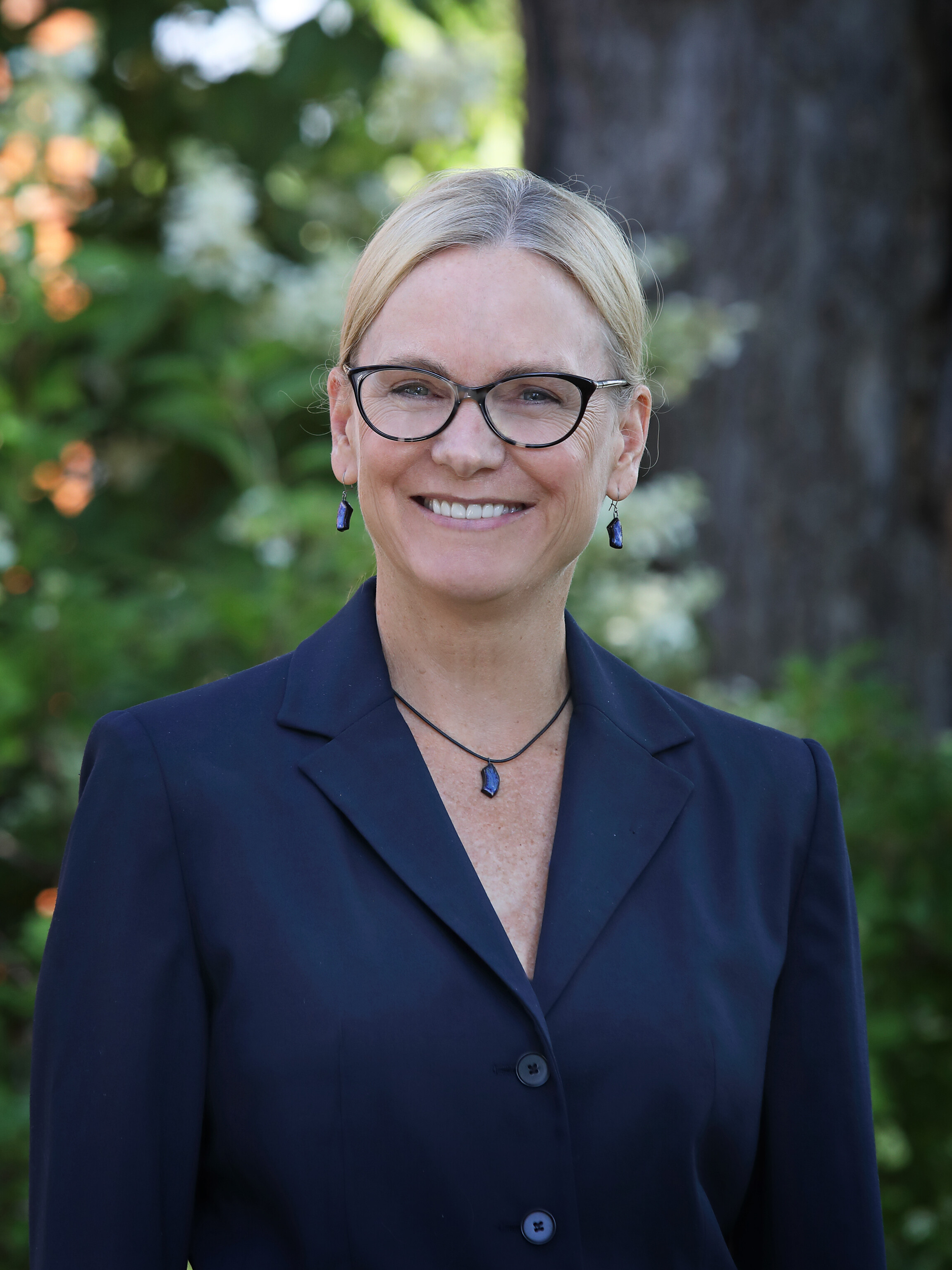
Martine Larocque Gulick
Chittenden Central
My family moved to Vermont in 1972 and settled in South Burlington. My siblings and I attended South Burlington schools and all became first generation college graduates. I have lived in the New North End of Burlington for 30 years with my husband and two children. I used the two degrees I earned at UVM to become a high school teacher, and I also taught for a few years at Champlain College and was a TA at UVM. I served four terms on the Burlington School Board and am currently running for a third term in the Vermont Senate.
I first ran for office when I ran for the Burlington School Board over eight years ago. I ran because I did not like the direction I saw in the district, and I was concerned about the negative impacts of certain reforms. I was also very engaged in fighting for renovation of the former BHS. Now, I am running for a third term to the Vermont Senate to continue to fight for the needs of my constituents, while also working to bolster our local economy.
I have been highly involved in education reform in Vermont. I served on a school construction working group and then chaired the School Construction Task Force. Supporting school construction not only benefits kids, families and communities, but it also supports local business by both employing construction companies and crews and having the knock-on effects of that work force using local retails for goods and services. I also co-chaired the School District Redistricting Task Force last summer. Much of our work has been reflected in H.955, the education reform bill that passed both the House and the Senate. That bill will regionalize services across the state and will encourage school mergers. Ultimately, it will implement a new education finance system called a foundation formula which will bend the cost curve and will make education spending predictable and transparent.
No, because of affordability issues. We have some of the highest healthcare costs in the country, and this is a great burden to small business. I have worked hard as chair of the Senate Health and Welfare Committee to bring down healthcare costs and insurance premium, while making sure we don't lose hospitals and providers. This isn't easy work, but bills like S.190 and S.197 invest in primary care while also lowering hospital prices. Small business in Vermont must be able to afford health insurance, and S.190 has the potential to save Vermonters $40 to $80 million a year.
Healthcare reform and education reform both have the potential to make Vermont more affordable. Healthcare reform can lower insurance premiums and education reform and lower and stabilize property taxes.
Rural Vermont wants to have agency over its land, its energy choices, and wants to have a voice.
We can definitely be enacting policy that benefits older Vermonters, but we have to simultaneously build more homes, support small business and innovation and invest in town centers to attract young people to the State. Companies like Hula are incredibly appealing to young people who can move to the State and immediately find office space and a place to work remotely. Beta is attracting and employing young people, and we need more vibrant, creative companies like these. Bringing young families into our communities benefits small business, schools and adds to our grand lists.
The beauty of Vermont is a huge draw. Unfortunately, there have been some federal policies that have harmed Vermont's economy, such as tariffs. Harmful rhetoric toward Canada and Europe have also meant fewer tourists coming to the State. We have to counterbalance those policies by creating a welcoming environment that attracts folks seeking outdoor activities, the arts and great food. To keep visitors in the State we have to ensure a strong public education system, excellent healthcare, job opportunities and vibrant downtowns. This is the brand we need to create.
We need to invest in housing, shelters and shelter beds and mental health services to ensure that the opioid epidemic and homelessness do not harm folks who need help and allow our communities to flourish. This session I fought for "community safety teams" in the budget, because our downtowns need all the support they can get. I also supported recovery centers and residences, but we need to take a regional approach to tackling addiction and homelessness. It is impossible for individual communities to take on the burden of providing all the necessary services and housing for those in need.
We looked at this issue in the Finance Committee, and ultimately did not support it. It seems like a great idea, but when we looked at what these plans could do to the insurance pool and the market, we became very concerned. I would like to learn more and would like to explore this possibility next session as a way to create affordable insurance plans for small businesses.
Inflation, tariffs and supply chain issues are all increasing the costs of new construction. Again, federal policies are having a very negative impact on our ability to grow. That said, we need to continue to build housing and need to explore creative partnerships, grants and bonding to get the job done. Easing zoning restrictions in town centers is key, but we also need to confront NIMBYism in Vermont. Community members who continually fight development are highly problematic and limit opportunity and change. We need to push back and educate.
Please see my answer above. I've worked tirelessly for education reform, regionalization and right-sizing our system in the face of declining enrollment.
Yes, I would.
Chittenden South East (3 seats)

Elizabeth Hunt
Chittenden South East
Dr. Hunt, 52 year old born and raised in NJ, has served in health care settings since high school when she was a ‘candy striper’ in her local hospital. She explored nursing homes, adult day care, neonatal intensive care unit and became a ‘Big Sister’ in college while studying public health. She served for over two years in the United State Peace Corps in South America and worked in public health before attending medical school. Dr. Hunt has volunteered in Ecuador, South Africa, Panama and Haiti. A fluent Spanish speaker, she has translated for asylum seekers in federal prisons and cared for migrant families through Puentes de Salud. Professional Contributions Dr. Hunt, while raising three boys, worked at UVM Medical Center and Woodside Juvenile Rehabilitation Center and ultimately Timber Lane Pediatrics, where she works until this day. She was fortunate to learn about the ‘business of medicine’ and Vermont-specific health care systems as a physician owner of Primary Care Health Partners for over ten years. Dr. Hunt has served on many local and state committees related to pediatric issues and health care access, delivery and quality here in VT. Community Volunteer and Advocacy A resident of Charlotte, after living in South Burlington for five years, she and her family generally have a lot of fun being active and involved. She has been a speaker in schools, spelling coach, soccer coach, Champlain Valley School District COVID-19 response contributor and town hall speaker, early education panelist and persistent advocate for the importance of investing in children and families. She loves to help the town of Charlotte out on election day and spend time with her neighbors. After the post-COVID youth mental health decline and increase in hopelessness, suicide and overdose, Dr. Hunt founded A Vermont Story, a 501c3 built with youth advocates around our state, to create inspiring media by Vermont youth for Vermont youth. Bright Future Dr. Hunt has decided to step up now in 2026 to make things better for her patients, their families and the Vermont health care system as a whole. She really gets it! Dr. Hunt is running as a Democrat who sees solutions as a team sport regardless of political party. She is a patriotic optimist who wishes to increase efficiency of existing systems, use deep clinical knowledge of medicine to improve health care access and affordability in our state and, finally, follow through on her campaign promise to promote family, freedom and our future.
This journey is a calling for me, similar to when I entered the field of medicine. I tell my patients and families that 'I am here to serve you by being helpful, practical and available' and that is how I wish to now serve the community's common good, as a civil servant. My job allows me to see all walks of life and the spectrum of strengths and needs.
After years working closely with families, schools, and community systems, I see how deeply our economy and local budgets are strained. I was a physician owner of Primary Care Health Partners based in Williston for 10 years and received a business education on the job while practicing medicine. I know the challenges of meeting payroll, managing the administrative parts of a business all while trying to stay focused on driving a business forward. Vermont needs a vibrant and healthy workforce. We need the number of workers to be balanced with the populations that need help like older folks AND the up-and-coming workers—our children. To make this happen, we need 1) spend less on state government, 2) increase workforce opportunities, 3) decrease the cost of health care, and 4) make housing more affordable.
Yes and no. Yes, Vermonters are fiercely loyal to their local favorites - think Darn Tough socks and VT Green Football Club matches. Many VT citizens care about the environmental impact of buying from Amazon on the regular and so seek out local commerce. We also have some real champions of high quality 'products', e.g. Lake Champlain Chocolates and PCC, a pediatric electronic health record, which in my business is the cream de la creme. No, in that our workforce is lacking enough people, qualified people and motivated people to do the low to medium level work. I was a physician owner of Primary Care Health Partners based in Williston for 10 years and received a business education while practicing medicine. Our existing web of health care reform agencies and departments have not helped enough keep the cost of health insurance within reach for employers. We need an affordable public option OR more bargaining with insurers, such as across state lines pooled health insurance policies.
We need a thorough examination of our health-related state government, including the Green Mountain Care Board, to find where money is being lost, where bureaucracy is getting in the way, and where we can do better for patients. Consolidating health insurance across all Vermont public employees, and potentially partnering with small neighboring states, would increase our collective bargaining power and secure more cost-effective, high-quality coverage—reducing the tax burden over the long term.
I understand that while I will represent Chittenden County voters, what works in Chittenden County doesn’t always work well in the rest of the state. Statewide, we need policies that build necessary housing with a balance that protects and respects nature. How we do this in practice will look different in different geographic areas. There is no one size fits all approach - just like in health care, every individual has a unique situation.
Vermont has an aging population and a profound shortage of caregivers, especially in rural areas. Unpaid family caregivers are bearing the brunt of this crisis. As a state with one of the highest median ages in the US, a high cost of living, and burnout for in-home aides and nurses, adult day programs have been forced to limit capacity, creating long waitlists for vulnerable residents. Approximately 9,000 additional nurses are needed within the next seven years to address the shortage. I believe increased tax credits for unpaid family caregivers, expanded family leave, robust scholarships for nurses and home healthcare workers, and easy access to support networks will help ease the burden on families and allow our aging population to live out their lives with dignity. As a daughter of an 82 year old, I see how challenging Medicare navigation can be and wish I could affect this national issue. Seniors need more than straight Medicare: Medigap, vision, hearing coverage, and prescription drug coverage are all critical. Less expensive health-care insurance products PLUS home-grown pharmacy plans like that of Treasurer Piecak, designed to reduce the cost of prescription drugs, would be my starting point. In terms of community assets, older Vermonters help one another AND hold up our communities through volunteering, and mentoring, keeping history and democracy alive and supporting one another through technical assistance. We should ensure that every town has a recognizable and well-resourced community or senior center to keep our neighbors from facing isolation and aging alone.
Vermont isn’t just a great place to visit, it’s a great place to raise a family. That’s why I chose to make Vermont my home more than 2 decades ago. A Vermont kid has this wonderful land to explore and the sense of community spirit we have built. The grit, resilience, and creativity that drives Vermont’s small business community is the secret sauce that makes Vermont special. This is a long game and the work I’m devoted to pursuing in Montpelier. We must build a stronger foundation now so Vermont remains vibrant, resilient, and full of opportunity for the next generation with a stable or, ideally slowly growing, population. We need kids with skills, dreams, and good health to take care of us and this place over time. I think most people come here to recreate: walk, explore, ski, eat well, drink great beer, hike, fish, hunt, bike, play disc golf, play regular golf, paddle, climb, boulder, adaptive sports participation.
Vibrant Main Streets and a diversified economy of small businesses is what makes Vermont special and unlike so many other parts of our country. Safe and welcoming areas to shop, dine, and recreate are important not only for locals but for the tourists who also drive our economy. We have some great facilities in Vermont for folks who struggle with mental health, but definitely not enough and not the right type of care. In the last twenty years of practicing medicine in Vermont, the number of places to go have dwindled and many folks end up out of state for care which costs the state millions of dollars. We need addiction care, psychiatric inpatient care, and intensive outpatient programs for all ages. The state needs to prioritize this and make it happen. Appropriate care leads to less costs and negative outcomes in the justice and healthcare systems.
Yes, and I remain dedicated to having better options for Vermonters who buy health insurance on the exchange.
Our town to town AND state regulations plus the cost of supplies and workforce challenges have driven new housing to slow down over the past few years and we've had to reach a critical point to get moving again. It is important to prioritize infill, redevelopment, and density in designated areas and far from wetlands and wildlife habitat. Encourage Accessory Dwelling Units (ADUs), townhomes, and duplexes that offer diverse, affordable options and blend into the existing community fabric. Invest properly in infrastructure, municipal services, and public transportation in designated growth areas to support higher density and prevent sprawl, which protects working lands and forests. Programs like the "Homes for All Toolkit" and 802 Homes can be helpful as they train a new generation of small-scale developers to create housing that aligns with community character and provider ready to go homes in towns around the state (as a polite program now, but hopefully to be expanded). By promoting compact, mixed-use development and protecting natural, agricultural, and forest areas, Vermont can tackle its housing crisis without sacrificing its environment.
As I watch my oldest son graduate high school, I reflect on our shared responsibility—as parents, educators, and community members—to prepare young people for the future. It is our job to ensure they are healthy, capable humans ready to move forward in their education and in the workforce. If elected, I will bring health insurance costs and income-sensitivity thresholds to the forefront of every education discussion. Students deserve a high-quality education. Taxpayers deserve to stay in their homes. The cost of education in Vermont is untenable. Declining enrollment and rising health insurance costs are part of a larger, complex picture—the most recent legislative session addressed neither the burden on taxpayers nor the educational future our children deserve. Some good did come out of this session. Instead of forced state district mergers, committees will form to consider voluntary consolidation. Cooperative Educational Service Areas (CESAs) will encourage regional collaboration through shared services. Champlain Valley School District stands as a successful model of what a thoughtful merger looks like, and with declining enrollment and high taxes statewide, this type of intentional consolidation deserves serious consideration. Smaller districts now have the opportunity to consolidate or collaborate in ways that make sense for them. What did not get accomplished in the session is equally important. The foundation formula in Act 73 reflects substantial funding reductions for schools in Chittenden County that could cripple the services students and families rely on. The Yield Bill (H.949) uses more than $100 million in one-time funds to buy down property taxes and sets penalties for districts that exceed spending thresholds—offering only short-term relief to taxpayers while punishing schools for trying to meet students' needs. Two larger issues went unaddressed. The first is health insurance. Costs for school-district employees are negotiated at the state level, yet the districts that bear those costs have no seat at the table. Other large public employers like the State of Vermont, UVM, UVM Medical Center, and individual municipalities, each manage their own coverage. Consolidating health insurance across all Vermont public employees, and partnering with small neighboring states, would increase collective bargaining power and secure more cost-effective, high-quality coverage—reducing the tax burden over the long term. The second is income sensitivity. Vermont's thresholds, which determine who qualifies for school tax credits based on home value and household income, were set decades ago and have never been updated for inflation. What was once a high-value home or an upper-middle income no longer is. As a result, tens of thousands of lower- and middle-income Vermonters are losing eligibility for relief they were always meant to receive, while wealthier households increasingly benefit from a system that was designed to be progressive. A family earning just above an outdated threshold can face a tax bill nearly twice as high as a neighbor earning slightly less—not because they're wealthy, but because the goalposts haven't moved in a generation. Updating these thresholds to reflect current home values and incomes should be priority number one in any serious conversation about school funding.
Yes. I am just learning about this group and support their main goals.
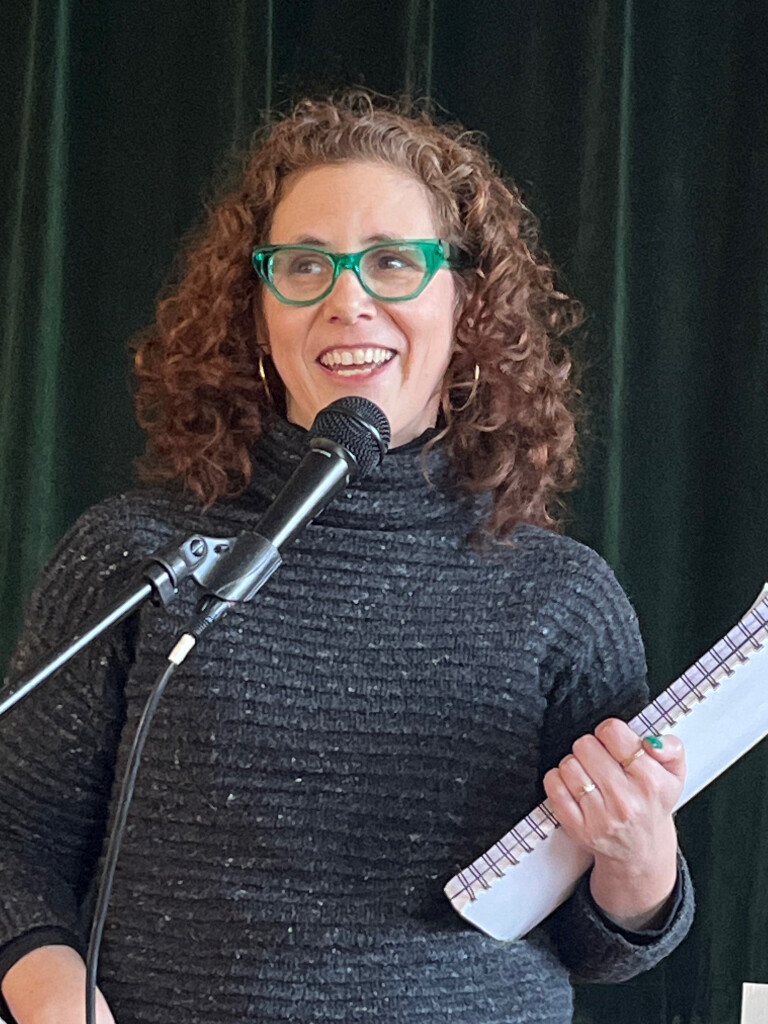
Johanna Grossman
Chittenden South East
I am the Community Relations Director for Phoenix Books, where I advocate for local businesses and support our store partnerships and government relations. Coming from the technology sector, I am deeply committed to data-driven policymaking that tackles state challenges with clear, measurable outcomes. My background also includes managing the countywide party infrastructure and supporting our region's 45 legislators, giving me a lot of insight into how to build coalitions and navigate the legislative process. I have a lot of experience leading electoral and advocacy campaigns alongside independent business owners to protect local economic resiliency. I’m also the co-host of the Vermont politics and culture podcast There’s No ’A’ in Creemee, where we frequently discuss regional economic development, housing, healthcare, and education issues with experts and legislators. I’m a mom and resident of Burlington’s South End. I am excited to bring a collaborative, relationship-driven approach to state politics. My focus is on creating space for the next generation to thrive here.
My primary motivation is to ensure Vermont remains a viable, affordable place for the next generation to live, work, and build a future. While our state has enacted vital social and environmental milestones, those achievements mean very little if the rising generation is priced out of our communities, and that is what is happening. Right now, our greatest threats to long-term economic vitality are a critical workforce housing deficit and spiraling healthcare costs. I hear constantly from employers who cannot scale or recruit talent because workers literally cannot find a place to live. To solve this, we must use proactive legislative tools to rapidly increase housing access. Furthermore, local business owners are being crushed by the skyrocketing costs of providing health insurance to their employees. My goal in Montpelier is to build a resilient economy that champions local commerce, retains our youth, and ensures Vermont businesses can thrive sustainably.
I appreciate the candor of this question. For your own information, my answers to this survey are informed by my work at a local business, and my conversations with countless business owners in Vermont, as well as those with thousands of voters here. I believe deeply in the economic development of Vermont. Without it, we can’t afford to keep Vermont, Vermont. Our state risks becoming an unsustainable shell of itself, rather than a thriving, self-sustaining ecosystem where working families can build a life and businesses can scale. The employer community should support my campaign because my platform treats economic resilience as the foundational engine that funds our policies, infrastructure, and livelihoods. Coming from both the tech world and independent retail at Phoenix Books, I view policy through a practical, data-driven lens. My platform directly benefits employers through three key commitments: 1. Solving the Workforce Housing Deficit The number one constraint on Vermont’s economic growth is housing. I hear it every day. Businesses cannot recruit or retain talent because workers literally cannot find a place to live. My guess is everyone reading this already knows that. I am committed to utilizing proactive legislative tools to increase access to inventory for resident Vermonters. I’d also like to empower property owners to create sustainable housing options that are still challenging in many places. Those options offer more sustainability and are often what a younger Vermonter looking for a first home, or an older Vermonter looking to downsize, wants. Stabilizing the housing market directly stabilizes your labor market. 2. Maximizing the Local Multiplier Effect Economic resilience it’s about retaining and multiplying our Vermont resources within the state, pumping Vermont money into Vermont companies. I advocate for directed economic development resources to fill critical gaps in our local supply chain. When Vermont businesses are forced to contract out-of-state for specialized services or technical infrastructure, local dollars leak out of our economy. By targeting state incentives and procurement to homegrown vendors who fill these B2B gaps, we leverage the local multiplier effect—ensuring every dollar spent recirculates to compound our regional wealth. 3. Data-Driven, Predictable Policy As a former Chair of the Chittenden County Democrats, and co-host of There’s No ’A’ in Creemee, I understand the legislative process, but my tech and small business work means I look for outcomes. We frequently discuss economic development on my podcast, because I believe policy must be formed in collaboration with the people doing the work.
Vermont’s support for businesses seems fragmented and often lackluster. I have often felt that, for example, small retail, has very little support, despite the state being peppered with Main Street shops across the state. Despite a “buy local” culture which has business-friendly optics, we could be more effectively using legislative tools to support Vermont businesses. It’s Vermont businesses, not out of state corporations, that are paying into our local taxes to build our schools and roads, employing our neighbors, and sponsoring our little league teams and pride parades. It’s time Vermont got our backs. Housing initiatives and support for workers to receive healthcare are first and foremost in helping employers. Those are the things I hear from small businesses the most. I’d also like to see us legislate to help Vermont small businesses get a better foothold to compete with initiatives like eliminating swipe fees, incentivizing Vermont-based procurement, and economic development supports for Vermont entrepreneurs trying to bring local options to the marketplace where there aren’t any.
I’m personally big on the swipe fee limitation VRGA advocated for this session. It is attainable. This policy could’ve saved Phoenix Books $100k/year. That is money that would go directly back into the Vermont economy instead of to the credit card duopoly.
Great question. I ran a state senate campaign in a purple district that cycle and talked with thousands of Vermont voters in 2024, many in Chittenden County. I learned an extraordinary amount that cycle from Clean Heat issue. Vermonters love our environment and want to protect it. However Vermonters are humans and when we feel like our basic needs are not being met - like housing, healthcare, and affording daily life - it is often unthinkable for us to support issues not affecting our daily lives. That can apply to climate action and social issues as well. Vermont needs to make sure every Vermont can survive and thrive here and it’s hard to ask for much more when we’re not doing that. As much as I would love to see us take climate action, we absolutely need to solve the housing and healthcare crises to do so. There isn’t another way. Act 181 was another example of total lack of buy-in from the affected communities. The intention of conservation is valid, but without the buy-in of impacted communities it simply didn’t work. Rural Vermonters are Vermonters with a voice and a vote and needed to be included in policy-making for it to stick.
Vermont is old and aging fast. The demographic challenge of Vermont of course is that we have a lot of Vermonters who are not part of the active workforce. Combined with a housing shortage of 30k units that leads to expensive healthcare and a housing crisis that creates a real crunch of businesses trying to hire. Workers don’t have a place to live, or can’t afford housing and leave. It’s clear to me that Vermont needs to prioritize housing for Vermont workers and families, as well as options for older Vermonters to downsize to. I’ve spoken with innumerable older voters who tell me they’d love to free up their big family home for a condo, but can’t find one.
As a professional working at a flagship business on the Church Street Marketplace, I see firsthand how vital our regional brand is to our local economy. When I worked for the Vermont Agency of Agriculture, Food, & Markets the “Vermont” label on food was a huge value-add to our growers and producers. Organizations like Hello Burlington do an incredible job shining a light on the vibrant, beautiful things happening in our region, and they serve as an excellent template for how we tell our story to the world. If we want to build on that success and market Vermont not just as a world-class destination, but as a place to move to, invest in, and build a life, we need to lean into our unique competitive advantage: our deep sense of community. At a time when so many Americans are struggling with social isolation, Vermont offers a powerful antidote. We are a state that values taking care of each other and investing in the shared civic infrastructure that makes life meaningful. Vermont has great childcare initiatives, an extraordinary park system, a thriving local food and agriculture network, and a resilient independent business culture that keeps our downtowns alive. That is the story we should be shouting from the rooftops. However, the most effective marketing campaign in the world will stall if we don't address our product's delivery. I talk to people constantly who are desperately looking for a reason to move here, or stay here, but are forced out by our cost-of-living crisis. The primary pain point for Vermont's economic growth isn't a lack of desire—it is a lack of structural affordability. True economic development means ensuring that the workforce our businesses rely on can actually survive here. It would be an incredible marketing tool if we could boldly tell prospective residents, "We will help you find a home and healthcare." We aren't there yet, but we can be. By focusing our legislative priorities on aggressively support housing, and healthcare costs, we can turn Vermont from a place people dream about visiting into a place where working families and innovators can afford to build a future.
This issue has affected us at Phoenix very directly. I have seen firsthand how so many people in Vermont have struggled with substance use, housing insecurity, and the spiral that can create. Those circumstances have often posed risks, hazards, and frustration to Phoenix and our neighbors. Sometimes the solutions have as well. We’ve struggled to maintain our compassion for our more distressed population while also taking care of our 40 employees and our customers who come in the door often to feel safe from the uncertainty of the bigger world. So I take the issue seriously and not ideologically. I’m focused on the data-driven outcomes that will keep our community safe and supported. There is a clear need for more mental health and substance use treatments that will help Vermonters find pathways to a happier and less dangerous life. I would like to see the state invest in programs that will create long-term treatment programs. I’m happy with how the Accountability Court has moved cases through. My understanding is that the ability to do that was largely by the implementation of cash bail so - even though I deeply admire the equity in attempting to avoid cash bail - it seems to me like we need to either reimplement it, or find another way to guarantee that we can hold folks accountable for legal infractions, particularly drug traffickers praying on Vermonters. While this is really a judicial issue, I am open to levers the legislature has to improve outcomes.
Yes. I’d actually also love to see the chambers reimplement group health plans for small businesses as they did before the ACA subsidies if they are open to it. I’d prefer to get everyone back on the exchange, but the first priority has to be getting Vermonters access to care.
There’s a lot of bottlenecks to housing in Vermont and I’m learning about more and more of them every day. I hope to learn more about them from each of you as I get further along in this process. I certainly hear complaints about Act 250 and permitting. We need to find a way to allow housing units to be added without NIMBYism. I truly believe we can have sustainable growth. South Burlington adding 800 units in 10 years, with a flourishing urban park system, walk/bike infrastructure, and a successful stormwater utility, is a fantastic example of that. We appear to have made some progress. My understanding is that the Vermont Bond Bank isn’t fully supporting the CHIP program contributing to the outcome that no applications have been processed yet, so that clearly needs to be revisited if it’s going to be used as an option for adding housing. We need to chip away at the housing issue any way we can and there are lots of smaller ways. The House floated a bill last year that would give Vermonters first crack at housing to avoid getting outbid by out-of-state retirees with cash. One town in my district did a study that demonstrated that a huge portion of the town was blocked from ADUs by HOAs despite them being legal; I’d like to explore that. Condos continue to have challenges obtaining funding due to pre-sale requirements at the federal level. That’s hard to take action on, but we can try. I have three vacant homes on my street, so clearly the residential vacancy tax is not high enough, either. Finally, supporting our YIMBY density projects like the Burlington South End Innovation District and South Burlington’s Market Street developments are models for how to add inventory to the market.
As someone with a long-time career in data and tech it’s important to me that the state makes data-driven decisions, not emotional ones. I am enthusiastic about the CSEA model that could bring administrative savings to the education system. The data clearly shows that key cost drivers for education were healthcare costs and aging infrastructure. The good news about taking on healthcare costs is that it helps everyone. I frequently hear people say that housing and healthcare are national problems. That’s true. But Vermont is small and smart and we can make changes here and lead the nation in innovation and impact as we so often have. We absolutely have to reduce the cost of healthcare in Vermont. One issue is clearly hospital management and regulation. UVMMC is struggling with revenue challenges including GMCB regulations, a high cancellation rate, and the loss of ACA subsidies leading to Vermonters forgoing care. UVMMC is averaging over 250 cancellations a day. That’s something that I am hopeful the new leadership will fix. In January 30k Vermonters lost their ACA healthcare subsidies which, in addition to being personally devastating to those Vermonters, is taking money out of the healthcare economy. I would like to see Vermont backfill those subsidies to get Vermonters back on the exchange and bring new revenue into the Vermont healthcare economy. I also would’ve liked to have seen the second homeowners tax implemented several years ago. Other states are raising higher taxes and fees than we do for second homes and short term rentals. That is revenue that could be used to reduce property tax pressure on Vermont’s resident working families. I’m running in the Chittenden Southeast District and our school districts are performing very well, while not perfect, of course. Most of the parents I talk with feel like their schools are doing a good job and every district passed our school budget this year.
I’d love to. I am always happy to be a part of the solution to growing Vermont’s economy. Supporting our businesses and building our economic self-reliance are core to my platform.

Virginia “Ginny”Lyons
Chittenden South East
Senator Ginny Lyons was professor of biology at Trinity College, VT for 27 years and teaches at institutions, including UVM and CCV. Senator Lyons taught, created, and directed programs for students entering natural sciences, environmental, social service, education and healthcare work. Lyons’s students include Vermonters first in their families to enter college or older Vermonters returning to education. Ginny developed collaborative agreements for laboratory technology, postbaccalaureate, pre-medical, and other programs. Today her students are business owners, educators, childcare workers, physicians, social service and mental health professionals, among others. Senator Lyons’ experiences in Vermont and beyond give depth of understanding to her Senate work. Ginny chaired Senate, natural resources and energy committee guiding esrly responses to climate change, stormwater, land use, toxic substances. She chairs Senate health and welfare and serves on appropriations. Lyons’ legislation reflects a commitment to people, cost-effective decision-making, public health, and the environment. She is a justice of the peace and was select board chair for 14 years. Lyons’ husband as a retired independent practice Otolaryngolohist. They have two adult daughters who live with their families in Vermont. They enjoy recreation, including skiing, swimming, canoeing, hiking, and local music events.
There is a need for stable leadership in the Senate after the loss of the Senate Protem and the chair of economic development. This compounds the effect of losing six Senate leaders in 2024. There is an ongoing shift to political rather than data informed decisions. Some senators now vote from a political perspective rather than listening to the data that committees have heard. My experience as third member of the committee on committees, chair of health and welfare, member of appropriations, and other Senate commitments is critical for stability in the Senate. Collaborative decision-making with businesses, healthcare organizations, local government, farms, legislators, the administration, and constituents is key to improving the economic and social outlook for Chittenden County and in Vermont overall. I will continue to provide a balanced perspective at a time when change is the Norm. I continue to learn about the importance of the scientific as well as business and social services perspectives for decision making.
The legislature completes its work within the committee process. It is critically important that I listen to our economic development and finance committees. Most decisions about allocating funds for economic development appear in the appropriations committee on which I serve. Support for economic development, social services, childcare, environmental protection, reduction of property taxes, healthcare improvements all need to be in balance. No one can deny that our economic foundation must be solid. We must balance business needs with supports people depend on to stay in Vermont. My work to reduce healthcare costs is directly related to maintaining business viability and to improve workers quality of life. Laws passed in 2025, that I introduced and or helped write, have reduced hospital and prescription drug costs by over $200 million. ACT68 will lead to comprehensive healthcare system and hospital transformation with ongoing cost savings. S190 will provide small businesses and individuals with reduced healthcare premiums. This act would also reduce healthcare premium costs for educators and education staff. This will reduce education property taxes. These represent over $100 million in healthcare savings. In addition, we passed legislation for a new Vermont prescription drug card. This program will save millions of dollars in healthcare costs for individuals. Legislative committees can improve quality of life fundamental to our economy. They can ensure that the regulatory environment does not overwhelm business growth and development. Incentives for businesses such as with VEGI, CHIP, VEDA programs acknowledge job growth and business ongoing needs. I will continue to support beneficial relationships between local government, state regulation, and business development. It is key that local planners include a vision for business growth within their municipal plans whether for agriculture or renewable energy. Chittenden County and Northwest Vermont is a microcosm of the state. It is the economic engine of Vermont. There are diverse businesses in Northwest Vermont, including local farms, entrepreneurial, tech industry, micro breweries, food, industry, retailers, contractors, housing, realtors, and others who build not just our economy, but provide the fabric for local communities. Businesses in Chittenden County should be eligible for the rural health transformation grant participation as much as other businesses in the state are eligible. It is critically important that we have public incentives available for businesses. Resources are needed, not only to establish a business, but to maintain viability. Having extremes and regulatory systems is not helpful. I will continue to identify regulatory moderation when businesses need a license, a zoning permit, or statewide support.
Yes – Vermonters at local and state levels respond to business needs through regulatory changes, land use planning, grants, loans, tax credits, or other incentives. Downtown legislation encourages towns, environmental planners, and developers to build where transportation or other services are accessible. Business can grow in population centers, such as downtowns, industrial parks, and village centers. Some businesses are losing prospective employees when Housing is unavailable. Targeted types of housing for affordable and workforce development is underway in response. The homeless continuum bill I worked on includes a new rental voucher program administered through the VSHA and VHCB to provide assistance to lower income workers. Rental vouchers will help workers and will reassure businesses that their workforce is stable. The legislature has responded to business needs with investments in childcare, healthcare, retail, Farm, food, service, and others. This includes workforce education, loan forgiveness, loan repayment, and similar support. Following losses from flood events legislation provided businesses with state tax and capital relief. Ongoing funding for emergency relief is included in the 2027 budget. Vermont’s environmental quality is important to the business culture. Land use, water quality, distributed energy, Wi-Fi access are each critical for business success. Act 250 or Public utility commission rules and regulations are frequently identified as less business friendly. The reality is that Vermonters seek a balance between local and state control by including businesses, environmental organizations, regulators, and citizens in policy development and decision-making. The process can be complicated. It should not require extraordinary time or expense.
Establishing or expanding loan programs or establishing tax credits could be a way to provide opportunities for music, film, and related businesses and jobs. Ultimately this could attract workers and keep young Vermonters in the state. Recognizing independent contractors will enhance Vermont’s creative and gig economy. The administrative burden that the creative economy faces inhibits broader development of entrepreneurial business. A film tax credit would enhance many different businesses and bring new opportunities to Vermont. Requiring that Vermont’s independent contractors be hired when tax credits are allocated will further help those small entrepreneurs. This may help Vermont’s independent contractors improve borrowing power to expand facilities or resources.
1. Top down mandates are contrary to Vermont’s Democratic values for local input in decision-making. 2. Vermont’s value and demand to provide local input to statewide decision decisions. 3. Vermonters are educated about issues with which state leaders grapple, but may not know all the information. 4. Overly complex policies do not build trust. 5. Extreme perspectives help to identify differences. 6. Adhering to extreme positions, perpetuates disagreement. 7. Common ground can be found through open honest data informed dialogue rather than through persistent repetition of opinion. 8. Collaborative decision-making is more beneficial than one-sided, categorical decisions. 9. Sometimes it is better to come back to a problem than to try to solve it immediately.
More and diverse types of housing are needed for diverse groups of people. I advocated that VHCB funds be designated for mental health, SUD, and Housing for those with Disabilities. We need to expand this opportunity to maintain and increase the number of residential, nursing homes, and related facilities for aging Vermont. Investments in facilities or services that allow folks to stay at home can improve Vermont‘s economy. SASH, choices for care, shared, living programs, RSVP, and Long Term Care need to be integrated into regional and statewide planning as discussed in the state aging plan. Identifying gaps and needs at regional levels can help target development opportunities for housing, transportation, and related services. Building connections between healthcare and community care services is one goal of the current healthcare system reform process. Focusing on how to support our aging population with connections to services will prevent future problems. Cathedral Square, area agencies on aging, and age well are some of the leaders in these areas. The 2024, 25, and 26 budgets and recent housing policy builds on work by legislators, administration, local planners, VHCB, developers, businesses, environmental and social service advocates. Regulatory changes direct development and tax credits to downtown village and growth centers. Older Vermonters on a fixed income could benefit from property tax relief such as that found in New York State Star program. The Vermont housing act ensures environmental standards complement development. The millions of dollars available for affordable and other housing types is important for workers, towns, business, and people needing temporary or permanent housing. It will take time and effort at regional and local levels for buildout. Consideration of our aging demographic is important in each.
Tourism is largely based on Vermont‘s environment and is critical for our economy. Each season draws diverse visitors, contributing to sales, rooms and meals taxes and fishing and hunting license fees. Regulated public /private investment relationships can reduce risk to the state and private enterprise. Avoiding investments that lead to financial failure requires oversight. It is appropriate that we invest in marketing efforts, including PSA‘s that draw people to VT. The investment in the new Conference sports facility at UVm can be a marketing opportunity that brings dollars to Vermont. I supported funding for this proposal during the appropriations process and think the new Center can help brand Vermont as a recreational conference destination. I continue to think that efforts to attract new residents will be ineffective if lack of affordable, adequate housing deters people from accepting jobs. It doesn’t help that news reports continuously decry the high cost of living, poor salaries, lack of affordability, or housing in the state. Many parts of the country have similar problems. Emphasis on the availability of childcare, access to outdoor recreation, strong, K-16 educational opportunities, and Vermont’s strong sense of community can draw investors or new residents. Vermont‘s landscape is attributable to conservation easement and a demonstrated commitment of Forest and Farm sectors of the economy. An influx of people who became residents during the pandemic was an eye-opener, as is the high number of people with second homes in the state. There are ongoing questions: can a balance be struck between those owning seasonal properties and permanent residence? Can the remote worker program be more effective and track and attracting new families? Could a film tax credit bring additional investment? What role can the notion of energy independence play in marketing Vermont strong environmental ethic?
Reducing the numbers and providing for those who are unhoused, enhancing recovery programs, improving crisis response, and others begin to provide safer downtowns. Changes to the General Assistance “Homeless Continuum” program should reduce concerns for shoppers, tourists and business owners. Fewer unhoused people in public areas will improve overall quality of life for businesses and those needing support services. The rental voucher program included in the legislation will help lower income workers access more permanent housing. This will offer reassurance to business that their work force is stable. The opioid epidemic continues to affect downtown viability. Burlington is eligible for significant funding to establish its Opioid Protection Center and provide comprehensive services to those addicted to opiates. My Committee passed legislation to increase access to Recovery residences and services. Addiction is a disease that can require years of treatment to move patients from addiction to counseling, employment, and community living. The Howard Center no longer has resources to pick up discarded needles in parks and on streets. I worked with the Dept of Health for the Dept to establish its program to remove needles from downtown areas. These programs can offer relief to business, shoppers, and others in downtowns. It is critical that drug. distributors be held accountable. One provision in legislation that did not pass this year would have improved landlord tenant rules for eviction. This needs to be revisited and determine how illegal drugs can be removed from rental properties. The drug court established in Burlington has been effective to increase responsibility for drug related crimes. Community justice centers are important in this public safety and judicial process. Behavioral health supports could improve outcomes for those who are judicially involved. Public safety, social, and mental Health embedded crisis response can offer relief to Downtown residents and businesses. Having trained mobile cross response de-escalate a mental health patient can reassure others in the area. Our Chittenden County Public Safety personnel work closely with mental Health and substance misuse professionals to maintain calm. All these efforts involve many people and keep our downtowns safe.
I would consider Association plans for trade groups as long as the plans adhere to current health reform reimbursement processes. We considered Association plans in the past and found that groups out of the plans were negatively affected. I would look forward to reviewing the data about the plans.
Workers at every income level, need housing near transportation, health services, retail, and food shopping. Vermont’s goal of compact settlement patterns in Village centers, and downtowns offers opportunities to reduce regulatory redundancy and cost of development in those areas. My original intent for the growth center law was to have environmental assessment done upfront to reduce time and cost for local, act 250, and state permitting processes. Some progress with downtown tax credits, regional planning, stormwater, and others helped reduce regulatory time and cost hurdled while also protecting the environment. There will always be people who wish to express concerns when development occurs near their homes or businesses. Having public input is important. It should not always be the final word. Some are concerned that towns might grow into urban settings and lose Vermont‘s character. In fill development for single-family and rental opportunities can offer cost savings. When pre-permitting and land use planning are in place, time and money are saved. Not everyone can live in the rural landscape. Questions of property owners rights will never be fully resolved. Debates about allowable land use can be heated as they were in the legislature this year. These debates lead to questions about second home ownership that can include large tracks of open lands and forests. They lead to questions about income disparities between Vermont and more affluent out of staters. Regardless of these concerns, Vermonters need Housing of different types and levels of affordability. Identifying appropriate levels of regulation can provide for cost-effective development. It is unfortunate that act 250 has become the debate. Without act 250, Vermont would not have debates central to protecting land, wetlands, forest, water, agriculture. Nor would these elements be protected for future generations. It’s perfectly acceptable to evaluate act 250 effectiveness, timelines, cost, public participation, and use of data to determine if regulation is overly burdensome. To categorically condemn act 250 as negative because of one bad experience is inappropriate.
Loss of federal pandemic funds and inflation hinder purchasing power for schools. Votes against school budgets reflect this pressure - a wake up call that school funding needs major repair - less complexity, lower property taxes with an in-depth look at alternatives. As the third member on the committee on committees I researched and helped appoint members of the task force. The task force developed recommendations for changes in education. The task force result has resulted in H955 directing next steps for education reform. Many of these steps require ongoing local work and additional legislative input over the next few years. A new foundation formula will be developed. In the meantime the legislature has appropriated about $100 million to reduce an increase in property taxes in 2027. In addition the excess spending threshold was set at about 115%. Each of these will help maintain a lower rate of increase for education, property taxes. As chair of health and welfare, I asked my committee to address healthcare costs directly related to education property taxes. In 2025 we reduced hospital drug costs and required the Green Mountain care board to reduce insurance payments to hospitals by 2027. In 2026 S190 includes premium reductions for educators and education staff that will reduce education property taxes by millions of dollars. School districts saw healthcare premium reductions from the ‘25 legislation. We expect greater benefits from S190 should it become law.
Senators participate in two different committees, one in the morning and one in the afternoon. There is limited time during noon hour to regularly attend any caucus. If the caucus is discussing an issue directly related to my constituents or my district, I would certainly make every effort to attend. I would also look forward to attending if I were invited for to hear about or participate in a discussion on a specific issue of interest.
Building trust and responsiveness in government.
Grew up in a family business, married into a farm and family business, am a small business owner. Chaired Senate Economic Development, Housing & General Affairs Committee. Have worked tirelessly on affordability, housing, and helping families and small businesses make a living in Vermont.
Vermont has a cost of living that is much higher than the available opportunities and resources. We need to reduce unnecessary red tape, and make it more affordable to build housing, grow jobs, and invest in our communities and the next generation.
Have authored and championed HOME Act, Act 250 housing exemptions, and CHIP.
Decisions cannot be made about Vermonters without Vermonters.
Everything the Vermont Futures Project recommends!
Bespoke, individualized growth and employment supports for families, veterans, and mid-size businesses.
Affordable, multi-family housing is shown to reduce rent prices and thereby reduce homelessness. We also need to provide wraparound services and disability-related housing.
Yes, if it reduces cost for businesses and families.
Make the Act 250 housing exemptions permanent and expand them in Tier 2.
Cost containment through the excess spending threshold, measuring success appropriately through literacy and CTE, and growing the grand list.
Yes, when possible. Senators tend to have more demands on their time.

Thomas Chittenden
Chittenden South East
As a ninth-generation Vermonter, my commitment to Chittenden County runs deep. I was raised here, educated here, and am raising my three children here alongside my wife, a local public school teacher. Professionally, I hold an MBA from the University of Vermont and serve as a Senior Lecturer at the Grossman School of Business. Prior to my academic career, I worked as a systems consultant for regional tech firms and enterprises. This unique intersection of business and technology informs my approach to economic policy. My path to the State Senate was built on local service. I served eight years on the South Burlington City Council, chaired the Green Mountain Transit Authority, and led UVM's Faculty Senate. In the legislature, I have utilized this background while serving on the Finance, Transportation, Education, Ethics and Economic Development committees, I am running for re-election to continue building a vibrant, sustainable local economy where families and businesses can thrive side-by-side.
My primary motivation is rooted in the future of our state and my desire to ensure Vermont remains a viable, thriving place for the next generation to live, work, and raise families. As a father of three, I am acutely aware of the economic pressures facing young Vermonters today. We have an incredible quality of life, but it is increasingly undermined by severe shortages in housing, a high cost of living, and workforce constraints that burden our local employers. Having served on the South Burlington City Council, led regional transit boards, and worked in business education at UVM, I know that solving these complex systemic issues requires collaborative, data-driven leadership. I am running for re-election to bring an economically grounded, pragmatic perspective to Montpelier. I want to build a resilient economy that fosters innovation, expands housing opportunities, supports our business community, and protects our environment—ensuring that the Vermont we love today is sustainable and accessible for our children tomorrow.
I hope business owners will support my re-election because I offer a unique, necessary combination of formal business education, private-sector consulting experience, and a proven legislative track record of advocating for economic growth and stability. As a holder of an MBA, a long-time instructor at the UVM Grossman School of Business, and the Vice Chair of the Senate Finance Committee, I do not view economic policy through an abstract lens. I understand how legislative mandates impact a balance sheet, how compounding tax burdens strain employers, and how regulatory uncertainty stifles private investment. My legislative platform directly benefits the employer community by focusing squarely on Vermont’s "twin bottlenecks": workforce shortages and the housing crisis. Pro-Growth Housing and Regulatory Reform: Employers cannot recruit or retain talent if workers have nowhere to live. I have consistently championed housing growth and regulatory predictability. I am proud of legislative steps we’ve taken—such as the landmark housing initiatives with the CHIP program—but we must go further. My platform prioritizes meaningful Act 250 modernization to reduce duplicative permitting processes, slash bureaucratic red tape, and create clear, accelerated pathways for housing and economic development. On the Senate Finance Committee, my focus is on maintaining a stable, predictable fiscal environment. Rather than constantly raising taxes on existing businesses and residents—which makes Vermont increasingly unaffordable—my platform centers on growing our grand lists and expanding our economic tax base. We achieve this by fostering the conditions that attract investment and regionalizing municipal services to deliver better public outcomes at lower costs. With my service at the municipal level and with our largest regional transit authority, I am committed to upgrading our state's physical hardware. Reliable transportation, modern information systems, and robust utility networks are essential for commerce. I advocate for deploying state and federal funds into these foundational assets, allowing businesses to operate efficiently and sustainably. Ultimately, I believe government should work collaboratively with our employers, assisting where we can and getting out of the way where we should. Our hospitality, technology, manufacturing, and small business sectors are the engine of Vermont’s tax base and social programs. I am running to continue serving as a reliable, pragmatic, and economically grounded ally for the employer community in Montpelier.
No. Despite our incredible quality of life, iconic local brands, and highly educated population, Vermont is frequently ranked among the most challenging states in the nation in which to start, operate, or scale a business. We have allowed a culture of regulatory over-complication and unpredictability to take root. This, paired with a compounding tax burden, creates a steep uphill climb for our employers—particularly our small business community. If we want to fund our state's essential social programs and protect our environment, we must first ensure we have a thriving private sector to generate that revenue. To transform Vermont into a genuinely business-friendly state, we need to focus on three critical policy shifts: 1. Comprehensive Regulatory Streamlining: Our permitting timelines are too long, and our processes are too fractured. While we have made incremental progress on housing development, we must aggressively pursue broader Act 250 modernization. We need to eliminate duplicative municipal and state permitting layers, especially in designated downtown growth centers, while leveraging advancements in AI to assist with back office review to give employers and developers the predictability they need to invest here with confidence. 2. Tax Stabilization and Broadening the Tax Base: We cannot continuously solve state budgetary needs by raising the cost of doing business. It drives away capital and suppresses wages. On the Senate Finance Committee, my priority is shifting the focus from raising tax rates to broadening our economic base. We achieve this by fostering an environment that naturally attracts new investments and workers, which increases our grand lists and reduces the individual tax burden on existing employers and residents. 3. Infrastructure Upgrades: We must actively modernize our "hardware." High-speed broadband, cellular reliability, modern transit, and robust utility systems are mandatory for 21st-century commerce. A truly "business-friendly" state doesn't mean compromising our deeply held Vermont values or environmental stewardship. It simply means government must adopt a customer-service mindset when interacting with the job creators who sustain our economy. As your State Senator, I am committed to treating the business community as an essential partner, ensuring Montpelier helps where it can and explicitly gets out of the way where it should.
The single most impactful policy change we can make to improve Vermont’s business climate is comprehensive Act 250 reform. Originally designed over 50 years ago, our landmark land-use law now frequently functions as a duplicative, unpredictable hurdle that stymies desperately needed economic growth and housing development. We must modernize Act 250 to make building easier, faster, and more predictable. My policy platform prioritizes raising jurisdictional thresholds for housing units and exempting projects in designated municipal downtowns that already possess robust local zoning and infrastructure. By eliminating overlapping state and local permitting tiers, we can provide employers and builders with the regulatory certainty required to invest in Vermont. We can protect our environment and support smart growth simultaneously; modernizing Act 250 allows us to achieve both while sending a clear signal that Vermont welcomes sustainable enterprise.
The overwhelming public reaction to the Clean Heat Standard and Act 181 has delivered a clear, unequivocal lesson to policymakers: Vermonters want a thriving, sustainable future, but they absolutely cannot afford more top-down mandates or compounding taxes from Montpelier. The intense pushback against the Clean Heat Standard—which proved to be untenable for implementation and is now permanently 'shelved'—was a direct result of its staggering projected costs. When estimates revealed the program could add roughly 58 cents per gallon to heating costs, everyday families and small businesses stated clearly they can't afford this especially when our neighboring states aren't considering anything comparable. For a family trying to keep their home warm or a small business balancing utility overhead, an artificial price hike of that magnitude is a breaking point. It proved that well-intentioned climate goals fail when they ignore basic household math. Similarly, the rollout of Act 181’s land-use overhauls has shown us that over-centralizing development decisions creates massive local anxiety. While intended to spur housing, the complex tier systems and mapping mandates risk adding new layers of red tape rather than truly simplifying the path for builders. As a State Senator, my takeaway from these controversies centers on three core principles: 1. Affordability is the Ultimate Standard: We cannot pass environmental or land-use policies that function as regressive taxes on working-class Vermonters and employers. Policy must incentivize positive choices rather than punishing everyday survival. 2. Growth Over Mandates: Vermont needs to grow its grand lists and expand its tax base to naturally fund our shared goals. When we over-regulate housing with sweeping mapping mandates or threaten to inflate energy bills, we choke off the very economic growth required to make sustainable upgrades affordable. 3. Listen to Local Communities: Montpelier must stop acting as a default, centralized authority that ignores regional realities. Our municipal planning commissions and local fuel dealers are partners, not adversaries. I am committed to environmental stewardship, but it must move at the speed of economic reality. Moving forward, I will continue to serve as a pragmatic guardrail in Montpelier. I will oppose complex credit schemes or hidden fuel registries that lay the groundwork for future carbon taxes, and instead focus on practical, affordable solutions that support our workforce and grow our economy.
This incoming demographic shift is a defining economic challenge facing Vermont today. An aging population is not fundamentally a budget crisis; it is a housing and workforce crisis. When one-third of our population is over 65, we face a compounding bottleneck. We lose working-age individuals from our labor force just as our need for healthcare workers, service providers, and tax-paying professionals reaches an all-time high. To counter this demographic imbalance, we do not need more mandates or higher taxes. We need an intentional strategy to attract and retain young families, working professionals, and new businesses. And the key to unlocking that growth is making it easier, faster, and more predictable to build houses in Vermont. The current housing shortage artificially inflates prices and squeezes out young workers. If a young nurse, teacher, or entrepreneur cannot find a place to live, they will move to states with lower barriers to entry. Furthermore, many older Vermonters want to downsize out of large single-family homes into modern, accessible condos or townhomes within our downtown centers, but they can’t because that inventory doesn’t exist. This creates a gridlock across our entire housing market. To correct this trend, our legislative action must focus on two core priorities: 1. Unlocking Dense Multi-Unit Housing: We must modernize Act 250 and reform local zoning laws to aggressively incentivize the development of multi-family, transit-oriented, and mixed-income housing in our designated downtowns. This gives seniors vibrant options to transition into, while simultaneously freeing up existing single-family housing stock for growing families. 2. Infrastructure Delivery via Partnerships: We need to deploy programs like the Community and Housing Infrastructure Program (CHIP) to fund public-private water, sewer, and transportation networks. This reduces upfront development costs and allows builders to rapidly deliver supply to the market. We cannot stop time, but we can change our policy. By stripping away duplicative regulations and removing the barriers to building, we can ensure that young families move here, our workforce grows here, and Vermonters of all generations can afford to thrive here side-by-side.
To market Vermont effectively to potential residents and investors, we must realize that our tourism pipeline is our greatest economic development funnel. Every year, millions of people visit Vermont and fall in love with our lifestyle; the challenge is creating a seamless, deliberate mechanism that converts those transient visitors into permanent taxpayers, entrepreneurs, and community members. We don't need a total rebranding. Our "Vermont Brand"—synonymous with quality, sustainability, community, and unmatched natural beauty—is already world-class. Instead, we must optimize how we leverage that brand to drive population and business growth through three targeted strategies: 1. Maximize and Evolve the Tourism-to-Resident Pipeline: We need to lean heavily into data-driven, regional "concierge" models. Programs like Think Vermont and the state's GROW (Grants for Relocation Outreach Work) initiative have proven that high-touch, hyper-local onboarding works. When a family or professional visits Vermont, our digital and regional marketing should capture that interest and seamlessly connect them with regional development corporations. We must provide immediate, practical support for navigating our job market, identifying school districts, and plugging into local welcome networks. 2. Market our 21st-Century Remote Work and Digital Infrastructure: We should explicitly position Vermont as the premier East Coast hub for modern, flexible careers. Marketing campaigns should actively target remote workers, tech professionals, and young families in dense metropolitan corridors like Boston and New York City. We must aggressively communicate that you can build an elite, high-paying career from a home office or a co-working space in our vibrant downtowns without sacrificing connection to global markets. 3. Promote the "Vermont Difference" for Enterprise Investment: When marketing to businesses and entrepreneurs, our pitch must move past scenic views and center on our unique, collaborative ecosystem. We need to broadcast the message that in Vermont, you aren’t just a number on a tax roll; you are an essential part of a community where you can easily access state leaders, collaborate with higher education institutions like UVM, and partner with regional business networks. However, marketing is only as good as the product it sells. The absolute best marketing campaign in the world will fail if the people we attract arrive here only to realize they cannot find an available home, open childcare slots, or a predictable regulatory environment for their business. Therefore, my approach to marketing Vermont is inextricably linked to my legislative work on the Finance and Economic Development committees. By passing smart housing reform, modernizing Act 250, and stabilizing our tax base, we will ensure that the reality of living and investing in Vermont perfectly matches the world-class brand we project to the world.
A vibrant economy is entirely dependent on safe, welcoming communities. While the legislature has taken meaningful steps recently to crack down on repeat retail theft, curb open-air drug markets, and adjust accountability frameworks, we cannot declare victory. Property crime, retail theft, and the impacts of the opioid epidemic continue to place an unacceptable strain on our downtown small businesses, workers, and residents. To ensure further, lasting progress, we must transition from reactive damage control to proactive, structural reforms. Moving forward, our legislative action must focus on three interconnected priorities: 1. Enforcing Accountability for Repeat Offenders: We must ensure our judicial and correctional systems possess the tools necessary to address service-resistant, repeat offenders. While I strongly advocate for diversion programs and rehabilitation for those willing to engage, we must draw a firm line against chronic individuals who repeatedly target our downtown merchants and compromise public spaces. This means supporting statutory changes that allow judges greater discretion in setting bail for multi-offense retail theft and property crimes, ensuring that swift, predictable accountability acts as a genuine deterrent. 2. Expanding Secured Treatment and Shelter Capacity: Public safety and public health are deeply intertwined. We cannot police our way out of a substance use crisis, nor can we continue a cycle of catching and releasing individuals experiencing severe acute psychosis or addiction without treatment pathways. The state must invest in expanding secured, localized residential treatment facilities and transitional shelter capacity. By providing adequate law enforcement resources alongside a robust healthcare infrastructure, we can transition vulnerable individuals off our downtown sidewalks and into settings where they can get stabilized. 3. Modernizing Public Safety Infrastructure: I believe we must optimize our emergency response systems to maximize resources. We need to fully implement and fund a modern, interconnected regional dispatch infrastructure to coordinate emergency responses seamlessly across county lines. Fast, predictable response times save lives and better protect property. Furthermore, we must support recruit-and-retain incentives for our frontline law enforcement officers, dispatchers, and first responders to address severe staffing shortages across the state. Our downtown business owners, hospitality workers, and families should never have to view public safety as a luxury. In the State Senate, I will continue to approach this issue with a pragmatic, zero-tolerance view toward law-breaking, paired with a dedicated focus on building the structural mental health, housing, and infrastructure frameworks necessary to reclaim the safety and vitality of Vermont's downtowns.
Yes, absolutely. I fully support allowing Vermont trade associations to offer Association Health Plans (AHPs), and I deeply regret that legislation to advance this policy failed to move forward this past session. Right now, health insurance costs are one of the most crippling operational burdens facing Vermont employers. Small business owners want to provide high-quality, comprehensive health coverage to recruit and retain talent, but our current market structures force small groups and sole proprietors into an incredibly expensive environment with limited flexibility. By allowing trade organizations—like the Lake Champlain Chamber—to offer AHPs, we give our small business community the leverage to pool their risk and negotiate competitive, lower-cost insurance plans with the exact same purchasing power as large corporations. It is a common-sense, market-driven mechanism to lower the cost of doing business and keep families healthy. I am running for re-election to continue pushing for these practical healthcare reforms. We cannot continue to let gridlock stall relief for Main Street. In the next session, I am committed to fighting for the return of AHPs to inject much-needed competition, flexibility, and affordability back into our state's commercial insurance market.
Our current regulatory system treats housing development as an adversarial process rather than a shared necessity. While well-intentioned environmental protections are vital to Vermont’s identity, the compounding layers of bureaucracy have created an environment where building homes is slow, financially risky, and prohibitively expensive. This regulatory gridlock is a primary driver of our critical housing shortage, directly inflating costs for families and making it nearly impossible for employers to recruit talent. The most destructive friction in our current system is the chaotic overlap of scattered, inconsistent, and restrictive stormwater and wetlands rules at both the state and local levels. Right now, an employer or homebuilder attempting to build infill housing must navigate a fragmented obstacle course. They face one set of stormwater standards from the state’s Department of Environmental Conservation, an entirely separate and often conflicting set of water-retention ordinances from local municipal bylaws, and a highly unpredictable wetlands mapping and delineation process. A project can be fully approved by a town planning commission, only to be stalled for months—or killed entirely—by an unmapped, seasonal Class II wetland buffer dispute at the state level. These duplicative, uncoordinated regulatory tiers do not produce superior environmental outcomes; they simply add thousands of dollars in holding costs, legal fees, and engineering delays to the final price of every single unit. To solve this, we must transition to a predictable, consolidated regulatory framework: Establish a "Single Point of Review" for Environmental Permits: We need to structurally align state and municipal jurisdictions. If a municipality has established robust, state-approved local zoning and modern infrastructure, the state should delegate stormwater and minor wetlands reviews directly to that local level. Eliminating duplicative, multi-tiered permitting processes will provide the predictability builders need to invest. Enforce Set Setbacks and Allowed Uses in Growth Centers: We must modernize state wetland rules to create clear, sensible exemptions for dense housing inside our designated downtowns and growth zones. Reducing required setbacks from unmapped wetlands in areas already designated for compact development will unlock smart growth without compromising critical, high-value natural ecosystems. Standardize Stormwater Bylaws Statewide: The state should provide a clear, standardized baseline for municipal stormwater management standing up stormwater utilities to more strategically invest where water improvement impact is greatest. We do not have to choose between clean water and affordable housing. By stripping away duplicative red tape and synchronizing our local and state rules, we can protect our natural environment while building the vibrant, accessible communities Vermonters desperately need.
Vermont’s current education funding trajectory is unsustainable. Despite our state frequently ranking near the top nationally in per-pupil spending, our escalating property tax bills are placing an unbearable burden on everyday homeowners, families, and businesses. To protect our schools and our economy, we must move past temporary tax buydowns and tackle the structural cost drivers of our education system. This requires rationalizing institutional governance and implementing stronger, centralized fiscal guardrails to apply meaningful downward pressure on spending choices. First, we must modernize and rationalize governance across our school districts and supervisory unions. Vermont’s student enrollment has steadily declined over recent decades, yet our administrative structures and overhead costs have continued to expand. We must incentivize greater regional collaboration, shared administrative services, and voluntary district consolidations to maximize the impact of every dollar. Streamlining institutional overhead ensures resources are directed exactly where they belong: in the classroom, supporting students and educators. Second, the state must better utilize centralized budget guidance—specifically the Excess Spending Threshold Penalty—to instill financial discipline and create consistency across districts. The excess spending adjustment functions as a vital fiscal guardrail, placing a tax penalty on per-pupil spending that exceeds a reasonable baseline. I support efforts to tighten this threshold, such as lowering the mechanism from down to 112.5% over the next four years. This adjustment sends a clear, powerful signal to school boards: compounding budget increases that outpace household wage growth are unacceptable. Crucially, as we tighten this spending threshold, we must treat critical infrastructure fairly. I support exempting voter-approved capital construction bonds from the excess spending calculation. It is counterproductive to penalize communities for making essential, life-safety upgrades to physical school buildings. Separating infrastructure hardware from daily operational spending allows us to fix our schools while maintaining strict, aggressive downward pressure on escalating operational costs. Ultimately, we do not have to sacrifice educational quality to achieve fiscal responsibility. By optimizing our district structures, demanding governance efficiencies, and reinforcing statewide spending thresholds, we can build a predictable, affordable, and high-performing education system that aligns with the economic reality of the taxpayers who fund it.
Yes, absolutely. Not only would I participate, but I was proud to actively engage with the Caucus for Vermont's Economy during the last biennium. The state's most pressing issues—such as the housing crisis, crushing property tax burdens, and severe workforce shortages—are not partisan problems, and they cannot be solved with partisan gridlock. The Caucus for Vermont’s Economy provides an essential, tripartisan forum where lawmakers from both chambers can step outside of traditional political silos. It allows us to come together, look directly at the economic data, and focus on collaborative, systemic solutions that prioritize long-term prosperity. As Vice Chair of the Senate Finance Committee and a business educator, I believe this holistic approach to economic policy is exactly what Montpelier needs. We must continue to evaluate how state regulations impact local employers, find ways to modernize outdated government systems, and aggressively pursue data-driven policies that make Vermont a more affordable place to live and invest. I look forward to continuing my work with the Caucus to champion smart growth and sustainable enterprise in the next session.
Chittenden North (1 seat)

Irene Wrenner
Chittenden North
I earned a BS in Industrial and Labor Relations from Cornell. I worked for several sizable firms in their HR, IT, and Communications departments. I then started several home-based busineses. I have volunteered in local government for 21 years, including 12 as a Selectboard member in Essex. Beginning in 2023, I served a two-year Senate term in Montpelier.
I wish to leverage my two decades of experience in public service to address the shortcomings of our state government. I led a 16-year effort to resolve the 64-year fight over merger and separation in the Town of Essex. And I'm ready for a new puzzle to solve. My main motivation is to bring the voices of everyday Vermonters into the hallowed halls and committee rooms, in addition to the major parties, big donors and ever-present lobbyists, who often play an outsized role in determining which laws get passed and how they are written.
When our laws reflect the will of the people, as in the greater good, we all benefit: residents and businesses. I knock on thousands of doors each year. Being in a politically 'purple' district, I get a cross-section of input that any business should be eager to tap into. I currently chair the Economic Development Commission in Essex. Having attended their meetings for more than 10 years, and regularly touring local businesses, I have a fairly good sense of where local government falls down in supporting commerce. I understand that without businesses who manufacture products and provide services, Vermont will cease to be viable. I will do all I can to ensure that employers get a seat in the committee rooms to testify.
No. Legislators need to talk more with business owners. Some appear to have no sense of what it means to have to meet a bottom line because they come from the world of non-profits.
Set up a separate non-homestead tax bracket for business, so it isn't lumped in with second homes.
Frankly, I voted against both bills from the outset. I understood the downsides of each and refused to be cowed by party pressures to approve bills that didn't make sense. They did not consider the financial pressures rural Vermonters face. I learned that I should speak more often and more forcefully on behalf of my constituents. I also understand that by returning to the Senate, I would have seniority, as well as a track record of voting in a way that hindsight proved was "correct" according to many voters. I would leverage that political power for the good of businesses and residents.
I think we need to recognize the silver (pun intended) lining of an older population. Many of today's seniors will no longer live alone in their split level homes or raised ranches ten years from now. The housing shortage could resolve itself over time due to such demographic changes alone.
We should continue to market Vermont as a safe, clean, beautiful place to live, work, and play. Meanwhile, we need to ensure that our homelessness and substance abuse issues are mitigated, lest we promote a false picture of our recent reality.
Haven't studied this issue. I would take testimony from folks who are dealing with the problems and likely have suggestions for us. They are the experts.
I support this and other creative ways to bring down the cost of health care to Vermonters.
The state needs to get folks out of motels. Build shelters. Stop building apartments that cost nearly $600K each.
Teachers tell me they have seen all kinds of waste in their schools. Some corporations have incentive programs for whistleblowers. Why not offer a contest in each school for teachers to submit savings suggestions. I have heard from teachers that banning international travel to training / conferences would help, as would not spending budget surplus dollars on crap at the end of the year.
I attended the CVE meetings all year. I found the topics highly relevant and learned a lot from their guest speakers. Whether or not I an elected, I will continue to zoom in to those meetings.

Ashley Bartley
Chittenden North
I am a Vermont State Representative with a professional background rooted in public policy, political campaigns, and workforce development. After graduating from the University of Vermont with degrees in Political Science and Economics, I built my career working on municipal, local, statewide, and presidential campaigns before being elected to the Vermont House of Representatives in 2022. Throughout my time in public service, I have focused on addressing two of Vermont's most pressing challenges: housing and workforce development. I have worked to advance policies that increase housing availability, improve affordability for working families, and support sustainable community growth. At the same time, I have championed efforts to strengthen Vermont's workforce by expanding career opportunities, supporting employers, addressing labor shortages, and investing in programs that help recruit and retain workers across the state. My approach is grounded in collaboration, fiscal responsibility, and practical problem-solving. I believe that growing Vermont's economy requires both a strong workforce and accessible housing, and I am committed to advancing policies that help individuals, families, and businesses succeed. Through legislative service and community engagement, I strive to develop solutions that create opportunity while preserving the character and vitality of Vermont's communities.
I am running for the Vermont Senate because my work is not done. Over the past four years serving in the House, I have worked to address some of the most significant challenges facing Vermont families, businesses, and communities. While we have made progress, too many Vermonters still struggle to find affordable housing, employers continue to face workforce shortages, and taxpayers are being asked to shoulder an increasing financial burden. Throughout my service, I have focused on practical solutions that strengthen our workforce, expand housing opportunities, and support economic growth while maintaining fiscal responsibility. I believe Vermont can be a place where young families can afford to put down roots, businesses can find the workers they need, and communities can thrive. The Senate offers an opportunity to continue building on that work and to bring a strong voice for Franklin County and the communities I serve. I am running because I care deeply about Vermont's future, and I remain committed to delivering thoughtful, results-driven leadership on the issues that matter most to Vermonters.
Businesses should support my campaign because I have consistently worked to ensure that the voices of employers, entrepreneurs, and job creators are heard in Montpelier. Throughout my time in the Legislature, I have partnered with businesses across Vermont as legislation moves through the committee process, helping identify unintended consequences, advocating for practical solutions, and ensuring policymakers understand the real-world impacts of proposed laws and regulations. I am also the co-founder and co-chair of the Caucus for Vermont's Economy, which was created to strengthen communication between lawmakers and the business community. Through this effort, we have worked to ensure business owners have a seat at the table and a meaningful opportunity to share their perspectives on issues affecting workforce development, housing, taxation, regulation, and economic growth. I understand that a strong economy depends on a thriving business community. My focus has been on advancing policies that help employers recruit and retain workers, expand housing opportunities, and create an environment where businesses can succeed and grow. I will continue to be a collaborative, accessible, and reliable ally for Vermont businesses, ensuring their concerns are heard and their contributions to our communities are recognized and valued.
One of the reasons I have been such a strong advocate for Vermont's business community is that I recognize a simple reality: Vermont is not as business-friendly as it should be. While Vermont offers an exceptional quality of life, strong communities, and a dedicated workforce, we have created a regulatory environment that can make it difficult for businesses to start, expand, and invest in our state. Time and again, I hear from employers, developers, and entrepreneurs who want to grow, hire more workers, or build new housing, but find themselves navigating a maze of regulations, permits, and overlapping requirements. Many of these challenges intersect with broader issues such as Act 250, permitting reform, housing development, and workforce recruitment. When projects are delayed for months or even years, costs increase, opportunities are lost, and businesses begin looking elsewhere. I believe we can protect Vermont's natural resources and preserve our unique character while also creating a more predictable and efficient regulatory process. These goals are not mutually exclusive. In fact, if we are serious about addressing our housing shortage and workforce challenges, we must be willing to examine the barriers that prevent projects from moving forward in a timely manner. As legislators, we have a responsibility to look beyond the stated intent of a bill and consider its unintended consequences. Too often, legislation is passed with good intentions but without fully understanding how it will impact employers, municipalities, developers, nonprofits, and working families. Every new regulation, reporting requirement, fee, or mandate carries a cost. While each individual requirement may seem reasonable on its own, the cumulative effect can create significant burdens that discourage investment and economic growth. Throughout my time in the Legislature, I have worked closely with business owners and industry leaders as legislation moves through the committee process. Their input is critical because they are often the first to identify practical concerns and unintended impacts that may not be apparent during initial policy discussions. This perspective is one of the reasons I co-founded and now co-chair the Caucus for Vermont's Economy. Our goal has been to ensure that businesses have a seat at the table and that policymakers hear directly from the people creating jobs and driving economic activity across our state. Vermont's economic future depends on our ability to balance responsible regulation with economic opportunity. I will continue advocating for thoughtful permitting reform, a more efficient regulatory process, and policies that encourage investment, support job creation, and expand housing opportunities. By listening to those affected by our decisions and carefully considering unintended consequences, we can create a stronger, more competitive Vermont for future generations.
One issue I hear repeatedly from Vermont businesses is not just the length of the permitting process, but the subjectivity involved in it. Businesses can invest significant time and resources into planning an expansion, new development, or infrastructure improvement, only to face delays because requirements and interpretations vary depending on the reviewer, agency, or process involved. This uncertainty creates real challenges for employers trying to grow, create jobs, or remain competitive. Businesses need a permitting system that is transparent, predictable, and consistent. When outcomes become subjective rather than objective, it becomes difficult for business owners to make informed investment decisions and can discourage economic growth altogether. While preserving Vermont's environment and quality of life remains important, we must also recognize that a permitting system should provide clarity and certainty. A business should know what standards it must meet and have confidence that those standards will be applied fairly and consistently. Creating a more predictable permitting process is critical to supporting economic development, housing growth, and long-term business sustainability in Vermont.
I have always viewed my role as a legislator as being first and foremost a representative of my constituents. My responsibility is not to tell people what they should think, but to provide accurate information, explain the potential impacts of legislation, and create opportunities for meaningful dialogue. Good public policy is built on informed decision-making, and informed decision-making requires both education and listening. Throughout my time in the Legislature, I have made it a priority to communicate openly with the people I represent. Whether through community forums, one-on-one conversations, emails, phone calls, or social media, I believe constituents deserve to understand not only what legislation does, but also how it may affect their families, businesses, and communities. Once people have that information, my job is to listen. This approach guided my opposition to both Act 181 and the Clean Heat Standard. In both cases, I spent significant time reviewing the legislation, sharing information with constituents, and listening to the concerns, questions, and experiences of the people I serve. While there were many perspectives on these bills, I ultimately concluded that neither proposal was the right fit for the communities I represent. My vote reflected not only my own analysis of the legislation but also the voices of the constituents who took the time to engage in the process. Too often, politics becomes about convincing people to agree with a predetermined outcome. I believe our responsibility as lawmakers is different. We should be educating, engaging, and listening. Constituents should never feel as though decisions are being made for them without their input. The people closest to an issue often have valuable insights that can help lawmakers better understand the real-world implications of a policy. As I seek to continue serving in the Senate, this commitment will not change. I will continue to listen to my communities when legislation comes before us because while I may cast only one vote, that vote carries many voices behind it. Every vote I take reflects the conversations I have had with working families, business owners, farmers, educators, healthcare providers, and community leaders throughout the district. Representation is not about speaking for people; it is about ensuring people are heard. I believe Vermont will be stronger when lawmakers spend less time preaching and more time listening. By providing information, encouraging thoughtful discussion, and genuinely hearing the concerns of our communities, we can make better decisions and build policies that better reflect the needs and values of the people we serve.
This reality should be one of the Legislature’s top planning priorities. This demographic shift is not a future challenge—it is already shaping our workforce, our healthcare system, our housing market, and our state budget. First, it underscores the urgency of our housing crisis. If we want older Vermonters to be able to stay in their communities, we need more housing options that support aging in place—smaller homes, accessible units, and housing located near services. At the same time, we need to ensure there is enough workforce housing to attract and retain the younger workers who will care for our aging population and keep our economy functioning. Second, this trend places significant pressure on our healthcare and caregiving systems. We must invest in workforce development pipelines for healthcare workers, direct care professionals, and home health aides. Without a strong caregiving workforce, seniors will face longer wait times, reduced access, and fewer options for remaining in their homes. Third, it requires us to think differently about how we sustain our economy. A shrinking working-age population means every worker matters. That makes workforce development, job training, and labor force participation critical priorities. We should be focusing on removing barriers to work, supporting employers in filling vacancies, and ensuring Vermont remains competitive for working families. This demographic shift warrants proactive, coordinated legislative action now—before the pressures on families, employers, and the healthcare system become even more severe.
Vermont does not need marketing in the traditional sense. We are already known for an extraordinary quality of life, strong communities, natural beauty, and unmatched recreational opportunities. People across the country already see Vermont as a place worth visiting, living, and investing in. But that reputation alone is not enough to sustain our future. If we fail to address our housing crisis in a meaningful way, we risk pricing out the very people who make Vermont work. Young families, workers, educators, healthcare providers, and small business employees are increasingly unable to find housing they can afford. At the same time, employers across the state continue to struggle to recruit and retain the workforce they need to operate and grow. Without action, we are headed toward a future where Vermont becomes increasingly out of reach for the people who live and work here, and instead becomes a place where only the wealthy can afford to vacation or own second homes. That is not the Vermont we want to build. Our focus must shift from “marketing” Vermont as a destination to ensuring that Vermont remains a place where people can actually live. That means prioritizing housing production at all levels—starter homes, workforce housing, and long-term rental options. It means examining the regulatory barriers, permitting delays, and overlapping processes that slow development and drive up costs. And it means being willing to modernize systems so that building housing is more predictable, timely, and achievable. Just as importantly, we must invest in workforce development so that Vermonters have the skills and opportunities needed to thrive in a changing economy. Housing and workforce are not separate issues—they are deeply connected. You cannot grow a workforce without housing, and you cannot sustain housing development without a workforce to build it. This is how we should “market Vermont”—not through slogans or campaigns, but through action. By making Vermont a place where people can afford to live, work, raise a family, and build a future, we naturally strengthen our economy and preserve what makes our state special.
The State's work needs to continue with a clear focus on consistency and accountability. One of the ongoing challenges is the backlog in the court system and the delays in addressing repeat, low-level offenders who cycle through the system without timely consequences or meaningful intervention. Legislatively, we should support efforts that reduce court backlogs, improve data sharing between systems, and ensure that repeat offenders are identified and addressed more efficiently. At the same time, we must continue investing in mental health and substance use treatment so the system can respond effectively. Public safety requires both accountability and capacity and we need both working together to sustain progress in our downtowns.
Yes - we know that Vermont is facing a healthcare crisis if there are avenues to ensure that all Vermonters have access to adequate and cost effective healthcare I will support the effort!
Regulations play an important role in protecting safety, environmental standards, and community character, but in Vermont they are also having a direct and measurable impact on housing affordability and availability. From my experience working on housing policy and engaging with constituents and developers across the state, one of the most consistent concerns I hear is that the cost, timeline, and uncertainty created by overlapping regulatory requirements are limiting the number of housing units that can realistically be built. A major challenge is not any single regulation, but the cumulative effect of multiple layers of review—permitting processes, environmental review standards such as Act 250, local zoning requirements, and additional state-level approvals. Each step may have a valid purpose, but together they often create delays, increase carrying costs, and add unpredictability to projects. When development timelines stretch from months into years, the financial feasibility of building workforce and starter housing is significantly reduced. Those costs ultimately get passed on to renters and homebuyers. We are also seeing subjectivity in parts of the permitting process, where outcomes can vary depending on interpretation or review. That uncertainty discourages investment, especially for smaller developers or communities trying to add modest-scale housing. To address this, we need a more coordinated and predictable regulatory framework. That does not mean eliminating environmental protections or local input, but rather modernizing and streamlining processes so they are clearer, more consistent, and more timely. We should reduce unnecessary duplication across permitting systems, establish clearer standards to reduce subjectivity, and ensure that housing projects are not delayed by avoidable procedural barriers. Just as importantly, we must recognize that housing and workforce development are inseparable. If we want to attract and retain workers, support local businesses, and keep Vermont communities vibrant, we must increase housing supply at all levels. As legislators, our responsibility is to balance protection with progress. That means being willing to examine unintended consequences and ensuring that our regulatory systems support—not hinder—the ability to build the housing Vermont urgently needs.
We must allow the current education reform bill being sent to the Governor to move forward in order to establish a strong and stable foundation for how Vermont delivers and funds public education. This legislation represents an important step toward addressing long-standing concerns about both rising costs and system complexity, while still preserving the core mission of educating Vermont’s students. The bill includes meaningful cost containment provisions designed to bring greater accountability and predictability to education spending over time. At the same time, it allows for a more localized and deliberate process through which school boards can evaluate the reality of potential school district mergers. This balanced approach ensures that communities remain engaged in decision-making while also recognizing the need to modernize structures in response to changing enrollment and fiscal pressures. In addition, we cannot look at this issue in isolation. The education reform bill must be considered alongside the yield bill, where the Legislature took action to decrease the excess spending threshold as we work toward establishing a more stable foundation formula. These two efforts together are intended to create a more sustainable system that better aligns costs with outcomes. Ultimately, the Legislature’s responsibility is to ensure that education spending is transparent, sustainable, and effective. That requires allowing these reforms to take effect, monitoring their impact, and continuing to refine the system so that taxpayers see value while students receive a high-quality education. We also must be willing to address default cost containment in this years yield bill should the foundation formula not take effect in coming years.
Yes, I would continue to participate in the Caucus for Vermont’s Economy because I believe strongly in its core purpose: improving “customer service” between state government and the business community while also building a strong, sustainable business environment in Vermont. As co-founder and co-chair, I have seen how often frustration from employers does not stem from disagreement with goals, but from the experience of navigating systems that can be slow, unclear, or inconsistent. The caucus helps bridge that gap by creating a space where business owners, employers, and policymakers can engage early, ask questions, and work through challenges before decisions are finalized. At its heart, this is about better service delivery and long-term economic stability. Businesses should be able to understand expectations, receive timely and consistent answers, and operate in a regulatory environment that supports growth rather than creates unnecessary barriers. When we improve that experience, we are not only providing better “customer service,” we are also strengthening Vermont’s overall economic foundation. A sustainable business environment requires predictability, transparency, and collaboration. It means ensuring that legislation is informed by real-world impact and that policymakers understand how decisions affect hiring, investment, and expansion. If elected, I would continue participating because I believe government should be both responsive and forward-looking—committed to serving people well today while also building a business climate that allows Vermont to grow, compete, and thrive in the long term.
Grand Isle (1 seat)

Kim Gleason
Grand Isle
My professional background has been in finance, and my heart has been in education. For twelve years, I worked for TIAA, helping educators understand their retirement investments, and I worked alongside VSAC and former Governor Jim Douglas to launch the Vermont Higher Education Investment Plan/VT529. This provided me the opportunity to support families’ education goals, while helping them to address their affordability concerns. I worked with a consortium of small non-profit hospice organizations to find efficiencies in shared contracting and alignment of business practices, offering me valuable insight into the challenges of our eldercare system. Over the last twenty years I’ve served on local school boards, the State Board of Education, the Vermont Pension Investment Commission and several other non-profit boards. Most recently, I served on the School District Redistricting Task Force, engaging with more than 5,000 Vermonters. I’ve delivered meals to our neighbors in Grand Isle county for the last six years and I’ve seen first hand the challenges of food insecurity. I’ve been a mentor, consultant, substitute teacher, and volunteer. As the Partnership and Outreach Specialist for MENTOR Vermont, I support youth and help build relationship-centered communities by forging meaningful connections through mentoring.
It’s important to me to make sure Vermonters can afford to live, work, and stay in the communities they love. I'm running because I share a deep commitment to our communities, and I want to bring a fresh perspective along with a strong engaged local voice to the decisions that are made in Montpelier. I'm concerned about affordability, accountability and transparency, and I believe in the power of cooperation, collaboration and relationships to move the work forward. I want to ensure that our laws reflect our communities' values and are informed by those most impacted. Affordability is a central concern for Vermonters. We feel it at the grocery store, at the gas pump, in housing costs, healthcare bills, and property taxes. None of these challenges can be solved in isolation. We need to work together across systems to improve access and affordability in healthcare and housing, and we need to support education in ways that prepare our students to be the thinkers, doers, and leaders that Vermont’s workforce so desperately needs. By listening, questioning and working together, we can build solutions that strengthen our communities, making sure Vermonters can afford to live, work, and stay in the communities they love.
I believe that business owners should trust that I will apply my knowledge of systems to consider how the government can enhance the environment for businesses while creating support and infrastructure to encourage sustainable growth. The lack of predictability in our systems, the propensity for onerous regulation, and the overall expense of healthcare, housing and operations, all contribute to the fragile balance for our local businesses. I want to know what is working for our businesses and what is getting in the way of their progress. We must do more of the former and less of the latter, and we must be asking the questions of those most affected. “Progress moves at the speed of trust.” Our businesses must trust the conditions that they are operating under. I would seek to listen, learn and earn the trust of businesses to share their concerns and work across governmental systems to effect real change. I commit to deeply understanding the impact on Vermonters before enacting any new law or proposing any new regulation. Policy must be mindful of and informed by data and practice. We can do better if we ask difficult questions and listen and collaborate for new solutions to our persistent challenges. I will commit to that work. I have chosen engagement to inform decisions in all that I have done on boards and commissions, and in my professional and personal life. I welcome the opportunity to apply that process to the work of the legislature.
As evidenced by the data gathered through The Vermont Futures project, it certainly appears that Vermont is not as business-friendly as it needs to be. As mentioned above, Vermont can be unpredictable in its laws and regulation, and can perhaps seek to impose both with unintended consequences. Housing may be the single biggest constraint on Vermont's economy - developers are experiencing rising costs from duplicate reviews & permitting processes. If workers can't find housing, employers can't adequately staff their businesses. Property taxes can pose a heavy burden on individuals and businesses. We need to recognize the unfunded mandates that are put upon our schools and consider options for other sources of revenue to meet those needs. Far too often the expenses being borne by schools and thus the property tax are those that are related to the social service needs of our communities and families. These become burdens on the property tax, rather than being addressed through the general fund. Healthcare access and affordability impacts household budget, school budgets, societal wellness and we need to do better. Universal primary coverage could move us in the direction of better preventative care and lower overall healthcare costs, helping to bend the curve on insurance costs. Strategic investment in our towns and villages can support tourism and local businesses. 95% of our Vermont businesses are small. We need to protect and invest in them, while also supporting those larger Vermont businesses that employ many.
I believe Vermont could review and reform onerous regulations that stand in the way of smart growth. We can concentrate our development and infrastructure investment in places of job density, as a start. Vermont must grow to meet the housing demands of our current and expanding communities, and must make strategic investment in our infrastructure to support that growth. I think that the Community Housing and Infrastructure Program (CHIP) may be a path toward that strategic investment, and, as long as education is funded through the property tax, we must be mindful of the potential impact of redirecting education tax revenue.
The legislature and advocacy partners need to be transparent about the costs for Vermonters and the process that led to these policy conclusions. In both cases, it appears that the legislature crafted statutes perhaps of good intent without fully understanding the cost and capacity of current systems to comply. Designing laws around shared values, requires that we convene affected parties to understand where our values converge and the limitations or constraints for all parties. Rural communities and Vermonters felt unheard and let the legislature know. With Act 181, the effort to reform Act 250 toward easing compliance in areas of greater density resulted in the unintended consequences of infringing on the private property rights of landowners. The burden of Act 181 landed disproportionately on the people with the least margin and capacity to absorb it, working people, rural landowners and farmers. With the Clean Heat Standard, the policy proposal was ahead of the capacity to comply, and in the absence of an ability to implement our laws, we have no way to expect accountability to the outcomes that are being sought. While it's important to strategize on what an ambitious climate agenda could look like for Vermont, the Legislature needs to be mindful of unintended consequences of imposing additional costs or burdens on Vermonters.
We know from the work of the Futures Project, we need to strive for 802,000 Vermonters by 2035. This is ambitious and necessary growth. To accomplish that, we need to ensure that we are strengthening our infrastructure to build capacity for housing development in our employment centers to attract younger people and families, and we must consider the use of our current built structures in our more rural centers as an opportunity to address the housing needs of our aging populations. As enrollment declines have led to campus closings around the state, that challenge can present an opportunity to rethink the properties and their relationship to their communities. We need to resource our small communities, and provide access to more affordable housing at all income levels. We can ensure that a statewide property tax rate for second homes is not more favorable than the rates that hardworking Vermont residents pay. We must also anticipate the healthcare affordability and access concerns of an aging population. As younger Vermonters are falling out of the network due to the excessively high cost of coverage, our pool becomes older and sicker, and we are also subjecting our younger Vermonters to the risk of catastrophic illness or injury being administered to in the emergency room rather than addressing healthcare concerns and ongoing wellness in a more intentional way through our primary care offices.
When we moved here from New York 29 years ago, it was for the mountains, lake, quality of life and high quality public education, and at the time, Vermont was much more affordable than metro New York. For those wishing to make Vermont their home, we need to be able to make the landing experience more navigable, and we need to address our core cost of living/basic needs issues, while ensuring that the agencies & organizations addressing these issues are well-staffed and well-funded. We need to tell the small business story better, and spotlight small businesses making a substantial impact here. Businesses like Beta, OnLogic, Twin Craft Skincare and Hula are Vermont success stories that need to be told. We need leadership that focuses on our values and assets and is the champion of creating the conditions for businesses and new families to strive to be in Vermont. We can focus on our strengths. Increasingly, people can work from anywhere and we need to make certain that our infrastructure, housing, healthcare and education systems are ready to welcome the growth that we need.
Downtowns need adequately staffed, well-trained law enforcement, robust mental health and substance use treatment, AND supportive housing. Underfunding any leg of that stool destabilizes the others. Homelessness and public safety are intertwined. Emergency response is the most expensive and least effective intervention. We can strengthen mental health services in downtowns specifically. Much of what residents and business owners experience as public disorder is untreated mental illness and addiction in public spaces. Vermonters need to see that consequences exist: that repeat offenses are addressed, that court backlogs are cleared, and that the system responds. Investments in court capacity and in alternatives like treatment courts that pair accountability with the services that actually change outcomes are a critical part of making meaningful improvements in public safety and quality-of-life issues in our downtown areas.
Yes, and while this could provide better rates and more options, we should be cautious to avoid the risk of destabilizing the broader insurance market by pulling healthy individuals out of the broader pool. It would also be important that any trade association healthcare plans offer comprehensive coverage, to ensure there are not major gaps for participants.
As discussed above, our regulatory process is onerous and often unpredictable, prone to lengthy appeal process, and can be hampered by local zoning restrictions. These delays add to the cost of projects and often prevent small and medium size projects from ever getting off the ground. Streamlining our process where the infrastructure already exists would help to expedite development in the areas of density and demand. Expanding infrastructure development in water and sewer capacity, is critical to ensure that the systems can handle the increase in homes and communities are equipped for the growth. Zoning can and should be revised to address the “missing middle,” providing greater opportunity for multi-family dwelling units, especially near centers. Manage development to expedite growth where the infrastructure exists and the demand is greatest. Balancing this while protecting our environment, farmlands, river, lakes and wildlife, and recognizing our farmers and agriculture community as stewards of our land, and partners in our solutions. And when we get all of that right, we will need to ensure that Vermont has the workforce necessary for the quantity and quality development that we need. We need to support an increase in the capacity in our Career and Technology Centers (CTEs) to grow the trades. We need common sense approaches that consider the interaction of our systems. Align and streamline what we can, invest strategically in infrastructure, plan for zoning that addresses the housing needs of the community, and grow the workforce that we need to get the job done!
We must look to building capacity through collaborative services to improve access and efficiency for regional special education services, professional development, purchasing, IT, transportation, and other business functions. These models are working in most other rural states, and we can see those improvements relatively quickly, without disruption to governance systems or contracts. This will also create the conditions for communities to learn more about their neighbors as they study and consider further consolidations of school districts and governance models. As communities come together to study the potential benefits and costs of consolidations they should do so in a clear and transparent manner that reviews data, offers multiple avenues for community engagement and maintains an open mind to new possibilities. The status quo is not sustainable, and we must get to a place where we recognize that all of our kids are all of our kids. We should be investing to support students throughout their pk-12 journey, directing resources in the most efficient manner and holding systems accountable to outcomes for our students. The statute prioritizes local elementary schools, central middle schools, and regional high schools. And there is much left undefined in what constitutes a “local” elementary school or the central/regional middle/high school experience. We should remain engaged in those conversations to help inform those definitions if we can hope to meet the expectations of those priorities.
YES…working together to convene colleagues and the field around the topic of Vermont’s economy would be well aligned with my interests and experience, and I would welcome the opportunity to serve in the Caucus for Vermont’s Economy.
House

Emilie Krasnow
CHI 9
Emilie's roots in Vermont run deep. Born in Middlebury and raised in Charlotte, she has proudly called South Burlington home since 2005. Emilie's journey into civic engagement began early, canvassing door-to-door at the age of seven when her father was first elected to the Vermont legislature. Emilie is committed to fostering civic participation, regularly presenting at Vermont high schools and colleges. In addition to her legislative duties as a member of the Vermont House of Representatives since 2023, Emilie serves as Ranking Member of the House Committee on General and Housing, She co-chairs the Working Vermonters Caucus. Vice Chair of the South Burlington Housing Trust Committee and is actively involved in the South Burlington Rotary Club's Community Service Committee and the South Burlington Library Foundation Volunteer Committee. Prior to her election, Emilie gained invaluable experience at the Vermont State House, serving as an assistant in both the Vermont Senate and Lieutenant Governor’s office over seven years. Her dedication extends to numerous community service initiatives, including volunteering at local food shelves, Planned Parenthood of Northern New England, and affordable housing coalitions. Emilie is known for her advocacy across a wide spectrum of issues, from housing solutions to social equity. Outside of her legislative and community work, Emilie finds joy in Vermont’s natural beauty through trail walking and river swimming, and nurtures her passions for music, writing, film, and organizing community events. She values time spent with family and friends and engages passionately in political discourse.
I run to bring the voices, ideas, and concerns of our district to Montpelier. I am continually inspired by the people I volunteer with and the community members I talk to. We live in a special community, where neighbors do help neighbors, and where many of us fight to ensure everyone feels welcome and safe. I will always do my part by representing these values in Montpelier. I moved to South Burlington in 2005 as a renter. I know first hand about the difficulties of affordable housing in our city. When I talk with my neighbors here, the most common economic issue that I hear is that South Burlington’s property tax burden is too high. I am committed to finding solutions that reduce the tax burden on our elderly, support our small businesses, and encourage growth while protecting the social services and safety net policies that are vital to our community’s success. It takes many different perspectives and ideas to figure out how we can grow without leaving neighbors behind. My generation is uniquely aware of the value of inclusivity and diversity. We need collaboration and creativity to address and reverse the effects of climate change, and we must do so in a way that provides a future for our state through green energy and economic incentives for our business communities. I run to find the gaps in the systems for the people who have been disenfranchised and also to find state and community based solutions to bridge those gaps. Through my volunteer work at the food shelf, I have seen first-hand the discrepancies in race and socioeconomic status between those who walk through the doors and those shopping down the street. I have heard the cries of people experiencing houselessness while serving on the Housing Trust Committee. And I have connected with the youth in our community to re-engage them in a process they feel has ignored them as they grapple with student debt, climate change, and food and housing insecurities. Everyone I talk to wants their voice included in the process and I will continue to work hard to make more space and invite you in. I am committed to transparency in the legislative process and being accessible to all of my constituents. I will always strive to have one foot in the state house and one foot in our community.
Vermont's business community needs leaders who understand that a strong economy depends on a strong foundation. The biggest challenge facing employers across our state is not a lack of opportunity, but a lack of housing. Businesses are struggling to recruit and retain workers because too many Vermonters cannot find homes they can afford near where they work. As Ranking Member of the House Committee on General and Housing, I have made expanding housing supply, reducing barriers to development, and creating pathways to affordability a top priority because I know our economic future depends on it. I believe economic growth and housing growth go hand in hand. When businesses can find workers, when young professionals can put down roots, and when families can afford to stay in Vermont, our communities succeed. Throughout my time in the Legislature, I have worked collaboratively with business leaders, labor organizations, municipalities, and housing advocates to find practical solutions that move Vermont forward. I understand that a healthy business climate is essential to creating good-paying jobs, growing our tax base, and maintaining vibrant communities. I am committed to advancing policies that support responsible economic development, strengthen our workforce, and address the housing shortage that continues to hold our state back.
Vermont has many strengths, including an exceptional quality of life, a highly educated workforce, strong communities, and innovation and entrepreneurship. However, if we want to remain competitive and attract new investment, we must be honest about the challenges that make it difficult to do business here. Housing shortages, workforce constraints, regulatory complexity, and affordability concerns continue to create obstacles for employers looking to grow and create jobs. I believe Vermont can be a more business friendly state. The key is focusing on solutions that support economic growth. That starts with building more housing so workers can live where they work. It means investing in infrastructure, strengthening our workforce, and ensuring that businesses can navigate state processes efficiently and predictably. When businesses succeed, they create jobs, expand opportunities, and strengthen local economies.
One of the most important policies impacting Vermont’s business climate is housing. Businesses across the state consistently report that workforce shortages are one of their greatest challenges, and a lack of available and affordable housing is a major reason why. The legislature must continue pursuing policies that increase housing supply, streamline permitting, and encourage smart development in areas served by existing infrastructure. Addressing Vermont’s housing shortage is not only a housing policy; it is an economic development strategy that will strengthen our workforce. I believe we need to tackle the appeals process and more regulatory reform first thing when the legislature reconvenes.
One of the most important lessons I have learned from Vermonters' strong reaction to Act 181 and the Clean Heat Standard is that good intentions alone are not enough. As policymakers, we have a responsibility to listen carefully to the people who will be affected by our decisions and to ensure that policies work not just in theory, but in practice. I also believe that good policymakers must be willing to acknowledge when the Legislature gets something wrong and be open to making corrections. I have long questioned aspects of Act 181, particularly the Tier 3 and road rule provisions. I live in a Tier 1 community and am grateful for the goals that planners and advocates hoped to achieve where I live. However, I also recognize that what may work in Chittenden County does not always work for rural communities in other parts of Vermont. A one size fits all approach can create inequities and unintended consequences for communities with different needs, infrastructure, and development patterns.
As Vermont's population continues to age, we need to view this trend with both respect and realism. Older Vermonters have built our communities, supported our local economies, and contributed enormously to our state. They deserve the opportunity to age with dignity and remain in the communities they love. For me, the biggest issues are housing, healthcare, and affordability. Too many seniors are struggling to find housing that meets their needs, whether that means downsizing, finding an accessible home, or aging in place. We also need to strengthen our healthcare and long-term care workforce so that Vermonters can access the care they need when they need it. And we cannot ignore the impact of rising costs on those living on fixed incomes. At the same time, we need to continue investing in housing, childcare, and workforce development to attract and retain younger families. A strong community depends on people of all ages being able to live and work there. The goal should be a state where older Vermonters can age with dignity while the next generation can afford to build a future.
Vermont already has one of the strongest brands in the country. People know us for our natural beauty, outdoor recreation, local businesses, and high quality of life. The challenge is not convincing people that Vermont is a great place to visit. The challenge is making it possible for people to build a life here. We should continue promoting what makes Vermont unique. We have vibrant downtowns, outdoor recreation, innovative small businesses, strong schools, and communities. Those are assets that many states would love to have. Our marketing efforts should focus not only on tourism, but also on entrepreneurship, remote workers, young families, and businesses looking for a place with a high quality of life and a talented workforce.
Vermont has made meaningful progress in addressing public safety and quality-of-life concerns in downtowns, and I appreciate the work that has gone into balancing compassion with accountability. But there is still more to do to ensure that our communities are safe, welcoming for residents, visitors, and local businesses. First, we need to continue strengthening the connection between public safety, mental health services, and substance use treatment. Many of the challenges visible in downtown areas are not purely law enforcement issues. They are also public health issues. Expanding access to treatment, crisis response teams, and supportive housing options will reduce repeated cycles that place strain on communities and emergency services. Second, we should support policies that help municipalities respond more effectively. Downtowns across Vermont are not all the same, and a one-size-fits-all approach often does not work. Giving communities the tools and flexibility to address loitering, public disorder, and property crime while maintaining civil liberties. Third, we must continue investing in housing, particularly supportive and transitional housing. Housing stability is directly connected to reduced pressure on emergency rooms, shelters, and policing systems. Finally, we should ensure that our courts and justice system have the resources they need to process cases efficiently and fairly.
Need more information
Regulation can slow housing production and increase costs when the process becomes too complex and uncertain. Lengthy permitting timelines, zoning restrictions, and multiple layers of review can make it harder to build new housing at the pace Vermont needs. When housing supply lags behind demand, affordability suffers. Prices rise, rents increase, and people have fewer options. We should streamline permitting, increase predictability, and encourage housing development in areas with existing infrastructure like downtowns and village centers. Expanding flexible housing types such as accessory dwelling units, duplexes, and multifamily housing can also help increase supply. We should also support municipalities so they have the tools and resources to plan effectively without unnecessary delays.
Concerns about education costs and property taxes are consistently the number one issue I hear from constituents. People deeply value their schools and want strong outcomes for students, but they are also struggling with the rising financial burden of maintaining the system. This tension between quality and affordability is one of the most pressing challenges facing the Legislature. High spending does not always translate into better outcomes, and we need to be honest about where the system can be made more efficient and more effective. At the same time, property tax pressure has reached a point where people feel strained, particularly seniors and working families on fixed incomes. The Legislature should focus on both cost containment and system modernization. Consolidation of services where appropriate, shared resources across districts, and reducing duplication can help direct more funding into the classroom. We should also continue examining special education and transportation costs, which are significant drivers of spending, to ensure they are being delivered efficiently. Equally important is investment in early education, supporting teachers, and ensuring students have access to strong career pathways. Any conversation about education funding must include broader tax reform considerations so that the burden is distributed fairly and predictably. Vermonters want a system they can afford and understand.
Yes, I am currently a member.

Karen Paul
CHI 13
I am a Certified Public Accountant (CPA) working for a small firm in Montpelier. I have a master’s degree in public administration and am also a Certified Financial Planner. I have spoken at conferences about financial topics and was a financial columnist for two news dailies in Vermont for many years. Prior to my work as an accountant, I owned an asset management firm and prior to that I worked as a financial counselor, in part assisting clients struggling with bankruptcy. I have been active in community life in my hometown of Burlington and am proud to be part of family tradition of public service. Most recently I completed a decade and a half on the Burlington City Council. I left the Council in 2024 as City Council President where I ushered in a climate of civility and inclusivity, making finding common ground and building consensus across political aisles as the foundation for effective governance to build community. I have also served on three statewide boards, including currently serving on the Vermont Commission on Women. Together with my husband Mark, we have three children, Andrew, Adam and Caroline, and an amazing puppy, Monty, named after our beloved state.
Perhaps more so now than ever, the greatest challenges we face - from health care, housing, our struggle in attracting young people and families to live in Vermont, education, the rising cost of being able to thrive in Vermont – are, at their core, financial in nature. These challenges will require creative thinking, fundamentally long-term solutions and the will to make changes that will benefit our state for years if not generations to come. We need leaders who have the experience, professional expertise and proven judgment to manage budgets and collaborate with others to ensure that progress happens. Our future depends on the choices we make today. I have the professional background gathered over decades, a history of authentically working collaboratively and effectively with elected officials from all walks and political perspectives, and the ability to make decisions that will bring a steady, informed and pragmatic approach to the Statehouse.
My platform is about making informed, data and evidence-based decisions that will prioritize and partner with businesses and nonprofits that drive our state's economy, strengthen our communities and enrich our culture. Coupled with this is balancing the needs of Vermont workers who are critically needed by many small businesses who comprise over 90% of Vermont's business and also our larger employers, honoring the needs of seniors who worked to build our state, and doing all we can to attract and retain younger families who are the next generation for our state's future. I have not only run a small business and understand the demands of smaller businesses but have devoted much of my professional career around small businesses. In order for businesses to grow, we must have a growing economy, people to work, and communities to be thriving. It's a symbiotic relationship that will yield economic prosperity.
We are a state that frequently ranks in the top five for quality of life, for innovation in terms of start-ups, tech hubs and we always ranked highly in being a welcoming state with strong communities. That said, we struggle with high costs of some basic needs, an aging workforce and population and hurdles to housing and education that imperil the cost of both. We have lots of regulation, some that is being revisited and there have been some improvements made to begin to turn the tide in housing. This is no one change that will, on its own, attract more business, and more workers and families, to Vermont. Greater reforms to regulation while retaining Vermont's landscape, more start-up support, and more training opportunities to name a few are all needed. Collectively, doing all we can to live within the resources we have will benefit our state longer-term. I do appreciate that we must all contribute to this effort and figure out more ways to find more common ground. Again, it is a symbiotic relationship.
Strengthening training opportunities and providing incentives to younger people to train and remain in Vermont would be policy that would impact the business community along with strengthening communities and counterbalancing the demographic trend we are seeing in Vermont. The easiest way to grow our workforce is to give younger people every reason to remain here. People have to have a place to live and as recently as the past few weeks, we are beginning to see the fruits of the development that is taking place in some of our cities and towns. I see this as a trend that will continue as much of what is in development is still taking shape though given our housing shortage, surely another policy of exploring current regulation while still maintaining the Vermont culture is critical.
I had mentioned earlier that it is critical to have authentic and productive relationships in order to build effective policy. This includes your constituency. It is critical when developing policy to lessen complexity to the greatest extent possible so policy is understandable and accessible, for economic realities to not take a back seat to mandates and for there to be strong and effective collaboration and greater centering around the impacts on everyday Vermonters to develop and write policy. I do think that many legislators did their best to consider these impacts and do think that it is easy to let knowledge of the details overwhelm fully appreciating the impacts. While there are occasions when it is important for government to take the lead in policy, it is critical to remember that Vermonters going about their lives know their lives best and complexity can drive confusion and confrontation in a way that can cause backlash that must be listened to and acted upon. In retrospect, these policies needed greater collaboration, perhaps more of a middle ground approach and greater focus on economic realities.
Part of what inspired me to run for office was my concern that we honor our seniors, many of whom gave their careers and presence in our state to building Vermont. We have a demographic reality – our population is aging. We must shape policy with this in mind. Our state’s revenue and future economic growth rely, as I have mentioned in other responses, to small business development and retaining and attracting a workforce in Vermont in order for our state to thrive. At the same time, the Older Americans Act mandates we develop a state plan on aging, but we need to hear from older Vermonters, to shape policy with their voices being heard. It is incumbent upon elected officials to do their utmost to see that older Vermonters remain healthy, engaged in community and kept safe from scams and potential abuse. This ensures a stronger and more resilient demographic, allows older Vermonters to age well, and eases health care pressures. Just as we need housing that fits the needs of workers and families, single professionals, and recent college graduates who want (and we want) to remain in Vermont, so too we need policies that support age friendly housing, health systems and even education as greater engagement and interaction supports older Vermonters facing isolation and loneliness, both of which contribute to great costs on society. Additionally, elevating the work of caregivers is a policy that warrants our attention. I do think it is critical not only to talk with older Vermonters about their current needs but also to learn from them what can be done today to educate future policy about coming generations and shape policy with their wisdom in mind.
The Vermont brand is unique and has a cache all its own. We are consistently ranked the number one state in the country for quality of life. People seeking solace and small communities, remote bed and breakfasts, mountains and a beloved lake love Vermont. Even if you aren’t an outdoors person, Vermont has a way of coaxing your outdoors self into our scenic wonder. We need to find ways for people to see Vermont as a place to live, work and play as residents. We have the brand; we need to market it widely but also with care so we can manage it and hopefully monitor our efforts to see what is working. We have a supportive business startup innovation scene, and Vermonters an uber-loyal approach to hyperlocal goods. We need to showcase that. Just an idea – anyone who travels to Burlington by plane or train could be met with some item to welcome them to the state, “Love Vermont, Live Vermont” and a phone number 802 LIVEinVT that could be a call center designed to mentor people thinking about moving here. Setting interested visitors up with Vermonters who want to help attract people network, stay longer, and possibly relocate. Perhaps there are incentives and grants that can be explored, provided there is oversight to ensure that funding is being spent to garner a return commensurate with funding. The simple answer is collaboration, making the case for the vital importance of Vermont being a place where people want to live, work and thrive, working to increase housing, expand our workforce and make our state affordable to Vermonters who are working every day to have their best life.
The state and cities, in collaboration with many partners, has made progress in downtown areas that has resulted in greater accountability and more people choosing to visit our downtowns. The Accountability Court in Burlington has been a game changer in addressing backlogs in our courts and resolving cases and we must continue prioritizing high-risk, high-needs individuals on an accelerated track. I am on the City of Burlington’s Police Commission where I have closely followed the data as well as the more anecdotal evidence that Burlington’s downtown climate has improved. I credit our current police leadership and the dramatic shift toward greater foot patrols, the community working together, and new initiatives as assisting with improvements to greater safety and stability. Part of the improvement has also been greater emphasis on cross-department, nonprofit, advocacy and state agencies working transparently to see the challenges in mental health, substance use disorder, lack of transitional housing and spending more time collaborating and confronting the challenges than confronting responsibility. Meaningful legislative actions that encourage this collaboration and support accountability for crimes coupled with expanding mental health and social services is critical.
I am not familiar with this issue and would need to study this more, talk with stakeholders and understand this more fully in order to effectively have a position.
We know that in order to attract workers and grow our economy and given the trend toward fewer people per dwelling unit, more housing is vital. I believe that regulation and ordinances on the local level should be reviewed and assessed regularly, to ensure they are both responsive to our state’s and community’s needs and adaptable to our priorities as we seek to find solutions to our complex challenges. Regulation naturally affects housing. Regulation and zoning have a place in responsible development. The way to adapt regulation to our changing needs is with greater engagement, with elected officials embracing the need to spread the word they are committed to both further development coupled with density where appropriate and with buy-in from Vermonters.
The passage of H955 sets up a roadmap and ambitious timeline to address a new education funding formula which will take into account funding based on districts’ student population and how expensive those students are to educate and prevent property tax hikes that have shocked communities and taxpayers. I don’t know all the intricate details and at least from what I understand, it is important to constrain spending and have thresholds that will lower the state per-student average. I do appreciate that some will feel this legislation does not go far enough but as Act 181 and Clean Heat illustrate, we must find compromise in the name of moving forward rather than forcing mandates. We are a diverse state and any legislation that pits one constituency against another is destined for a challenging journey. I don’t know enough about the legislation passed and the funding formula that will be developed, what is and is not feasible to comment further. I do know that my finance and accounting self will dig into the details and prioritize an evidence-based approach to expanding opportunities for our kids and saving taxpayers money.
Yes I would participate.

Bram Kleppner
CHI 13
After 10 years of doing retail and international business development at Ben & Jerry's, I spent 17 years at Danforth Pewter in Middlebury, the last 13 of them as CEO. During that time I served for two years on the Governor's Business Advisory Council on Health Care Financing, five years as Co-Chair of the Medicaid & Exchange Advisory Board, two years on the Vermont Tax Structure Commission, and four years on the Vermont Climate Council, representing manufacturers.
I've been lucky enough to hold leadership roles in business, in public service, and in non-profits, and I think that set of experiences gives me a perspective that can be helpful in addressing the multiple interconnected problems Vermont faces: property taxes, affordable housing, health care costs, homelessness/addiction/mental illness/public safety, the education system, and climate resilience.
I had to hit payroll every two weeks for 13 years. I led a company with manufacturing, wholesale, and retail operations out of the Great Recession and through the pandemic. Like every other business owner and leader, I had to keep employees safe from a disease about which we knew very little, had to keep a business afloat amidst an overnight 40% drop in sales, had to deal with supply chains collapsing, steep inflation, and labor shortages. I have felt the burden of rising health care costs for businesses and for employees. I believe it is not business's responsibility to provide health insurance to their employees. As with the phase-out of CFCs in refridgerators, I believe we can find new approaches that both make businesses more profitable and make the environment cleaner, most obviously by supporting the clean energy transition and helping businesses and Vermonters get out from under high and volatile gas/diesel/heating oil prices. I am a strong supporter of making it easier/faster/cheaper/more predictable to build new housing. Right now, housing and health care are root causes of many of our challenges. The housing shortage makes it hard to hire, hard for young families to stay in Vermont, hard for retirees to downsize. Health care costs for everyone working in the education system are driving property taxes. Our current situation with both housing and health care are unsustainable, and are hurting our economy in a lot of ways. I have worked on and supported much of the reform work that the legislature has done over the past two years, and will continue to do so.
I feel that Vermont is moderately business friendly. Most notably, we have a great culture of Vermonters actively and intentionally supporting local Vermont businesses. On the other hand, we can certainly improve the process for procuring permits and licenses to operate, we can reform the short-term and long-term disability process, and we can make it easier for landlords to have violent, damaging, or criminal tenants removed.
Decoupling health care from employment.
First, I'd address the issue of forced mergers along with Act 181 reform: they are both great examples of setting course, and then being willing to listen to Vermonters' feedback, admitting the original plan wasn't a good plan, and changing course. Even better would be ensuring more public participation in the first place. The Clean Heat Standard shows the perils of, at best, inaccurate speculation, and at worst misinformation. The Governor, with the biggest platform, suggested Clean Heat would raise the price of heating oil by $4/gallon. The Ethan Allen Institute projected the increase at $7/gallon. The Agency of Natural Resources thought it would be 70 cents/gallon. When the PUC finally worked through all the numbers, the increase in Year 1 would have been 12 cents/gallon, growing to something like 58 cents/gallon in Year 5+. By the time the PUC finished its work, the damage had been done, and there was no path forward for a policy which would have helped Vermonters move away from volatile, expensive fossil fuel heating and toward stable, affordable heat pump heating and cooling.
If you want to keep your population stable or growing, and you've got a birthrate that's below 2.1 (replacement value), your only option to is increase immigration. Vermont's total fertility is about 1.35, and the United States' total fertility is about 1.65. In both cases, attracting immigrants is a lot easier than convincing people to have more babies. See the response to the next question for my thoughts on attracting people and businesses to move here, which would improve our worker-to-retiree ratio. We also need to build more housing that's appropriate for retired couples, so they can downsize out of their three-, four-, and five-bedroom homes, freeing those homes up for younger families.
To make Vermont more attractive to immigrants from other states and other countries, the legislature can: 1) continue to make it easier, faster, cheaper, and more predictable to build more housing, so that housing prices come down and there's affordable housing for people who want to move here; 2)continue to work to make health care affordable; 3) make sure that wherever you live in Vermont, there are good schools; 4) continued focus on public safety; and 5) be a place where businesses can start, grow, and thrive, so there are good jobs for people who want to move here. If your state is safe, and you've got good jobs, good schools, affordable housing, and affordable high-quality health care, people and businesses will move here.
The Accountability Court in Burlington did a great job of clearing up the backlog of multiple-citation offenders who were on the street awaiting trial and committing more crimes. We need to keep that court in place while we increase the capacity of the standing judiciary to the point where it can process all offenders promptly. We also need to have a secure forensic facility, secure mental health beds, and secure rehab treatment centers, so that the people we get off the street who need mental health or drug treatment can get that.
Yes, although I think that's unlikely to lower health care costs for trade association members meaningfully. I believe we should focus most of our health care efforts on getting to universal primary care, and decoupling health care from employment.
Act 181's provisions making it easier to build in towns with zoning and with municipal water and sewer were a step in the right direction, as was the creation of the project-based tax increment program (the Communit and Housing Infrastructure Program, or CHIP). I'd also like to take a look at eliminate single-family home zoning and reviewing minimum lot sizes and maximum height regulations.
Act 73 mandates minimum class sizes, which will inevitably lead to consolidation of classes and of schools, which will in turn reduce spending and, based on testimony we took, should improve education quality as well. This year's bill to roll out reference-based pricing to the health insurance that covers teachers and educational staff in Vermont also aimed at reducing costs, as did the mandated creation of Cooperative Education Service Agencies, which have proven to save tens of millions of dollars in other states. Finally, we need to continue to move toward a foundation formula as another strong cost-containment tool.
The only reason I don't attend every meeting of the Caucus for Vermont's Economy is because in addition to serving in the legislature, I am doing my part to maintain the myth of the part-time citizen's legislature by trying to manage a full-time job as well, and that really does take up almost all the time I'm not in committee or on the floor.

Carol Ode
CHI 18
I am a former Vermont school teacher and a lawyer. I hold a B.A. from UVM in History, Phi Beta Kappa and a J.D. from Cornell Law School. I have taken two classes toward an Executive Certificate in Leadership at the Harvard Kennedy School: one in Comparative Tax Policy and Administration and another Senior Executives in State and Local Government. My husband, Paul, and I have four children who graduated from Burlington High School. CURRENT SERVICE: +Burlington Students Foundation board +Stern Center for Language and Learning board +Vermont Bar Foundation: IOLTA Committee volunteer working with bank and credit union presidents to increase IOLTA interest rates for VBF grantees, including Vermont Legal Aid. +Burlington History & Culture Center Advisory Council PAST SERVICE: +I served on the Burlington School Board and Governor Howard Dean appointed me to the Vermont State Board of Education. I chaired both. +Chittenden County lawyers elected me to the Vermont Bar Foundation Board where I worked with bank and credit union presidents to increase IOLTA interest rates for VBF grantees, including Vermont Legal Aid. I was vice chair. +Lund Family Center board +United Way Allocations team +UVM Alumni Council +Burlington Waterfront Board WORK AT THE STATE HOUSE: Ways and Means Committee 2021-present Joint House and Senate Legislative Committee on Administrative Rules 2021-present House Ethics Panel 2021-present UVM Legislative Trustee 2019-present Lake Champlain Citizens Advisory Council 2019-present Natural Resources, Fish and Wildlife Committee 2017-2020
I love Vermont. “I love Vermont because of her hills and valleys, her scenery and invigorating climate, but most of all because of her indomitable people.” Calvin Coolidge As I go door-to-door, I continue to hear, “We need an affordable Vermont.” Demographic changes impact Vermont’s interconnected challenges: education, taxes, housing, health care, economic growth, jobs, housing, family and medical leave and child care, student loan debt and poverty. I will continue to work across the aisle to find common ground and solutions that work. I remain committed to tackling homelessness, substance use and mental health, building a strong economy for the middle class, cleaning up Lake Champlain, building climate resiliency and clean energy, helping older Vermonters and veterans, and protecting our Constitutional rights and our democracy.
I want to do everything I can to build a strong economy.
We should do much better. I would love to see resources at the state level that could help new and ongoing businesses with all that is required of them: a one-stop shop to set up and run a business. Then, especially small business owners, could focus on what they love to do and get the help they need with the nuts and bolts of running a business. Lower costs help businesses and people. Consider county government.
We could all speak supportively and positively about business AND about Vermont.
Act 181 Land Use AND Act 73 Education: Both of these policy-laden bills got out ahead of Vermonters. Act 181 and tier three received much negative feedback and the Legislature changed course. Act 73 received much negative feedback regarding forced mergers and both the Legislature and the Governor changed course. Both Act 181 and Act 73 have been walked back after listening to Vermonters. Act 181 has very positive features, for example, we no longer require a duplicative Act 250 process when a municipality has zoning and a full permitting structure. Clean Heat Standard: This is a very politically charged issue. If you heat with natural gas or electricity, you are price-protected by the Public Utility Commission. There are no protections otherwise for other fuels. The Legislature passed the Clean Heat Standard (CHS) and it said: 1. Do a cost analysis. 2. A CHS would not be enacted unless --after that analysis-- there was a new law to put a CHS into effect. The analysis was done and the Legislature did not consider a new law. In fact, the House put forth a bill to repeal the CHS in order to make clear where we stand: no CHS law.
A number of people over 65 years of age have said they would like remain near family and friends and remain in Vermont AND they would like to move into a home where they don't have to worry about home maintenance. We need housing for those who would like to make a move. We are building housing. We need workforce housing located near jobs and transportation for the workforce. Public transportation dollars must be focused on where the most people need it to get to work and food and health care. We need jobs that pay so that young families can afford housing and childcare, especially with college debt. Our city downtowns must be healthy and safe hubs for business and people. Our state must take on this obligation. Cities alone can not and should not shoulder the burden of homelessness.
1. Put "See Vermont" back on license plates. 2. Realize we are not alone in the challenges I listed above so let's talk positively about our great little state. 3. Do not spread divisive messaging like, "Tax the 1%." We are too small and our economy is too fragile. In Vermont, we are all in this together: “If the spirit of liberty should vanish in other parts of the Union, and support of our institutions should languish, it could all be replenished from the generous store held by the people of this brave little state of Vermont.” Calvin Coolidge
The state should be caring for the homeless from state dollars and with state employees. We need state-funded transitional housing for those now living on the streets--with services-- so they can transition to permanent housing, with services.
I do not know. I need to know more. I used ChatGPT for a quick summary: "Arguments in favor Can give small businesses and self-employed workers greater bargaining power by pooling together. May reduce administrative costs and expand plan choices. Could make coverage more affordable for some employers that struggle with traditional small-group insurance. Arguments against If association plans are allowed to follow different rules than the broader small-group market, healthier groups may leave the traditional market, potentially increasing premiums for others. Consumer protections and benefit requirements may be weaker, depending on how the plans are regulated. Past association-plan arrangements in some states have experienced solvency or oversight problems, leading regulators to be cautious. The policy debate often comes down to how the plans are regulated. Many policymakers who favor association health plans also support safeguards such as: Financial solvency requirements. Strong state oversight. Coverage standards comparable to other small-group plans. Protections against discrimination based on health status."
With Act 181, we no longer require a duplicative Act 250 process when a municipality has zoning and a full permitting structure. We passed the CHIP Act. CHIP provides financing to cover a housing development's infrastructure when the developer works with the municipality on a plan. These are tools at work to help build housing.
Last year, Vermont passed Act 73 to begin improving the way public education is managed, funded, and delivered. This year, lawmakers approved H.955 and the annual Yield Bill (H.949) to continue that work and help create a more sustainable education system.
H.955 gives communities a stronger voice in decisions about school district mergers. Districts must explore merging with neighboring districts, but local voters will decide whether those mergers happen. The bill also creates Cooperative Educational Service Areas (CESAs), which will allow districts to share services such as special education support, staff training, and administrative functions. By sharing resources, schools can reduce costs and improve services for students.
The bill also includes several property tax reforms that will be phased in over the next few years. These changes include:
Replacing the current property tax credit system with an exemption system that benefits more households.
Creating regional property assessment districts to ensure property values are updated regularly and taxes are distributed fairly.
Moving to a foundation funding formula that provides school funding based on student enrollment, helping ensure all students receive adequate resources regardless of where they live.
Adding a tax on second homes to generate additional education funding and reduce pressure on homeowners and businesses.
The Yield Bill (H.949) sets school funding levels and property tax rates each year. Vermont's education fund pools resources statewide so that communities share responsibility for supporting public schools.
Education costs continue to rise due to factors such as special education needs, healthcare expenses, mental health services, inflation, and building maintenance. Because these costs are increasing faster than other state revenues, property taxes would normally rise significantly. To lessen the impact on taxpayers, lawmakers approved a one-time transfer from the state's general fund.
The legislature recognizes that schools, educators, and local school boards are working hard to serve students while also managing financial challenges. Long-term reforms are expected to strengthen schools and make property taxes more manageable, but those changes will take several years to fully implement.
To provide immediate relief, the Yield Bill increases support for renters and expands eligibility for the property tax "circuit breaker" program by raising the income limit from $47,000 to $50,000. This change will help lower-income Vermonters receive larger tax credits or reduced property tax burdens.
Thanks to efforts by school boards to control spending and the use of one-time state funds, average property tax increases are expected to be about 3.5% next year, much lower than the nearly 12% increase projected earlier.
While property taxes will remain a challenge during this transition period, these reforms aim to create a fairer education funding system, provide targeted tax relief, and maintain strong public schools for Vermont students.
I have participated in the Caucus.
Sarah (Sarita)Austin
CHI 19
Thank you for this opportunity. Professional-I have been involved in VT public education for the majority of my career. I attended UVM Graduate School where I received a M.ED in Teacher Education and an MA in School Counseling. I began my teaching career at several private kindergartens in Northern VT (Underhill,Fairfax, Grand Isle)eventually landing a part time position at Essex Town Elementary School.In 1987 I accepted a School Counselor position at the Essex Middle School where I was employed for the remainder of a long and successful career. Community service has always been a strong value of mine and I have served on Town and District school boards, community safety committees, the Williston Fire Department, and other opportunities to give back to my community. I am currently a Representative for the Town of Colchester 19 having served 4 sessions in the Legislature and I am also a member of the Colchester Planning Board. In the Legislature I served on the House Education Committee for three sessions and House Environment for one session.I am also a member of the following Caucuses: VT National Guard and Veterans Affairs Climate Economic Development Personal Background: I grew up in Boston and fell in love with Vermont at 13 years old when my family spent a weekend skiing in Southern VT. I attended undergraduate at Windham College in Putney, VT and Graduate at UVM. My husband,Larry, and I settled in Williston VT (moving from Fairfax)in 1980.My husband was a 4th generation Vermonter from Vergennes. Larry sadly passed away in 2006. I currently live along the shores of Mallets Bay with my oldest son and his partner.My youngest son lives in DC with his wife and my delightful grandchildren. As all of us that cherish Vermont I am grateful to live, work, and recreate here.
My primary motivation for seeking re-election is to provide oversight and accountability for the implementation of Legislation passed last session. Last summer I attended a conference in DC on the book "Abundance" written by Derek Thompson and Ezra Klein.I wanted to become more informed about possible solutions that could actually address Vermont's affordability crisis and future sustainability. Prior to attending the conference, I was researching the most current data and viable recommendations that would create a State with a strong economy, was affordable and sustainable, and where all Vermonters would be able to access a quality of life. The Vermont Economic Action Plan Towards Affordability and Abundance became a resource I used to inform my thinking and actions toward policies that, if implemented with fidelity, would put Vermont on a path towards affordability.
I believe business owners should support me is because I am laser focused on the essential actions that will need to be taken to grow Vermont's economy and provide the resources, investments, implementation, and oversight that will result in on time outcomes and verifiable results. My platform benefits businesses by increasing workforce capacity by increasing the housing necessary to bring workers to Vermont. Working with our CTE Centers,State Universities, and UVM to offer VT students opportunities to access to the necessary skills, knowledge, and understandings necessary to become proficient in the construction industries.
Good question-I myself question what does it look like to be "business friendly"? Although Vermont offers a unique quality of life, an abundance of work/play opportunities, outdoor recreation, and incentivises start ups, it is also expensive, heavily regulated, and challenging for businesses to expand and thrive. Again, the housing shortage, increasing costs, and lack of an affordable workforce pipeline make operating a business in VT challenging. I do believe the Legislature has passed and the Administration has signed into law the changes that need to occur to address the challenges that business owners are facing: S.327-Economic development legislation that includes business-development initiatives and support for start ups and workforce development S.328-This legislation is aimed at increasing housing opportunities and addressing bottlenecks to development.This was one of the major asks from the business community throughout the session. S.127(Act 65)-Increasing housing development tools, funding opportunities for infrastructure, and programs to increase the construction of houses S.122(Act 65) Workforce and economic development initiatives
Vermont needs people to move here in order to increase our tax base and to replace our aging workforce. Currently Vermont demographics are concerning: One of the States with the lowest birthrate in the nation One of the oldest demographics in the nation Lack of affordable (workforce) housing Declining school age enrollment An education system that was built to accommodate approximately 103,000 (1997) that now educates 72,000 students(A loss of 30% of our enrollment) Education spending has not decreased to adjust for lower student numbers The Legislature this session passed realistic solutions to lower rising property taxes and still maintain a quality education for our children. In order to lower property taxes we will need to lower school spending taking pragmatic and realistic steps.Consolidating services, reducing overhead, and becoming more efficient will need to occur while still providing a quality education. I believe that increasing housing by recommending revisions to zoning restrictions and creating a single State Housing Permit Portal (which is currently being developed and initially implemented) would facilitate the ability to increase housing Increasing the efficiency and speed of the permitting process while protecting our landscape
It is unfortunate that the process for the proposals for Act 181 and the Clean Heat Standard didn't provide Vermonters with a clear, transparent, and understandable rationale for these actions and apublic engagement opportunity. Vermonters, in general, do support affordable, transparent,undersatndable, and accountable solutions. Vermonters expect to be active participants in in any legislation that will impact their quality of life and their pocketbooks. It is unfortunate that more time wasn't taken to engage Vermonters in multiple opportunities for public engagement where information could be presented, questions could be asked and answered, concerns could be heard and respected, and the financial and quality of life pros and cons be presented for all to decide on the merits of the outcomes.
This demographic trend will require Vermont to address this unfolding crises in an intentional, strategic, and informed action. As the Vermont Economic Action Plan clearly states,"An aging population implies lower tax revenues per capita, all else being equal.Vermont's ratio of older residents to working-age people will continue to rise, placing a greater burden on workers to support both young and old" VT Leg Council The reality that is occurring currently has no easy solutions. Again, our population is not increasing, our workforce is growing older and transitioning towards retirement, healthcare insurance and costs are becoming unaffordable ,home health providers are are in demand -"no state has a smaller share of its residents in their prime working years"NYT The Health Committee and the Human Services Committee in our Legislature have been working hard to address with limited jurisdiction and resources available to them. I don't want to sound alarmist but we are running out of time to address these concerns and implement viable, affordable, and realistic solutions. Increasing affordable and transitional housing to accommodate our ever changing demographics, implementing a targeted campaign to incentives people(especially young families and retirees) to move here and stay here, increase business opportunities and the labor force needed to fill those jobs.
Vermont should promote all we have to offer: Beautiful natural resources A safe and healthy environment Options for life styles-small vibrant communities, larger urban areas Farm to table offerings Quality schools A variety of post graduate options Innovative start ups and established industries Year round outdoor recreation
The Legislature, in general, encourages municipalities to regulate their particular safety issues and quality of life priorities. We do have to approve of any municipal charter changes their voters approve of. Some States that have shown measurable success in reducing overdose deaths while improving public safety are: New York-Overdose deaths fell by nearly 45% from 2022-2025. State leaders attribute the decline to expended treatment, prevention,recoveryservices,and naloxone distribution Maine-Maine has achieved three straight years of reductions in overdose deaths Connecticut-This State has seen multiple consecutive years of declining overdose deaths since 2021 Some areas that I think the State needs to address are: Providing housing, workforce development and transitional services for homeless Vermonters Addressing drug dealing and illegal drug use with a combination using harm reduction practices and law enforcement Providing funding and resources to address public health and human services Any safety/health concerns that could impact all Vermonters
Sorry-I don't have enough information to make an informed decision on this issue
Please see my #5 answer
I believe H.955 -An act relating to next steps in transforming Vermont's education system spells out in clear and actual implementation steps how Vermont's going to lower property taxes while still providing an equitable and quality education to our children. However, healthcare costs and insurance are the main drivers and skyrocketing costs-if healthcare costs are not lowered there is no way our taxes will be reduced.
I am a member of the Caucus for Vermont's Economy

Stephanie Mack
CHI 24
I am a Vermonter residing in Essex Junction, a dedicated entrepreneur, fractional CFO, and Republican candidate for the Vermont House of Representatives, Chittenden-24 District. With over 25 years of experience in business operations, finance, and strategic leadership, I excels at building efficient back-office systems, scaling operations, and driving profitability. Professionally, I founded and successfully sold Account Mobility LLC, an accounting practice managing onshore and overseas teams for tax preparation, compliance, and financial systems. I previously served as Operations Manager for Roxane, Stylist of Fine Wallcoverings, overseeing multi-million-dollar production cycles with international quality control. Currently, through Strategizer LLC (Strategizer.pro), by delivering embedded finance departments—including bookkeeping, payroll, S-Corp compliance, cash flow management, and retirement planning—at a fraction of traditional costs. My earlier roles include establishing systems for Clean Green Sanitation and managing Mack Properties real estate portfolio (rentals, renovations, and 1031 exchanges). Personally, I am is married to Tim Mack for 25 years and is a proud mother of three, including sons Liam and Nevin who collaborate on real estate ventures. Active in community leadership, I serve as Treasurer for the Vermont Federation of Republican Women and focuses on fiscal responsibility, tax relief, small business growth, education, and family support. Passionate about functional wellness, I prioritizes healthy living and community events while advocating for sensible policies in Vermont.
My primary motivation for seeking office is to help save Vermont from its current unsustainable path. For too long, the legislature has lacked basic fiscal responsibility, resulting in crushing tax burdens that threaten families, small businesses, and our communities. Property taxes have skyrocketed, and the cost of living continues to climb, driving hardworking Vermonters away and making it increasingly difficult for the next generation to stay and thrive. After more than 25 years building and scaling successful businesses—including founding and selling an accounting practice, managing operations for multi-million-dollar production cycles, and now delivering embedded financial systems through Strategizer LLC—I have the proven expertise to bring fiscal discipline to Montpelier. I am at a point in my life where I finally have the time and capacity to dedicate myself fully to public service. With more conservatives than ever stepping forward to run for office, I am motivated to lead by example. I am not only seeking this House Representative seat but also actively supporting fellow candidates by helping them build strong campaigns. Vermont deserves leaders who prioritize sensible spending, lower taxes, economic growth, and practical solutions. I am running to restore fiscal sanity and ensure our state remains a place where families and businesses can prosper.
Business owners should support my candidacy for the Vermont House, Chittenden-24, because I am one of you. With over 25 years as an entrepreneur, operator, and financial strategist, I have lived the daily realities of running a business in Vermont: high taxes, excessive regulation, and unpredictable costs that erode profitability and growth. Small business is my hobby and my passion—I genuinely care about the success of employers and the communities they sustain. My professional background equips me to deliver results. I founded and successfully sold Account Mobility LLC, an accounting practice that managed onshore and overseas teams for tax preparation, compliance, and full-cycle financial systems. As Operations Manager for Roxane, Stylist of Fine Wallcoverings, I oversaw multi-million-dollar production cycles with international quality control and zero errors on major projects. Earlier, I built efficient back-office systems (accounting, scheduling, and invoicing) for Clean Green Sanitation, contributing to its growth and eventual sale. Today, through Strategizer LLC (Strategizer.pro), I serve as a fractional CFO, embedding complete finance departments—including bookkeeping, payroll, S-Corp compliance, cash flow management, and retirement planning—into growing companies at half the cost of hiring internally. I also manage Mack Properties’ real estate portfolio of rentals, renovations, flips, and 1031 exchanges. This hands-on experience gives me unique insight into the challenges facing Vermont employers. My platform prioritizes fiscal responsibility and lower taxes—the top issues crushing small businesses and property owners. Skyrocketing property taxes and overall cost of living are driving families and talent out of state, shrinking our customer base and workforce. I will fight for sensible spending, reduced government overreach, and streamlined regulations to make it easier and more affordable to operate and hire in Vermont. I am committed to pro-growth policies that support small business expansion, including tax relief, workforce development, and practical solutions for affordable housing that help employers attract and retain employees. By bringing fiscal discipline to Montpelier, we can lower the tax burden, stabilize costs, and create an environment where businesses can thrive rather than merely survive. At this stage in my career, I have the time and expertise to focus fully on public service. I am also actively supporting other conservative candidates to build a stronger legislative team. Business owners deserve representation from someone who understands profit and loss statements, operational efficiency, and the real impact of policy on the bottom line—not career politicians disconnected from the private sector. I respectfully ask for your support. Together, we can restore fiscal sanity and ensure Vermont remains a great place to build and grow a business.
No, Vermont is not business-friendly. Decades of over-regulation, excessive fees, and a lack of fiscal discipline have created an environment that stifles entrepreneurship, deters investment, and drives businesses and talent out of state. As a lifelong operator and fractional CFO with over 25 years of hands-on experience building and scaling companies in Vermont, I have witnessed these barriers firsthand. Small business is my hobby and my passion—I genuinely care about the success of employers and the communities they sustain. With over 25 years of hands-on experience, I founded and successfully sold an accounting practice that managed onshore and overseas teams for tax preparation, compliance, and full-cycle financial systems. I built efficient back-office operations—including accounting, scheduling, and invoicing—for a growing service business that expanded and was later sold. As Operations Manager, I oversaw multi-million-dollar production cycles with international quality control and zero errors on major projects. Today, I serve as a fractional CFO, embedding complete finance departments—bookkeeping, payroll, S-Corp compliance, cash flow management, and retirement planning—into growing companies at half the cost of hiring internally. I also actively manage a real estate portfolio focused on rentals, renovations, flips, and 1031 exchanges. The housing crisis perfectly illustrates Vermont’s anti-business approach. While the market demands more housing, state bureaucracy moves at a snail’s pace due to over-regulation and redundant permitting processes. Common sense is missing from the agenda. We cannot continue building expensive housing units primarily for populations unable to pay for them—such as focusing resources disproportionately on chronic homelessness—while ignoring the needs of working families and businesses. Housing solutions must be practical and segmented by end users: workforce housing for employees, attainable starter homes for young families, and targeted supportive options where appropriate. Streamlining an e-permitting system that integrates regulations like Act 250 would cut timelines, reduce duplication, and accelerate supply. To make Vermont truly business-friendly, we need urgent changes: Tax relief and fiscal responsibility: Lower property taxes and overall burdens that are chasing residents and customers away. Regulatory reform: Slash red tape and fees that raise costs and slow growth. Pro-growth housing policy: Prioritize practical, market-driven solutions tailored to actual demand. Workforce development: Policies that help employers attract and retain talent. As a candidate for the Vermont House, Chittenden-24, I will bring private-sector expertise to Montpelier to restore common-sense governance. Business owners deserve a legislature that understands profit and loss, not more career politicians. With your support, we can implement these changes and make Vermont a state where businesses thrive.
One policy that would severely harm Vermont’s business-friendly environment is H.185, the universal primary care bill advancing through the legislature. This bill seeks to establish a statewide universal primary care program, eliminating out-of-pocket costs for primary care services for all Vermonters. While access to care is important, this progressive initiative is a major step toward government-run healthcare that Vermont simply cannot sustain. The primary funding mechanism is a new payroll tax on employers and self-employed individuals. Many business owners already provide comprehensive health insurance for their teams, and this additional tax would impose a significant new burden—especially on small businesses operating on thin margins. Vermont’s small population base has already proven it cannot support broad universal healthcare models, as seen in past failed attempts. I strongly oppose H.185 and will work to block it, protecting employers from higher costs that reduce competitiveness, limit hiring, and drive businesses out of state. True healthcare solutions should empower markets and personal choice, not expand government mandates.
Act 181, formally H.687 enacted in 2024, sought to modernize Vermont’s landmark Act 250 land use review process. It aimed to encourage housing development by reducing regulatory oversight in designated growth areas near downtowns and village centers, while introducing new environmental protections through a tiered system (Tier 1, 2, and 3) for sensitive ecosystems, including stricter “road rules” for new driveways and heightened scrutiny near headwater streams, habitat connectors, and critical natural resources. Supporters viewed it as a balanced “grand bargain” to address the housing crisis while protecting biodiversity. However, the law triggered intense backlash from rural landowners, farmers, small business owners, and local officials who saw it as a significant overreach that undermined private property rights and added bureaucratic costs to development. Many expressed concerns that the new mapping and Tier 3 designations would effectively restrict land use on family properties, making it harder and more expensive to build homes, driveways, or expand businesses. This grassroots resistance highlighted Vermonters’ deep commitment to property rights and local control. The strong public outcry led to a clear victory for common sense: in 2026, the legislature advanced S.325 to delay or repeal the most contentious provisions, postponing the road rule and Tier 3 rules. This response demonstrates that Vermonters are no longer willing to passively accept progressive agendas that prioritize ideology over practicality. As a future policymaker, I’ve learned that bold citizen engagement can force lawmakers to course-correct. Conservatives must champion policies that respect individual liberties, reduce red tape, and truly facilitate affordable housing without sacrificing rural economies or property rights. Listening to these voices is essential to rebuilding trust in government. (248 words) Clean Heat Standard The Clean Heat Standard, established under Act 18 (the Affordable Heat Act of 2023), was designed to reduce greenhouse gas emissions from the thermal sector (primarily home and building heating) by requiring fossil fuel distributors to generate or purchase “clean heat credits.” The goal was to transition Vermont away from oil and gas toward renewables, aligning with the Global Warming Solutions Act targets, while prioritizing equity for low- and moderate-income households. In practice, the policy has proven deeply problematic. Its complexity, high compliance costs, and unrealistic mandates would have driven up heating bills for families and businesses—particularly in rural areas reliant on oil and propane—while imposing new burdens on fuel providers that would ultimately pass costs to consumers. Many viewed it as another top-down, one-size-fits-all mandate disconnected from Vermont’s cold climate, aging housing stock, and economic realities, with limited population base to absorb the financial strain. Vermonters’ fierce opposition, combined with practical implementation challenges, has led to strong repeal momentum in the legislature in 2026. This victory underscores a powerful lesson: residents are actively pushing back against policies that raise costs without delivering meaningful benefits. As a candidate for the Vermont House, Chittenden-24, and a business owner with deep roots in fiscal responsibility, I’ve learned that conservatives must proactively block such burdensome regulations. We need to prioritize affordable, reliable energy solutions, protect small businesses and working families from hidden taxes and mandates, and pursue market-driven approaches that enhance resilience rather than increase dependency on government intervention. These experiences reinforce the need for policies grounded in economic reality, local input, and common sense.
This demographic shift represents a profound challenge for Vermont’s future. An aging population will dramatically increase demand for healthcare services, long-term care, senior housing, and social supports, while simultaneously shrinking the working-age tax base. This imbalance risks straining state budgets, exacerbating labor shortages, and accelerating economic decline unless we act decisively to retain and prepare younger generations. Without intervention, Vermont faces reduced economic vitality, higher taxes on remaining residents, and diminished quality of life for seniors who deserve thriving communities. A core issue is retaining Vermont students and young workers. Too many leave for better opportunities elsewhere, while others remain caught in generational welfare cycles rather than stable employment. Blue-collar youth, in particular, often lack access to practical training for self-employment or skilled trades. Vermont’s Northlands Job Corps program—a federally funded nonprofit—currently operates at only about 50% capacity. As a future policymaker, I advocate fully utilizing and expanding this resource into a robust 2-3 year training initiative. The program would deliver vocational skills, business fundamentals, financial literacy, and employment readiness to break welfare dependency and equip participants to launch small businesses or contribute to local employers. To ensure success, we must integrate this training with strong incentives: targeted tax credits for businesses hiring Job Corps graduates and a merit-based affordable housing program granting completers priority access to workforce units. This comprehensive pipeline—skills training, employment support, and stable housing—directly addresses labor force participation while supporting an aging population’s need for services and economic stability. Equally critical is tackling primary care shortages. As seniors comprise a larger share of residents, access to quality medical care becomes essential. The University of Vermont must step up. With its substantial resources and tax-exempt status, UVM should tighten its operating budget and commit to funding at least 10 fully merit-based, tuition-free medical school slots annually. Recipients would commit to practicing primary care in Vermont for a minimum of 10 years. This model draws from successful precedents like New York University’s Grossman School of Medicine, which offers tuition-free education to attract dedicated physicians, and New York State programs providing support in exchange for service in underserved areas. UVM should either contribute a fair share of property taxes or invest directly in solving the healthcare workforce crisis it helps create. These targeted, results-oriented policies align with my 25+ years of business experience building efficient systems and fostering growth. As a candidate for the Vermont House, Chittenden-24, I will champion fiscal responsibility, workforce development, and accountability from major institutions. By investing in our youth and holding partners like UVM responsible, we can mitigate the impacts of an aging demographic, retain talent, strengthen small businesses, and build a sustainable future where all Vermonters—young and old—can thrive.
Vermont’s stunning landscapes, vibrant seasons, community spirit, and quality of life have long made it a top destination for visitors. However, to successfully market the state as a place to move to, invest in, or call home, we must rebuild our brand around safety—the foundation of our historical appeal as an ideal place to raise a family. Vermont was once proudly branded as one of the safest states in America. Families could let children play in front yards without fear, and residents could enjoy downtown Burlington or public spaces like the $12 million waterfront park without harassment or risk. In 2013, Burlington ranked #2 on Kiplinger’s “10 Great Places to Live,” and in 2018, Vermont was named America’s #1 best state to live in by CNBC, lauded for low crime, excellent quality of life, and opportunity. Those accolades have disappeared. Burlington is no longer on prominent “best places” lists. Today’s top 10 U.S. places to live (per recent U.S. News & World Report and Niche rankings) include family-friendly, safe communities such as Johns Creek GA, Carmel IN, Fishers IN, Cary NC, and strong contenders in Texas, Michigan, and Georgia. What changed? Progressive policies, particularly around 2020, including efforts to defund and reduce police presence in Burlington, led to measurable declines in public safety. Key statistics illustrate the troubling trend over the last decade: Vermont’s overall crime rate increased by 23.3% from 2019 to 2024 (from 2,802 to 3,455 per 100,000 residents). Homicides have surged, with the state averaging 22 per year in the last five years—roughly double the previous decade’s average of 11–12. In Burlington, property crime remains a significant issue, with rates far above national averages in many categories, contributing to a total crime index that ranks among the highest in the nation for communities of its size. Gunfire incidents in Burlington rose sharply, from just 2 in 2016 to 12 by mid-2021, with related public disorder and mental health crises becoming more visible in downtown and park areas. These challenges—rising disorder, open drug use, and diminished police capacity—have eroded resident and visitor confidence. To restore Vermont’s brand and attract new residents, investors, and businesses, we must take decisive action: Prioritize public safety: Fully support a strong, well-funded, and active police force through state and local government backing. Focus on recruitment, retention, competitive pay, and community-oriented policing while addressing mental health and addiction through coordinated, effective programs that do not compromise order. Reclaim public spaces: Ensure parks, downtown districts, and tourist areas are clean, safe, and welcoming, free from harassment or encampments that deter families and visitors. Launch a targeted marketing campaign: Emphasize Vermont as “Safe, Prosperous, and Family-Friendly.” Collaborate with tourism boards, chambers of commerce, and real estate groups to showcase low-crime communities in Chittenden County and beyond, highlighting excellent schools, outdoor recreation, and economic opportunity. Support pro-growth policies: Combine safety improvements with tax relief, regulatory reform, and workforce housing to make the state more attractive for families and entrepreneurs. As a candidate for the Vermont House, Chittenden-24, with over 25 years of business leadership experience, I am committed to these common-sense priorities. By restoring safety as the cornerstone of our brand, Vermont can once again position itself as America’s premier destination to visit, live, raise families, and invest in a secure, thriving future.
While recent efforts have delivered modest improvements in downtown safety and livability, more decisive legislative action is required to restore order, protect businesses, and reclaim public spaces for families and visitors. Vermont’s brand as a safe, family-friendly state depends on it. First, we must address chronic homelessness in downtown areas, particularly Burlington. I support a clear “no overnight camping” ordinance in public spaces, with compassionate but firm enforcement: individuals would be escorted to appropriate shelters rather than allowed to remain in parks, sidewalks, or waterfronts. Shelters should be expanded efficiently on minimal budgets through better management and public-private partnerships, avoiding multi-million-dollar expansions that strain taxpayers. Simultaneously, we need to establish or strengthen dedicated institutions and programs for mental health and substance abuse treatment. Long-term, stable care—rather than street enablement—is essential to help individuals recover while protecting community safety. Second, retail theft must be treated as the serious crime it is. It is unconscionable that business owners simply absorb losses when thieves run out with hundreds or thousands of dollars in merchandise. I will champion legislation requiring police to document stolen items with invoices sent directly to the police commissioner and relevant city or town officials. Where adequate safety and enforcement are not provided, municipalities should be held financially accountable by reimbursing businesses. This creates real accountability for local leadership. Additionally, penalties for petty theft must be strengthened: a minimum of one week in jail for repeat or significant offenses, paired with mandatory restitution. Without enforced consequences, lawlessness spreads and businesses suffer. These targeted reforms—clear ordinances, efficient shelter and mental health infrastructure, municipal accountability for theft losses, and meaningful penalties—will build on recent progress and deliver lasting results. They reflect the common-sense approach Vermont families and employers expect. As a candidate for the Vermont House, Chittenden-24, with over 25 years of hands-on business experience, I understand the direct impact of disorder on economic vitality. Small business is my hobby and my passion—I genuinely care about creating conditions where employers can thrive without constant threats to their property or customers. By prioritizing public safety, enforcing laws, and holding institutions accountable, we can ensure downtown areas remain welcoming for residents, visitors, and investors. Vermont deserves policies that restore order and opportunity for all.
Yes, I strongly support allowing Vermont trade associations and professional associations to offer Association Health Plans (AHPs). We must open our healthcare market to greater free-market competition to lower costs and expand access, especially for small businesses and solopreneurs. Trade associations should be permitted to pool members and purchase healthcare as larger groups, gaining better negotiating power and more affordable options. This is particularly vital for professional associations, such as bookkeepers and other self-employed individuals, who often operate as solopreneurs. Many cannot afford traditional coverage on their own and currently go without insurance, increasing personal and systemic risks. We should also reintroduce catastrophic health plans into the market. By letting consumers and the market determine needs, prices will naturally regulate through competition, innovation, and choice—rather than top-down mandates. Other states have successfully implemented competitive insurance frameworks with AHPs, resulting in notable rate reductions. For example, in Nebraska, the Farm Bureau’s AHP partnered with insurers to offer premiums approximately 25% lower than unsubsidized ACA marketplace plans by attracting healthier risk pools and operating more efficiently. Studies of expanded AHPs under the 2018 DOL rule showed premiums up to 30% lower than traditional ACA-regulated non-group and small-group coverage in participating markets. States like Texas, Idaho, and Nevada have fostered environments where AHPs thrive, delivering cost savings and broader access without the heavy regulatory burden Vermont currently imposes. As a candidate for the Vermont House, Chittenden-24, with over 25 years of business experience, I understand the heavy burden high healthcare costs place on employers. Small business is my hobby and my passion—I genuinely care about equipping owners and self-employed professionals with practical tools to thrive. By embracing AHPs and market-driven solutions, Vermont can reduce premiums, improve coverage options, and support economic growth while maintaining consumer protections. This common-sense reform puts people and businesses first, rather than government mandates.
Current regulations in Vermont severely harm housing affordability and availability. Excessive permitting costs, subjective processes, and restrictive land-use rules like Act 250 drive up expenses, create lengthy delays, and reduce supply—pricing out working families and young people while stifling business growth. Permitting fees and requirements are often ridiculous and inflexible. For example, a business may pay $3,500 upfront for water allocation before any usage is proven, with no clear path for refunds if actual needs are lower. The process itself lacks standardization: it depends heavily on the judgment of individual zoning administrators, who may overlook required state sign-offs, forget prior steps, or apply inconsistent interpretations. This subjectivity leads to months of delays, budget overruns, and frustration, as towns have little incentive to expedite approvals for new housing or commercial projects. Re-zoning practices compound the problem. Designating land as wetlands or Tier 3 sensitive areas without meaningful votes from affected landowners and towns devalues private property and restricts development. Such changes—often driven by broad environmental goals—enable low-cost acquisition by NGOs or solar developers under agendas like “30 by 30” or “50 by 50” conservation targets, while preventing practical housing solutions. Similar patterns have occurred nationwide, where regulatory designations under laws like the Clean Water Act have led to significant property devaluation and disputes over takings without compensation. To fix this, I propose a statewide e-permitting system. This digital platform would standardize applications across state agencies and towns: applicants track progress in real time, receive clear checklists, and move sequentially from state to local approvals. Once requirements are met, zoning boards provide objective review—reducing subjectivity, duplication, and delays while improving transparency and accountability. Additional reforms include: Refundable or usage-based fees (e.g., water allotments returned if unused). Stronger protections against arbitrary rezoning, requiring local votes and economic impact assessments. Targeted streamlining of Act 250 in growth areas to accelerate housing without compromising core environmental safeguards. As a candidate for the Vermont House, Chittenden-24, with over 25 years of business experience—including building efficient systems and managing real estate—I understand how these barriers crush affordability. Small business is my hobby and my passion—I genuinely care about creating practical solutions that increase housing supply, lower costs, and support economic growth. By implementing an e-permitting system and restoring common-sense balance to land-use rules, we can make Vermont more affordable and available for families, while protecting legitimate environmental priorities.
Vermont spends among the highest per-pupil amounts in the nation yet delivers mediocre results while property taxes soar. We must dramatically cut costs and refocus on proven fundamentals to improve outcomes and ease the tax burden on families. First, consolidate administration aggressively. One New Jersey school district serves over 60,000 students with a single superintendent, while Vermont’s total public school enrollment is under 60,000 students statewide—yet we maintain around 55 superintendents. This is unsustainable. We should immediately reduce to no more than 5 superintendents and implement a scaled plan to reach one statewide superintendent by 2030, or as the others retire. Pair this with a single statewide administrative system to capture economies of scale in leases, software, supplies, and technology support. Second, introduce real school choice through education vouchers: allow parents to direct their tax dollars to the public, private, or charter school of their choice while their children are school-age, with families repaying their share after graduation. Schools must operate like a business—if families are unhappy, they should be able to take their funding elsewhere. Competition will force efficiency and excellence. Third, standardize testing across the state (e.g., Terra Nova for 3rd graders) for clear accountability. Ban phones in schools through 8th grade to improve focus and reduce distractions. Restore meaningful homework starting in Kindergarten, scaling up with age, to build responsibility, accountability, and resilience for high school and beyond. Federal funding must strictly prohibit DEI initiatives and any sexualization of children. Schools should clean house by removing overly sexual books from libraries and banning drag queen story hours. We can achieve tolerance and acceptance without sexualizing children during the naturally tumultuous time of puberty. Let kids develop naturally without premature medical interventions or ideological interference, which has driven up mental health spending. Recent examples prove that returning to basics works. Mississippi’s “Literacy-Based Promotion Act” and science of reading approach lifted the state from 49th to 9th nationally in 4th-grade reading scores. Louisiana similarly recovered pre-pandemic levels and improved by emphasizing fundamentals. We need to treat schools like a business and look at what is successful and what is not. Provide a budget to the teachers and ask them to make cuts in their school to fit the provided budget. The budget should not come from the top down. The teachers will make the best decisions. If their students’ scores drop, their pay should drop accordingly. If scores go up, they should get a raise. As a candidate for the Vermont House, Chittenden-24, with over 25 years of business experience building efficient systems, these reforms will reduce costs, restore high standards, and bring back happy, healthy, and smart youth.
Yes, if elected, I would actively participate in the Caucus for Vermont's Economy. This nonpartisan group of legislators is dedicated to advancing practical, pro-growth policies that strengthen Vermont’s economy, improve competitiveness, and create opportunity for families and businesses. In a state facing population decline, high taxes, regulatory burdens, and lagging economic performance, such a caucus is essential. It brings together lawmakers to focus on shared priorities like tax relief, permitting reform, workforce development, and reducing the cost of doing business. We need more fiscal conservatives participating in the caucus; otherwise, ideology too often outweighs practicality and common sense. With over 25 years of hands-on experience as an entrepreneur, fractional CFO, and real estate operator, I would bring proven private-sector expertise to help ensure the group delivers results-driven solutions rather than more of the same burdensome policies. Small business is my hobby and my passion—I genuinely care about delivering results that help employers thrive, retain talent, and grow our economy. Participating in the Caucus would allow me to collaborate on targeted reforms, such as streamlining regulations and implementing an e-permitting system, while championing fiscal responsibility. Vermont needs more legislators who prioritize economic vitality over ideology. I am committed to being part of that effort.
Representative Brenda Steady
CHI 25
I am a lifelong Vermonter who has spent my career working, raising a family, and serving my community. I work experience included working in banking, as an accountant and working in Real Estate and in the school system. I have always worked closely with people from diverse backgrounds and have seen up close how public policy affects every day life. I began my public service when I ran for Milton School Board in 1996 and held that seat for nine years. I had the privildge of being elected to the Selectboard for eight years. Now I have continued serving not only my community, Chittenden 25 and all Vermonters. I have volunteered in the school system, participated in community organizations, and worked with neighbors to address their concerns. I have always believed that government works best when it focuses on solving problems rather than creating new ones. In the Vermont House I bring accountability and transparency. I understand the importance of balancing economic growth while preserving the qualities that make Vermont a special place.
My goal in the legislature is to help restore Vermonters confidence in government. I believe we can address real issues while respecting the businesses and Vermonters that pay for it. Vermonters face rising property taxes, increasing housing costs, workforce shortages, and concerns about affordability that affect families, employers, and retirees. My big concern is that policy discussion in Montpelier become disconnected from the day to day realities that Vermonters face. I believe elected officials should pursue real world solutions that produce measurable results when it comes to Vermont taxpayer dollars. I want Vermont to be a place where young families can afford to build a future, where employers can find workers and grow their businesses, and where seniors can retire with dignity. Achieving those goals requires responsible budgeting, thoughtful regulation, and a willingness to evaluate whether government programs are delivering value.
Vermont's future depends on the success of its busienss community. Our businesses create jobs, support local organizations, and generate taxes that fund the government. Yet many employers face workforce shortages, rising costs, housing constraints, and rising taxes. I believe Vermont's economy grows when businesses have the confidence to invest, hire, and expand. My focus has always been on creating a more predictable and affordable business climate while perserving Vermonts quality of life. First, I support efforts to improve workforce availability by expanding housing opportunities that discourage people from living and working in Vermont. Employers consistently identify housing shortages as one of the biggest obstacles to attracting workers. Second, I support building a climate where Businesses should be able to navigate permitting and compliance requirements without unnecessary delays or uncertainty. Third,I support investments in career and technical education, apprenticeships, and workforce developmen that connect students and workers with high-demand careers. Fourth, I believe Vermont must carefully evaluate the impact of taxes, fees, and mandates. Every new cost imposed by government affects an employer's ability to hire, invest, and compete. I believe lawmakers should engage directly with employers before adopting policies that affect businesses. Better communication always leads to better policy outcomes.
Vermont enjoys a skilled workforce, strong communities, an exceptional quality of life, and a reputation for innovation and entrepreneurship. But I’m not sure some of our employers would describe the state as business-friendly today. The most significant challenges include a shrinking workforce, housing availability, rising property taxes, high energy costs and legislation that does not truly address the issues. These factors cmake it difficult for businesses to expand or for new businesses to establish a presence here. Employers cannot attract or keep workers when housing is unavailable and unaffordable. Permitting processes should be more user friendly to eliminate unnecessary delays. Workforce development programs should be aligned with employer needs, particularly in skilled trades, healthcare, manufacturing, and technology. We can become more business-friendly without sacrificing our values. The goal should be a balanced approach that supports economic growth, protects the environment, and strengthens communities.
Housing may be the single most important issue affecting Vermont's economic future. Employers across the state report difficulty recruiting and retaining workers because housing is unaffordable. When employees cannot find housing near their jobs, businesses struggle. The effects ripple throughout the entire state, affecting healthcare providers, schools, manufacturers, retailers, and service industries. I supported The Community and Housing Infrastructure Program (S. 127) in the state legislature. The bill unlocks billions of dollars in development funds to encourage housing projects statewide. It’s an important first step in supporting both employers and workers.
I’ve learned that Vermonters’ voices have been heard. The public response to both Act 181 and the Clean Heat Standard demonstrates the importance of public engagement when considering major policy changes. I’m pleased that the Clean Heat Standard is finished, and I’m pleased that the legislature modified the more objectionable parts of Act 181. Vermonters support environmental stewardship and responsible land use. But they also expect policymakers to consider how laws will affect their daily lives and their household budgets. Residents and businesses wanted clearer information about costs, implementation, and potential unintended consequences, and many legislators were not responsive. Some were downright dismissive. And when people feel ignored, trust suffers.
As an aging Vermonter myself, this is a issue that does concern me, As more Vermonters reach retirement age, demand for healthcare services, long-term care, transportation, and community support will increase. I would like to see more opportunities for seniors who wish to remain in the workforce and volunteer in their communities. Many older Vermonters possess valuable skills that can benefit communites and employers. Public policy should encourage seniors who wish to remain active. Vermont has a choice we can concentrate on the cost of maintaining an older population or we can take advantage of the value our seniors can provide to our businesses, schools and non profits.
Any business contemplating a move will consider housing availability, workforce quality, infrastructure and taxes. So will any family. If we want more people to move here, we must address the barriers that make relocation difficult. A coordinated effort involving business groups, education, and employers can strengthen Vermont's reputation while attracting talent and investment. Any effort to change the state’s business climate has to include the legislature and the governor’s office. Those business groups have to know that they have the support of the state government.
Successful downtown revitalization requires both compassion and accountability. The Legislature should support substance-abuse treatment, mental health services, and community-based interventions that address the root causes of crime. Our laws must be enforced consistently, and repeat offenders should be held accountable. We do people with addiction no favors by excusing criminal behavior. Investments in housing and recovery services can complement public safety efforts, but they cannot replace effective law enforcement. I was proud to support S. 193, the Forensic Facility bill, to ensure that people with severe mental health challenges who commit violent crimes can receive the care they need in a secure environment that protects both the offender and the public.
Yes, any plan that offers employers and workers more choice in healthcare plans will benefit Vermonters.
Increasing housing stock and supporting infrastructure investments, encouraging workforce housing, and making the Act 250 process less difficult and expensive for builders would be a step in the right direction. If the legislature created policy that streamlined the regulatory process we would see more affordable housing constructed. Wouldn’t it be wonderful for Vermont families to be able to pay their rent and mortgages without worrying about putting food on their tables, too? If more Vermonters can remain in our wonderful state, then our employers will have a broader workforce to draw from.
Vermonters are deeply concerned about rising property taxes and increasing education costs. Our state’s education spending continues to grow while our school-age population decreases. If student populations fall, then every fixed cost in a school district pushes the per-student cost of education up. Every staffing increase hits the taxpayer harder. The problem is demographic, and new taxes can’t fix demographic problems. Right now school districts have little incentive to manage their spending. They should be accountable for spending increases that outpace population growth or outweigh the benefits of new programs. Accountability should be a requirement - not a suggestion. Retired teacher health insurance premiums increase every year, even as the population of retired teachers increases. Moving retirees to state-negotiated Medicare Advantage plans would take some pressure off taxpayers. Though politically unpleasant, requiring some shared responsiblity between the state, the districts and the retirees themselves for the costs will probably be unavoidable. Vermont has a school spending problem that needs to be addressed. The legislature has made some progress with H. 955 and the continued work of the Education committee, but the solutions seem out of reach. Only a coordinated effort and some difficult conversations among all the interested parties - starting with parents themselves - will continue the progress.
While I believe the Caucus for Vermont's Economy has a working bipartisan group, I would have to find out more about what their priorities are regarding housing, workforce development and taxation before I would join.
Julia Andrews
CHI 25
I have a 25+ career in marketing, working for both businesses and nonprofits; I'm currently working at SunCommon, a Vermont-based BCorp. When I'm not at work, I serve my community in a number of ways. Currently, I sit on the Westford Selectboard, am Vice Chair of the Chittenden County Communications Union District Board, and co-manage the Westford Food Shelf, which I helped to found in 2008. I also served in the House 2022-23.
My primary motivation for seeking office is to work toward a Vermont where people live, work, raise a family, start a business, and generally thrive. The most pressing issues I see facing Vermont are the cost and quality of education, the need for more housing for people across the economic spectrum, and the need to address skyrocketing healthcare costs.
Vermont businesses are impacted by workforce shortages, the result of our demographic challenges. I'm interested in policies that help young people stay in Vermont (specifically housing). It is also clear that in order to thrive, Vermont needs to welcome more people from 'away', including immigrants to America. I'm interested in programs that help Vermont attract a more diverse workforce that supports the range of needs we have. This would require a sustained effort from ACCD and the continued push for housing quantity and affordability.
Vermont offers some key advantages for businesses, including an exceptional quality of life, strong communities, and a reputation for innovation. However, our state certainly has some barriers for employers, including workforce availability, housing shortages, healthcare costs, and in some cases, the regulatory environment. The housing shortage affects every sector of the economy. Expanding housing supply must remain a top priority. Employers are also burdened by healthcare costs. I look forward to supporting the exploration of reference-based pricing and other policies designed to bring costs in line. Vermont also needs a more predictable regulatory environment. Businesses should understand what is expected of them and have confidence that permitting and regulatory decisions will be Workforce development is equally critical. We need stronger connections between education, training programs, and employer needs. Investments in career and technical education, apprenticeships, and workforce recruitment can help address persistent labor shortages. Finally, policymakers must carefully consider the cumulative impact of taxes, fees, and regulations. Individual proposals may be well-intentioned, but together they can create burdens that make it harder for businesses to invest and grow. Also, while regulations exist for a reason, in some cases they have become overly complicated and hard to manage. I would seek to find ways to streamline the regulatory process for businesses while maintaining protections for human health and safety and the environment.
I've already been working with a local retailer in my rural district to understand the complexities of permitting for carrying specific products, for example, one permit to sell eggs and a different one to sell eggs as a cooked product. If elected I'll dig deeper and produce legislation that simplifies the processes for markets.
The reaction to Act 181 has highlighted for me the divide between rural Vermont and more urban areas. It's clear that rural Vermonters are feeling like legislation is sometimes done 'to them' instead of 'for or with them'. It was also a reminder to me that the legislative process is not very transparent. I don't think that is intentional, but it's easy to get so focused on the work in Montpelier that its hard to come up for air. It's a reminder that communicating with constituents is incredibly important during the process, not just after.
Vermont needs a comprehensive strategy that helps older Vermonters age with dignity while contributing to our communities and our economy. Healthcare access must be a priority. Vermont needs more primary care providers, stronger support for home-based care, and efforts to stabilize healthcare delivery in rural communities, including telemedicine as an option. Housing is also critical. We need more accessible and age-friendly housing options, including group care facilities. While many older Vermonters prefer to age in place, more small, affordable homes will help those that wish to downsize, potentially freeing a bigger home for a family who needs it. Transportation investments would help older adults remain connected to their communities and important services like healthcare appointments, groceries, and personal care. At the same time, Vermont must attract and retain younger workers and families. Expanding housing, supporting childcare, strengthening schools, and creating economic opportunities will help ensure a balanced demographic future.
People know Vermont is an incredible place, but without housing for people to move to and without a stronger more affordable healthcare system, we'll likely continue to struggle to attract more working-age people.
Research shows that when a crime is committed, the time between it happening and the associated consequences is in correlation with recidivism. We need to support the court system in clearing the backlog of cases. Also, our system of mental health care and support needs to grow to meet the needs of the community, which would reduce the crimes being committed.
Yes, I don't see a reason not to.
No answer
Some strong work has come out of this biennium on this topic, particularly with the cap on per-pupil spending and the creation of CESAs. I'm especially interested in how the CESAs develop, as I feel like they can reduce administrative costs without forcing mergers, something I'm against. I'm sure there will be the need for future work on the CESA model as it comes to life. With such a strong focus on cost, little attention has been paid to education quality in recent years. While controversial, I would really like to see a cell phone ban in schools. This would cost nothing and allow students greater focus at school. It would also provide a much-needed break from the addictive apps that our students are glued to (and let's be honest, our adults too). I would also like to take up a career and technical education bill to ensure all interested students can pursue a CTE path and that CTEs and feeding schools work together in a more coordinated way. CTE provides valuable pathways for students and helps meet workforce needs.
I was really excited to hear about this new caucus and I would definitely be interested in joining if reelected.
Doug Bishop
CHI 20
After graduating from UVM, I served in the Washington office of Senator Leahy for close to six years before going to law school. Upon returning to Vermont, I practiced law for 12 years -- this included time as a partner and, thus, a small business owner. I made a career change, working in leadership roles at the American Red Cross and Greater Burlington YMCA for 15 years. My work has given me a broad perspective of the issues impacting Vermont.
I am motivated to improve the lives of Vermonters and doing so in a collaborative, non-partisan way. We face significant challenges and don't have time to distract ourselves from the work that needs to be done. Building teams and advocacy have been a part of all of my professional work and I believe they give me a skill set that allows me to continue to be an effective legislator.
To be frank, I would hope that the issues I identify as being part of my platform that would appeal to business owners are similar to what most office holders/seekers would identify. We must address a lack of housing, skyrocketing health care costs, workforce shortages, and the operating environment for our business community. I think the difference is how we do this work. I have a deeply pragmatic approach that is solution oriented. This requires avoiding coming in with pre-conceived notions and being open to hearing directly from those most impacted before taking action. We know the challenges, we must act.
It would be hard to say that the current business climate is friendly. One of the things that motivated me to run was hearing a local business leader speaking about the lack of housing/affordable housing as preventing her from hiring and growing her business. I consistently hear business owners discuss their struggles in paying for health insurance for their workforce. Vermont faces problems of a workforce failing to meet current demands. Rising property taxes. Until we make progress on these core issues, Vermont will struggle to grow its economy and be the inviting place for business that we know it can be. Past these basic needs, making permanent the VEGI program (but we need to ensure we fund it appropriately), passing legislation to bolster infrastructure (the CHIP bill), and heightened focus on our career technical education (CTE) opportunities are a few positives. I believe we also need to focus on a permit process that is more transparent and provides greater certainty.
I was pleased to learn more, and join in conversations about, streamlining our permitting process that took place among members of the Caucus for Vermont's Economy. Through work we do in this group, and elsewhere in the legislature, we need to ensure we are providing the transparent, clear, and timely permit process Vermonters, businesses and individuals alike, deserve.
Coming into the legislature for my first session in 2025, it was interesting to join part two of these conversations. The take away was that there must be a pragmatic willingness to course correct if legislative efforts are not rolling out in the way that was intended or in ways that are not serving Vermonters. It also highlighted a need to stay in constant communication with the Vermonters impacted by legislative action. While I was heartened by the public engagement, I was disturbed in some instances by the false information and vitriol that was a part of some of the messages for change. Civility, openness, and collaboration are trademarks of productive conversation.
We need to ensure aging Vermonters have the opportunity to age in place. This is what most want for their future and it is, by far, the most cost effective. So, it is incumbent upon the legislature and administration to ensure that we have the workforce in place to support this growing population. In recent years, Vermont has spent 10's of millions of dollars in extraordinary financial relief to prop up failing nursing homes. The necessity for this support highlights the workforce needs in that industry. Vermont providers are paying for far more so-called "travelers" to provide nursing support than most states. That's expensive! Keeping Vermonters out of these settings and at home whenever possible, and bolstering the workforce in those settings are key cost containment measures. Vermont will also increasingly rely on this age bracket to augment our workforce. We must ensure retraining and other supports are in place to help keep those who want to working. We simply don't have the workforce to backfill for retirees, so let's support our current, aging workforce.
In part, we need to focus on the lower hanging fruit, if you will. By this, I mean such issues as trying to recoup some of the 30-40% drop in visitors from Canada. We know we have a strong history with Canadians wanting to visit Vermont, so let's regain some of that strength. I also think about how some of the major infrastructure and other projects on our main streets/downtowns have rolled out and what less disruptive approaches could have curbed the upheaval. Additionally, how will we promote the finished product, if you will, to reinforce we are ready to rollout the red carpet to visitors. While I don't have readily available answers on this next thought, we know that marketing is fast-moving and evolving work. Ensuring our state has the tools to keep pace is worth a careful examination. As for investing and living here, the needs mirror some of those outlined elsewhere in my responses -- we need to ensure that there are available and affordable places to live, reasonably priced health care, and quality schools that we can afford to support.
This is multi-pronged work and I am pleased that we made progress in the legislature this past session. We increased supports to address the backlog of court cases by providing additional funds for accountability courts. This approached proved itself in Chittenden County and it is being expanded. We must also recognize that we need to address root causes, including poverty, mental illness, and substance use disorder. Gains were also made in these areas through such changes as growth in support for substance use treatment and recovery residences. A bill that provides a real path toward housing and other supports for those living in homelessness, and not simply a temporary roof over someone's head is on the Governor's desk as of the writing of this response. We took action to ensure Vermonters weren't going hungry when the federal government shut down last fall and we have put strategic funding toward ensuring Vermonters don't lose Medicaid and SNAP benefits as a result of federal actions taken last year. A balance of supporting our traditional justice system processes and basic needs of Vermonters is the approach needed.
If this approach can create identifiable savings for businesses and Vermonters, yes. We need to explore all of our options and when we find those that can make an appreciable difference, they ought to get the consideration they deserve. The same-old, same-old hasn't been working.
With respect to regulations and permitting, as noted elsewhere, I believe transparency and more efficient work by state and local entities in relation to permitting is vitally important. Greater coordination and certainty -- in processing and timing -- is what businesses and developers need. Uncertainty can kill a project. Other states have rolled out examples that could serve as a model for Vermont (Virginia, for example). I believe work remains to improve our appeals process. Delays caused by relitigating issues again and again can be a disservice to our shared goals. Supports for bringing delipidated structures back on line is a cost-effective means helps to deliver on housing needed in Vermont. Additionally, Vermont has made changes prohibiting municipalities from limiting accessory dwelling units (ADUs) and the siting of mobile homes, representing two important steps to help use move the needle on our housing needs. The CHIP bill (Community Housing and Infrastructure) that we passed during this legislative biennium provides the chance for municipalities and developers to unlock up to $2 billion in investment. This is crucial and the legislature needs to ensure this program rolls out as intended to maximize impact. I look forward to conversations that will identify additional opportunities for practical and meaningful steps like these.
I believe that last year's Act 73 and this year's H.955, anticipated to be signed by the Governor as of the writing of this response, make valuable steps forward to create cost containment and greater equity for educational opportunities. Key to these pieces of legislation is moving toward a foundation formula, an education funding approach used by a vast majority of states. Fine tuning of this formula remains prior to implementation, but when in place, it represents the opportunity for much greater predictability of educational spending. The use of Cooperative Education Service Areas, or CESAs, is a practical way to gain cost savings by requiring districts to work together in certain areas without disrupting local governance structures that Vermonters hold so dear. Examples in other states and the operating CESA we have in Vermont have shown they can produce cost savings. Requiring merger conversations, incentivized by much needed school construction funding, can help right-size our current district structure. Vermont does not need 119 school districts for a student population of approximately 80,000. Finally, this year's "yield bill" puts in place a stepped process that will help the state move toward the foundation formula, by ratcheting down our current excess spending cap. There is more work to be done in the next legislative session.
Yes, I already do. I was pleased to be in conversations with the Caucus leadership prior to the launch of this group. I shared the vision for a non-partisan, economy-focused collection of legislators meeting regularly to look for solutions.
Henry Bonges
CHI FRA
Moved here from Illinois in 1981 to work for IBM after getting my BSEE. Still with IBM. Education, have an MSEE (UofI), MBA (UVM), ALM, Sustainability and Environmental Management (Harvard), M.Th (theology, St. Mikes). My father worked union and self-employed (construction). I've been active in the community for 40 years, to many positions to list.
A long term approach to our problem trifecta of affordable housing school quality and cost health care costs. Energy affordability through renewables Listen to & respect our constituents.
I am a proponent of a long term view, not band-aids from year to year.
Act 250 has been the primary complaint to doing business in Vermont. Yes it can/should be updated (Act 181/S.325) but I am not supporting sacrificing the environment, quality of Vermont - I have a 7th generation concept, not a 1 year year concept. Other key concerns are the high cost of labor and healthcare.
Broadband for all - but this is happening. Something that is not coming up in these questions - the mega business are what hurts VT businesses (and many others). WalMart destroys communities and local businesses. As does Amazon. Local businesses pick up the scraps. What can be done to address this?
I absolutely support the clean heat standard. Fossil fuels costs are volatile and high - this is one clear way to make VT more affordable. Act 181/S.325 - act 2050 needed an update. Too many are making political hay out of act 181 instead of addressing it. The basic concept of concentrating development - I ab
"downsize" housing, mass transit, localized health care (e.g. Milton Family Practice a great example).
Stricter regs against federal agents (ICE). People will not move to where they are not safe. Affordable housing (that keep coming up). There are job openings, and more will be available as Vermont ages.
We rezoned Milton to have 2 village centers (north end, south end) and a downtown (middle). This was to improve quality of life and promote businesses by have 3 walk-able clusters with the main being downtown. I was a developer and proponent of this concept. Continue such.
Do not know, but health car (any insurance) requires the law of large numbers. I would be concerned.
I used to be on the planning commission and the DRB. I left the PC decade ago after a lot work was put into new regulations to bring QUALITY into affordable (and all) housing. Some local (cheap as possible) builders came to the DRB saying "no one will build in Milton again". The SLB, quite partnered and related to some of these, ripped that all out. I've looked at developments which are 5 years old, falling apart. Quality needs to be enforced or you get as cheap as possible junk.
Thsiis what I've sent to a few reps, no repsonse: Premise: Redistricting to reduce property taxes, yet still "keeping students first" is bull. Volunteering district is to random, and based on what?? Forced redistricting to broad of a change, and again based on what? No redistricting because "every town likes their school" is just dumb. The suggestion is to give some hard data to base redistricting on. Optimal classroom size. Maybe towards 20-30 grade school, 30-40 high school. Cost per student mile being transported. Cost to develop facilities in each town. For the model, even a town with no grade school and expected it neve will, still gets a cost of building a new one. New facilities are priced at $0, older needing maintenance/work given an appropriate price. Then you model it. I did some statistical simulation (decades ago) and won't mention what it was based on, scary title. Then you run the model! Answers from a model like this are not the same as "1+1=2". When run multiple times the answers are likely to not exactly match, but will largely match. Annealing is what is going on. The model steps towards an answer by incrementally changing values and decisions are eventually arrived at. Part of the analysis sensitivity. If the class size is changed from 20 to 21 and the answer is vastly different, this is wrong and needs a deep look into. The correct solution should not be sensitive to small changes. If there is disagreement with the student cost per mile, change that. And it can/should be an escalating cost. First 10 miles free, then per mile rate steadily goes up. This would give people a scientific basis for redistricting that is designed to be best for students (optimal class/school/transport), then evaluate it for cost. Actual implementation can be tweaked as the results are not prescriptive. This takes a lot of the emotion, politics out of the discussion. So simple
Not familiar with this caucus. The aim sound good, my concern is whether this would be pro business, anti VT, anti employee. I would need to look into the caucus's practice.

Caroline Bright
FRA 1
I’m a fourth-generation Vermonter, small business owner, union flight attendant, minister, and mother of three young children. I grew up in Georgia, graduated from Missisquoi Valley Union High School, earned a degree in Political Science from Saint Michael’s College, and later completed a Master of Divinity from Meadville Lombard Theological School. Professionally, I have spent more than a decade as a flight attendant, where I learned firsthand the importance of customer service, teamwork, problem-solving, and representing workers’ interests. I also own and operate The Bright Side Play Place in St. Albans, a family-focused small business that has given me direct experience with the challenges facing Vermont entrepreneurs, including workforce shortages, rising costs, childcare access, and navigating regulations. In addition to my business and aviation careers, I serve as a Unitarian Universalist minister and have worked with nonprofit organizations focused on community building, family support, and civic engagement. My husband serves in the Vermont Army National Guard, and together we are raising our three children in the same community where generations of my family have lived. My decision to run for the Vermont House comes from a commitment to strengthening the communities that shaped me and ensuring Vermont remains a place where families, workers, and small businesses can thrive.
My primary motivation for seeking office is simple: I want to help build a Vermont where people can afford to stay, raise families, start businesses, and build their futures. Like many Vermonters, I have experienced the challenges our state faces from multiple perspectives. As a small business owner, I see firsthand the pressures created by rising costs, workforce shortages, childcare challenges, and housing scarcity. As a working parent, I understand how difficult it can be to find affordable childcare, access healthcare, and balance family responsibilities with earning a living. Through my work as a flight attendant and minister, I have also seen how important strong communities are to individual and economic success. I decided to run because I believe Vermont's biggest challenges are solvable when we focus on practical solutions rather than partisan divisions. We need policies that support employers, workers, families, and local communities simultaneously- not force them into competition with one another. Public service is an opportunity to give back to the community that shaped me and to help ensure that future generations can build successful lives here in Vermont.
For business owners, my approach starts with a simple understanding: strong communities and a strong economy go hand in hand. Employers cannot succeed if they cannot find workers, if employees cannot find housing or childcare, or if the cost of doing business continues to rise faster than revenue. As a small business owner myself, I understand these challenges firsthand. I know what it means to make payroll, manage cash flow, navigate regulations, recruit employees, and balance rising costs with serving customers. I also understand that many Vermont businesses—especially small and locally owned businesses—operate on very thin margins. My priorities focus on addressing the barriers that make it harder for employers to grow and compete. That includes increasing housing supply at a scale that meets workforce needs, expanding access to affordable childcare, supporting infrastructure investments, improving workforce development pathways, and ensuring Vermont's regulatory environment is predictable and effective. I believe government works best when it partners with employers rather than treating them as an afterthought. Business owners are often the first to identify emerging challenges and opportunities in their communities, and I believe their perspectives should be part of policy discussions from the beginning. I am also committed to supporting Vermont's entrepreneurial ecosystem. Small businesses are the backbone of our local economy, especially in rural communities. Whether it is helping existing businesses succeed, supporting new entrepreneurs, or creating conditions that encourage young people and families to stay in Vermont, economic growth requires a long-term strategy that recognizes the realities employers face every day. My goal is not simply to pass more laws. It is to help create a Vermont where businesses can find workers, workers can afford to live, families can thrive, and communities remain vibrant. When responsible businesses succeed, Vermont succeeds, and I believe our policies should reflect that reality.
Vermont has many qualities that make it an attractive place to do business: strong communities, a high quality of life, dedicated workers, and customers who genuinely value local businesses. Those are significant advantages. However, I believe Vermont can do much more to support entrepreneurs and small businesses, particularly in rural communities. One challenge that doesn't receive enough attention is access to capital. Starting a business in Vermont can be difficult, especially for first-time entrepreneurs or businesses that provide a community benefit but don't fit neatly into traditional financing models. While SBA programs and local lenders play an important role, we need a more intentional strategy to support new businesses in their earliest stages, when access to financing and technical assistance can determine whether a business succeeds or fails. I also believe Vermont must make stronger investments in infrastructure. In 2026, reliable cell service and high-speed internet are not luxuries; they are essential infrastructure. Businesses cannot process transactions, communicate with customers, manage inventory, access cloud-based software, or participate in the modern economy without dependable connectivity. Many rural Vermonters still experience significant gaps in both cellular coverage and broadband access, creating barriers for employers, employees, and entrepreneurs alike. I do not believe being business friendly means abandoning environmental protections, worker protections, or consumer safeguards. It means creating a regulatory environment that is clear, predictable, and efficient while ensuring businesses have the tools they need to succeed. For me, a more business-friendly Vermont is one that invests in entrepreneurship, expands access to capital, strengthens rural infrastructure, addresses housing and childcare challenges, and treats small businesses as essential partners in building vibrant communities. Those investments don't just help business owners- they help entire towns thrive.
One policy area that could significantly improve Vermont's business climate is expanding access to capital and startup support for small businesses, particularly in rural communities. Too often, entrepreneurs with strong ideas struggle to secure the financing, technical assistance, and mentorship needed to launch or grow a business. This challenge is especially acute for first-time business owners, childcare providers, community-serving businesses, and rural entrepreneurs who may not fit traditional lending models. Vermont should explore ways to strengthen small business lending programs, increase access to startup grants and revolving loan funds, and expand business development resources outside of our largest population centers. Supporting entrepreneurs in the earliest stages of business creation is one of the most effective ways to grow local economies, create jobs, and strengthen communities across the state.
One lesson I have taken from Vermonters' reaction to Act 181 and the Clean Heat Standard is that public support for a goal does not automatically translate into support for a specific policy. Vermonters care deeply about protecting our environment and addressing climate change. At the same time, they expect policies to reflect the realities of daily life, particularly in rural communities. Many people felt these proposals did not adequately account for the practical challenges they face, including housing costs, transportation needs, energy affordability, and limited access to alternatives. Effective policymaking requires more than good intentions. It requires listening carefully to the people who will be affected, considering how policies work in the real world, and ensuring that the costs and benefits are distributed fairly. If we want lasting progress, we need solutions that Vermonters can realistically participate in and support. I believe environmental progress and economic practicality must go hand in hand. The strongest policies are those that achieve important goals while recognizing the lived experiences of the people they are meant to serve.
his demographic trend presents both a challenge and an opportunity for Vermont. First, we need to recognize that older Vermonters are not a burden on our communities. They are volunteers, caregivers, mentors, business owners, and civic leaders. Vermonters deserve to age with dignity, independence, and connection to their communities, and we should continue investing in healthcare access, home- and community-based care, transportation, age-friendly housing, and support for family caregivers. At the same time, we need to have an honest conversation about what happens when a growing share of our population is retired while too many younger Vermonters struggle to establish themselves. Vermont's demographic challenges are not simply about aging; they are also about whether young people can afford to stay, return, and build lives here. Housing availability, childcare costs, access to capital, workforce opportunities, and reliable infrastructure all play a role. But culture matters too. Throughout my adult life in Vermont, I have often encountered an assumption that youth and enthusiasm should be viewed with skepticism rather than as assets. We need communities, workplaces, and institutions that actively cultivate the next generation of leaders, entrepreneurs, tradespeople, and public servants. That includes examining barriers to civic participation. Vermont's citizen legislature is a valued tradition, but it can be difficult for working-age adults, parents, and small business owners to serve. If our governing institutions are only accessible to retirees, independently wealthy individuals, or those with unusually flexible employment, we risk missing important perspectives in policymaking. The goal is not to pit generations against one another. In fact, Vermont's future depends on strong partnerships between them. We need policies that help older Vermonters age well while also creating pathways for younger Vermonters to contribute, lead, and thrive. A healthy state is one where people of all ages can see a future for themselves- and have a meaningful voice in shaping it.
Vermont is already one of the most recognizable states in the country. People know us for our mountains, our small towns, our outdoor recreation, and our quality of life. But to paraphrase President Calvin Coolidge, Vermont's greatest asset is not its scenery or its invigorating climate—it is its people. Coolidge described Vermonters as "a race of pioneers who have almost beggared themselves to serve others." While the language reflects another era, the sentiment remains true today. The strength of Vermont has always been our culture of community. We are a people who show up for one another. We volunteer, serve on local boards, coach youth sports, support neighbors in times of need, and invest ourselves in the places we call home. If we want people to move here, invest here, and build their lives here, we should tell that story. People are increasingly searching for connection and belonging. Vermont offers something that is becoming rare: communities where people know each other and where civic participation still matters. At the same time, becoming a Vermonter is about more than changing your address. New residents bring valuable perspectives, experiences, and talents that help keep our communities vibrant. In return, I believe it is important to learn about Vermont's history, traditions, and culture and to become active participants in community life. The best way to market Vermont is not through a slogan or advertising campaign. It is by creating communities where newcomers feel welcomed, where they are invited into local life, and where they become part of the ongoing story of this place. Vermont's greatest competitive advantage is, and always has been, Vermonters.
Public safety and quality of life are foundational to thriving communities and thriving local economies. Residents, visitors, employees, and business owners all deserve to feel safe in the places where they live, work, shop, and gather. I believe Vermonters are looking for a balanced approach that combines accountability with prevention. We need a criminal justice system that responds effectively to serious and repeat offenses, while also recognizing that many quality-of-life issues are connected to challenges such as addiction, mental health crises, housing instability, and poverty. Legislative action should focus on ensuring that law enforcement, prosecutors, courts, and community service providers have the resources they need to do their jobs effectively. We should continue investing in mental health and substance use treatment, expand supportive housing options, and improve coordination between agencies so that people do not fall through the cracks. At the same time, we need to be honest about the impact that visible disorder, property crime, vandalism, retail theft, and public drug use have on businesses and community confidence. Residents and employers should not have to choose between compassion and accountability. Effective government can and should provide both. I also believe that one of the strongest long-term public safety investments we can make is strengthening community connections. People are less likely to become isolated, disengaged, or involved in harmful behavior when they have access to stable housing, meaningful work, supportive relationships, and opportunities to participate in community life. Ultimately, successful downtowns require more than enforcement alone. They require vibrant local businesses, accessible services, safe public spaces, housing, and a shared commitment to community well-being. My goal is to support policies that help create communities that are not only safe, but also welcoming, prosperous, and connected.
Yes.
Vermont's housing challenges are the result of many factors, but one thing is clear: we are not building enough housing to meet current and future demand. Regulations exist for important reasons. Vermonters care deeply about protecting our natural resources, maintaining community character, and ensuring safe development. The question is not whether we should have regulations, but whether they are helping us achieve those goals efficiently and effectively. In many cases, the permitting and development process has become too slow, too complex, and too unpredictable. Lengthy timelines, overlapping reviews, and uncertainty increase costs for developers, nonprofits, municipalities, and ultimately for renters and homebuyers. Those costs are passed on to Vermonters. At the same time, I think it is important to recognize that regulation is only one piece of the puzzle. High construction costs, labor shortages in the trades, infrastructure limitations, financing challenges, and local opposition to development also contribute significantly to our housing shortage. I support efforts to streamline permitting, improve coordination between agencies, and create more predictable pathways for projects that align with community and state housing goals. I am particularly interested in expanding housing options that are often missing from Vermont communities: starter homes, workforce housing, family-sized rentals, accessory dwelling units, and housing for older Vermonters looking to downsize. We also need to be willing to have honest conversations about change. Many Vermonters want more affordable housing, but are uncomfortable with the development required to create it. If we want our children, grandchildren, workforce, and aging parents to be able to remain in our communities, we must be willing to accommodate thoughtful growth. Housing is ultimately about more than buildings. It is about whether people can build a life here. Vermont's future depends on creating enough homes for the people who want to contribute to our communities, raise families, start businesses, and grow old here.
Vermonters are right to be concerned about rising property taxes, but I think it's important that we accurately identify what's driving those increases. One of the largest drivers of education spending is healthcare costs. Vermont's schools are absorbing the effects of a healthcare system that has become increasingly expensive, compounded by federal actions that have weakened many of the cost-control mechanisms and market protections established under the Affordable Care Act. Teachers and school staff deserve fair compensation and excellent healthcare coverage- not just because they are educators, but because all workers deserve access to quality healthcare. The real question is why healthcare costs continue to rise so rapidly and how we can address those underlying drivers. We also need to reform the way we fund education. The current system places too much of the burden on property taxpayers and functions in ways that are often regressive. Vermonters deserve a funding system that is more equitable, transparent, and sustainable. When it comes to educational outcomes, it's important to acknowledge reality. Vermont's performance generally mirrors national trends and, in many cases, exceeds them. We are still experiencing the long-term impacts of the COVID-19 pandemic on student learning, attendance, mental health, and engagement. Those effects did not disappear when schools reopened. At the same time, there are success stories across Vermont. Some schools, including the elementary and middle school in my own community, have demonstrated consistent student growth year after year. We should learn from what's working and support those efforts. If businesses and farms are the backbone of our communities, schools are the heart. We need policies that make education more affordable for taxpayers while continuing to invest in the students, educators, and schools that are essential to Vermont's future.
Yes. I believe Vermont's economic challenges are too significant to be addressed through partisan politics alone. I am interested in participating in any forum that brings legislators together to discuss housing, entrepreneurship, infrastructure, workforce participation, affordability, and long-term economic growth. Vermont needs more collaboration and fewer silos if we are going to reverse population decline, support local businesses, and create opportunities for future generations. At the same time, my participation would not be an endorsement of every policy position advanced by the caucus or any organization associated with it. I would approach the Caucus for Vermont's Economy the same way I approach every issue: by listening to Vermonters, evaluating proposals on their merits, and advocating for the interests of my constituents. I am particularly interested in conversations around access to capital for entrepreneurs, rural economic development, housing, childcare, broadband and cellular infrastructure, and reducing barriers that make it difficult for working-age Vermonters and young families to build their lives here. Vermont's future depends on our ability to grow a strong and sustainable economy, and I welcome opportunities to work with colleagues of all political backgrounds toward that goal.